
Grand Jury Rejects DOJ Bid to Indict Cassidy Hutchinson Over Jan. 6 Testimony
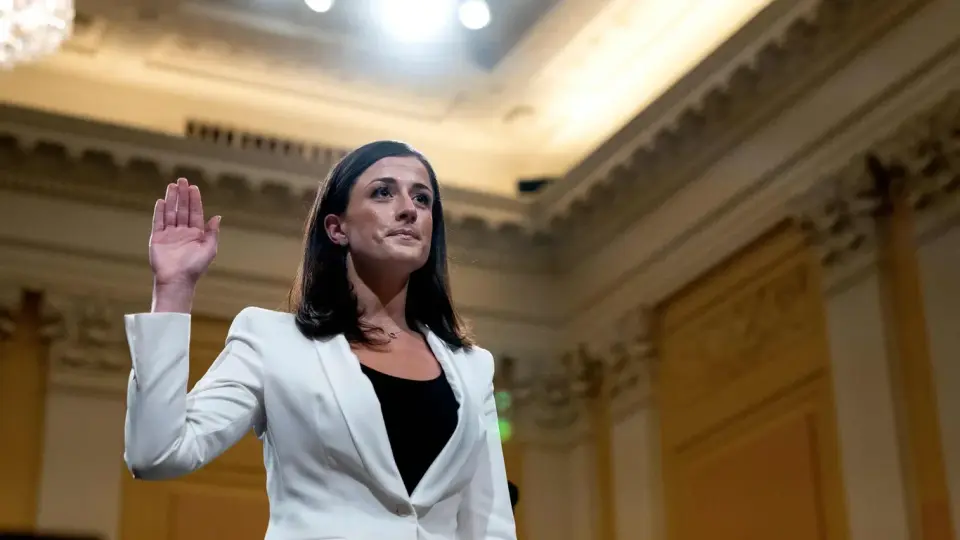
A federal grand jury in Washington refused to indict former White House aide Cassidy Hutchinson, marking a significant setback for the Justice Department’s efforts to prosecute perceived political adversaries. Hutchinson, who provided explosive testimony in 2022 about President Trump’s actions during the January 6 Capitol attack, faced potential charges for lying to Congress. The case was handled by the DOJ’s Civil Rights Division, an unusual move for such investigations, and was referred by Republican lawmakers who disputed her account. The rejection follows a pattern of failed indictments against Trump’s critics, including Democratic lawmakers and former FBI director James Comey.
Key points
- A federal grand jury in Washington declined to indict Cassidy Hutchinson, a former White House aide, over her 2022 testimony regarding President Trump’s actions on January 6, 2021.
- The Justice Department’s Civil Rights Division, led by Harmeet Dhillon, handled the case, bypassing the local U.S. Attorney’s Office, which is typically responsible for such investigations.
- Hutchinson’s 2022 testimony, which drew 13 million viewers, alleged that Trump attempted to grab the steering wheel of his SUV to join supporters marching to the Capitol and knew some were armed.
- Republican lawmakers, including Reps. Jim Jordan and Barry Loudermilk, referred Hutchinson to the DOJ for investigation, alleging her testimony was false.
- The grand jury’s rejection is part of a broader pattern of failed indictments against Trump’s perceived enemies, including six Democratic lawmakers and former FBI director James Comey.
Background
In 2022, Cassidy Hutchinson, then a 25-year-old special assistant to White House Chief of Staff Mark Meadows, provided dramatic testimony to the House Select Committee investigating the January 6 Capitol attack. Her account, which included claims that Trump lunged at a Secret Service agent and knew supporters were armed, was highly publicized but later disputed by Secret Service agents and other witnesses. The DOJ’s recent push to indict her was seen as part of a broader effort to target political adversaries, following similar failed attempts to charge Democratic lawmakers and former FBI director James Comey. Hutchinson’s case was referred by Republican lawmakers who alleged her testimony was false, and the DOJ’s decision to use the Civil Rights Division for the investigation drew scrutiny for bypassing standard local prosecution channels.
How outlets are covering it
The Washington Post and The Guardian both emphasized the grand jury’s rejection as a significant setback for the DOJ’s efforts to prosecute Trump’s political enemies, noting the unusual use of the Civil Rights Division for the case. Axios highlighted the broader pattern of failed indictments, including those against Democratic lawmakers and James Comey, and noted that the DOJ’s Civil Rights Division, led by Trump loyalist Harmeet Dhillon, had struggled to secure indictments. The sources also noted that Hutchinson’s testimony was disputed by Secret Service agents and other witnesses, but the grand jury’s decision suggests that the evidence was insufficient to meet the threshold for indictment. The perspectives collectively underscore the political nature of the case and the DOJ’s challenges in prosecuting perceived adversaries.
Why it matters
The grand jury’s rejection of the indictment against Cassidy Hutchinson marks a significant setback for the Justice Department’s efforts to prosecute perceived political adversaries. It highlights the challenges faced by the DOJ in securing indictments against Trump’s critics and underscores the political nature of the case. The decision also raises questions about the DOJ’s use of the Civil Rights Division for such investigations and the broader implications for the administration’s legal strategy against political opponents.
What to watch
The DOJ is expected to continue its efforts to prosecute perceived adversaries, but the grand jury’s rejection may lead to a reassessment of its legal strategy. Hutchinson’s attorneys have not yet commented on the decision, and it is unclear whether the DOJ will pursue other avenues to hold her accountable. The case may also influence future investigations into other political adversaries, as the DOJ seeks to navigate the challenges of securing indictments in politically charged cases.
- DOJ fails to indict Cassidy Hutchinson, a key Jan. 6 witness Axios
- Grand jury declines to indict Cassidy Hutchinson over Jan. 6 testimony The Washington Post
- Grand Jury Declines to Bring Charges Against Cassidy Hutchinson The New York Times
- Grand jury declines to indict ex-White House staffer who testified about January 6 The Guardian
- Grand jury declines to indict former White House aide Cassidy Hutchinson, source says Reuters
Want the full story? Read the original reporting
Read on Axios