Judge Debra McCaslin denied Alex Murdaugh’s motion to dismiss murder indictments, ruling that investigator errors were not intentional. The decision clears the way for his April 2027 retrial in Sumter County, despite defense claims of misleading grand jury testimony.
A South Carolina judge has refused to dismiss the original murder indictments against Alex Murdaugh for the 2021 killings of his wife and son. Judge Debra McCaslin ruled that while the lead investigator made errors in his grand jury testimony, these were not intentional acts of bad faith. The decision clears the path for a retrial scheduled for April 2027, as the state maintains that other evidence supports the charges.
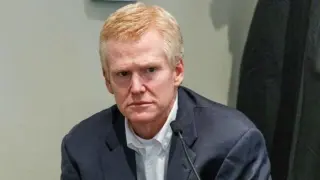
Judge Debra McCaslin denied Alex Murdaugh’s motion to dismiss murder indictments for the 2021 killings of his wife and son. The ruling clears the way for a retrial scheduled for April 5, 2027, in Sumter County. Defense attorneys argued that lead investigator David Owen misled the grand jury regarding blood spatter and firearm evidence, but the judge rejected these claims. Prosecutors noted that even if the original indictments were dismissed, they could seek new ones by December 2026 to maintain the trial timeline. Murdaugh remains in prison for separate financial crimes and has denied killing his family.
Attorneys for Alex Murdaugh asked a South Carolina judge to dismiss the original murder indictments for the 2021 killings of his wife and son, alleging that the lead investigator provided false information to the grand jury. Judge Debra McCaslin deferred her ruling, noting that even if the indictments are dismissed, prosecutors can seek new ones, potentially allowing the April 2027 retrial to proceed without delay.
Attorneys for Alex Murdaugh asked Judge Debra McCaslin to dismiss the original murder indictments for the 2021 killings of his wife and son, alleging that State Law Enforcement Division agent David Owen provided false information to the grand jury. The defense claims Owen falsely stated that blood spatter was found on a T-shirt Murdaugh wore and that specific shotgun ammunition was found loaded in weapons on the property. Prosecutors argue these were mistakes rather than bad faith and that other evidence supports the charges. McCaslin deferred her ruling, but her questioning suggested the retrial scheduled for April 2027 may proceed regardless of the outcome.
A Harris County grand jury has indicted 33-year-old ICE agent Mario Alberto Morales on a charge of aggravated assault with a deadly weapon. The charge stems from an October 10 incident in northwest Houston where Morales allegedly struck construction worker Miguel Parra Hernandez with an SUV during an enforcement operation. While federal officials maintain the victim ran into the vehicle, local prosecutors cite surveillance footage suggesting the strike was intentional. Morales has not surrendered, and it remains unclear if he has legal representation. This marks the first criminal indictment of an ICE agent in Texas under the current administration’s immigration policies.
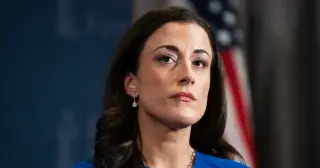
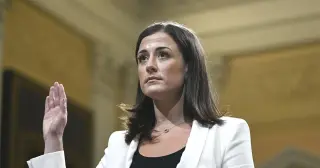
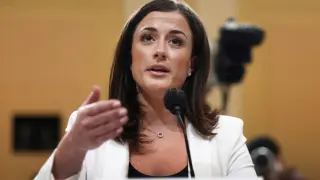
A federal grand jury in Washington refused to indict former White House aide Cassidy Hutchinson, marking a significant setback for the Justice Department’s efforts to prosecute perceived political adversaries. Hutchinson, who provided explosive testimony in 2022 about President Trump’s actions during the January 6 Capitol attack, faced potential charges for lying to Congress. The case was handled by the DOJ’s Civil Rights Division, an unusual move for such investigations, and was referred by Republican lawmakers who disputed her account. The rejection follows a pattern of failed indictments against Trump’s critics, including Democratic lawmakers and former FBI director James Comey.
A federal grand jury in Washington declined to indict former White House aide Cassidy Hutchinson, rejecting the Justice Department’s attempt to charge her with lying about her 2022 testimony regarding President Donald Trump’s actions during the January 6, 2021, Capitol attack. The decision marks a significant setback for the administration’s legal strategy against political critics, following similar grand jury rejections in other high-profile cases.
A federal grand jury in Washington, D.C., declined to indict former White House aide Cassidy Hutchinson regarding her 2022 testimony about President Donald Trump’s actions during the January 6, 2021, Capitol attack. The Justice Department’s Civil Rights Division had sought charges for false statements, but the jury found the evidence insufficient. This marks a significant setback for the administration’s legal strategy against political critics, following similar grand jury rejections in other high-profile cases.
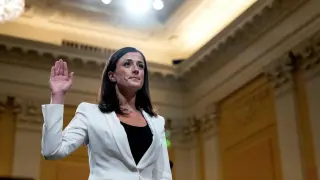
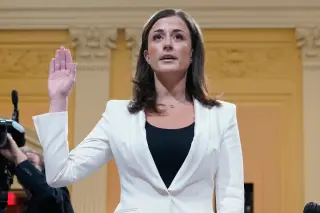
A federal grand jury in Washington declined to indict former White House aide Cassidy Hutchinson, rejecting the Justice Department's attempt to charge her with lying about her 2022 testimony regarding President Trump's actions on January 6, 2021. The decision, known as a 'no bill,' marks a significant setback for the Trump administration's legal strategy against political critics. The case was handled by the DOJ's Civil Rights Division, which has faced scrutiny for pursuing charges against perceived adversaries. Hutchinson, a former aide to Mark Meadows, had given damaging testimony about Trump's behavior during the Capitol attack, including claims that he urged the removal of metal detectors and attempted to force his way to the Capitol. The grand jury's refusal to indict does not bar the DOJ from attempting to charge her again in the future.
A federal grand jury has declined to indict former White House aide Cassidy Hutchinson regarding her 2022 testimony about President Donald Trump’s actions during the January 6, 2021, Capitol attack. The Justice Department’s Civil Rights Division had pursued charges based on allegations that Hutchinson made false statements, but the jury found insufficient evidence to support an indictment. This decision marks a significant setback for the administration’s legal strategy against critics of the January 6 investigation.
A federal grand jury in Washington, D.C., declined to indict former White House aide Cassidy Hutchinson regarding her 2022 congressional testimony about President Donald Trump’s actions during the January 6, 2021, Capitol attack. Senior DOJ lawyer Neville Hadley confirmed the rejection in open court before Magistrate Judge Zia Faruqui. The Department of Justice’s Civil Rights Division had sought charges based on allegations that Hutchinson made false statements. This marks a rare instance of a grand jury refusing to indict after prosecutors present evidence, following a series of similar failures by federal prosecutors in Washington since Trump took office in January 2025.
A federal grand jury has declined to indict former White House aide Cassidy Hutchinson, rejecting the Justice Department’s attempt to charge her with making false statements regarding her 2022 testimony about President Donald Trump’s actions on January 6, 2021. The case, handled by the DOJ’s Civil Rights Division, had been pursued for months after a referral from House Republicans. While prosecutors argued Hutchinson’s accounts of Trump’s behavior were false, the grand jury found insufficient evidence to support an indictment. This outcome marks a significant setback for the administration’s legal strategy against critics of the January 6 investigation.
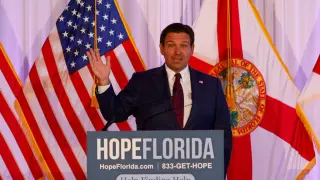
The Republican Party of Florida filed a lawsuit on October 19 to halt a Democratic campaign ad referencing a leaked grand jury report on the Hope Foundation scandal. The suit targets the Florida Democratic Party, gubernatorial nominee David Jolly, and multiple TV stations, arguing that broadcasting the report’s findings violates state law following an October 7 appellate court order expunging the document. Democrats argue the move is an unconstitutional attempt to suppress truth before the November 3 election, while Republicans claim airing the report’s contents is a criminal offense.
The Republican Party of Florida has filed a lawsuit to block a Democratic campaign ad referencing a grand jury report on the Hope Florida scandal, arguing that airing the ad violates a recent court order expunging the report. The suit targets television stations and Democratic candidates, seeking an injunction before the November 3 election. Democrats and legal experts argue the move constitutes unconstitutional prior restraint, while Republicans claim broadcasting the report's contents is a criminal offense under Florida law.