
U.S. Officials Intervene in Swiss Probe to Clear Path for Controversial Venezuelan Oil Deal
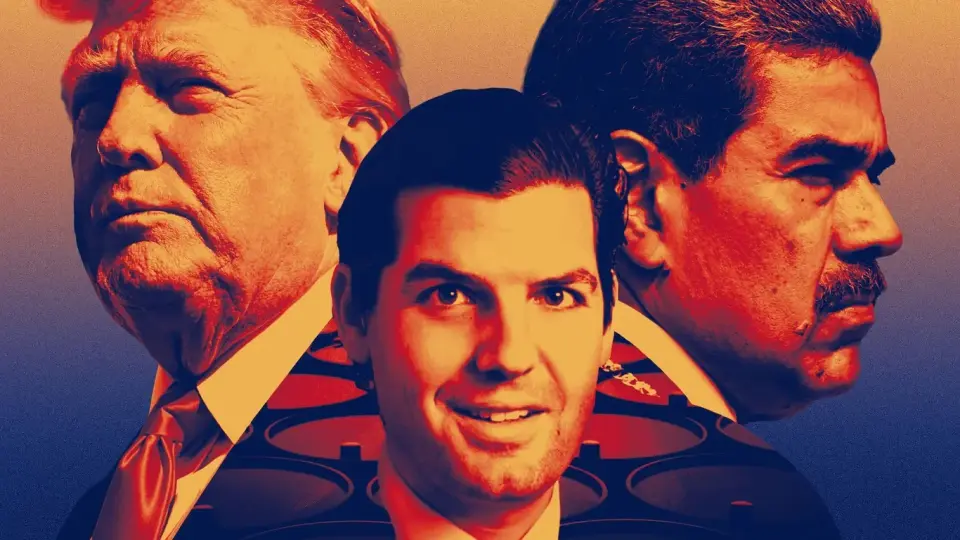
The Trump administration is leveraging its influence to resolve international legal hurdles facing Alejandro Betancourt, the Venezuelan oil tycoon central to a new U.S.-Venezuela energy partnership. While the deal aims to secure access to 17 oil fields and refill U.S. strategic reserves, it has drawn criticism over Betancourt's unresolved money-laundering investigations and the unprecedented role of the Pentagon in private sector energy deals.
Key points
- Alejandro Betancourt, 46, is the founder of North American Blue Energy Partners, the private entity entering an unprecedented partnership with the U.S. Pentagon to access 17 Venezuelan oil fields.
- The deal, brokered by the Pentagon's Office of Strategic Capital, grants the U.S. a 35% equity stake and 20% of after-tax oil at production cost, while Venezuela receives 16% to 40% of production plus income taxes.
- Senior U.S. officials, including then-Attorney General Pam Bondi and Deputy Secretary of State Christopher Landau, lobbied Swiss authorities in early 2026 to halt extradition proceedings and resolve a decade-old money-laundering investigation against Betancourt.
- Betancourt was barred from leaving the U.K. for months due to Swiss extradition requests but was granted a multi-entry U.S. visa in June 2026, allowing him to finalize the deal with acting Venezuelan President Delcy Rodriguez.
- The agreement was reached by mid-August 2026, with Betancourt playing a crucial role in persuading Rodriguez to cooperate with U.S. Secretary of State Marco Rubio following the January 3 military seizure of former President Nicolas Maduro.
Background
This development follows the August 2026 announcement of a 25-year U.S.-Venezuela oil pact, which critics warned could enrich private brokers and raise sovereignty concerns. The deal aims to refill the U.S. Strategic Petroleum Reserve, which has been depleted amid global disruptions, by targeting a production goal of 1.5 million barrels per day from Venezuelan reserves.
How outlets are covering it
Axios emphasizes Betancourt's pivotal role in the post-Maduro transition, noting that U.S. officials credit him with persuading Rodriguez to accept U.S. leadership. The New York Times highlights the structural shift, noting that the Pentagon's Office of Strategic Capital, originally created under the Biden administration for defense industrial loans, is now leading a commercial oil venture. The Washington Post focuses on the legal controversy, detailing how U.S. officials actively lobbied Swiss prosecutors to drop a 2016 money-laundering case to ensure Betancourt's travel freedom. While U.S. officials describe Betancourt as an 'important ally' and a 'turnaround artist,' energy experts and some Venezuelans criticize the deal as kleptocratic and potentially unworkable, with Betancourt's attorney arguing he has been unfairly maligned despite never being charged.
Why it matters
The deal represents a significant shift in U.S. foreign policy, blending military and economic interests in a way that bypasses traditional diplomatic channels. It raises questions about the rule of law, as the U.S. government appears to have prioritized energy security over international legal proceedings against a key partner. Furthermore, the involvement of the Pentagon in a private oil deal challenges the traditional separation between defense and commercial energy sectors, potentially setting a precedent for future U.S. engagements in resource-rich nations.
What to watch
The U.S. and Venezuela are expected to formalize the handshake agreement into a binding contract, with Betancourt's company ramping up production from 18,000 to nearly 200,000 barrels per day. The resolution of the Swiss investigation remains uncertain, as Swiss prosecutors have indicated the case is still active despite the U.S. intervention. The long-term impact on U.S. gas prices and strategic reserves will depend on the speed of development in the 17 oil fields, which analysts suggest may take years to yield significant output.
- The secret history of Trump's Venezuelan oil baron Axios
- How the Pentagon Is Getting Into the Venezuelan Oil Business Under Trump The New York Times
- China demands rights guarantee as US firm secures 100-year Venezuelan oil deal South China Morning Post
- Trump's oil deal with Venezuela raises red flags for some major producers, sources say Reuters
- A Venezuelan oilman faced a Swiss arrest warrant. The U.S. had other plans for him. The Washington Post
Want the full story? Read the original reporting
Read on Axios