
Biden’s 2017 Ghostwriter Tapes Reveal Classified Notes and Memory Lapses
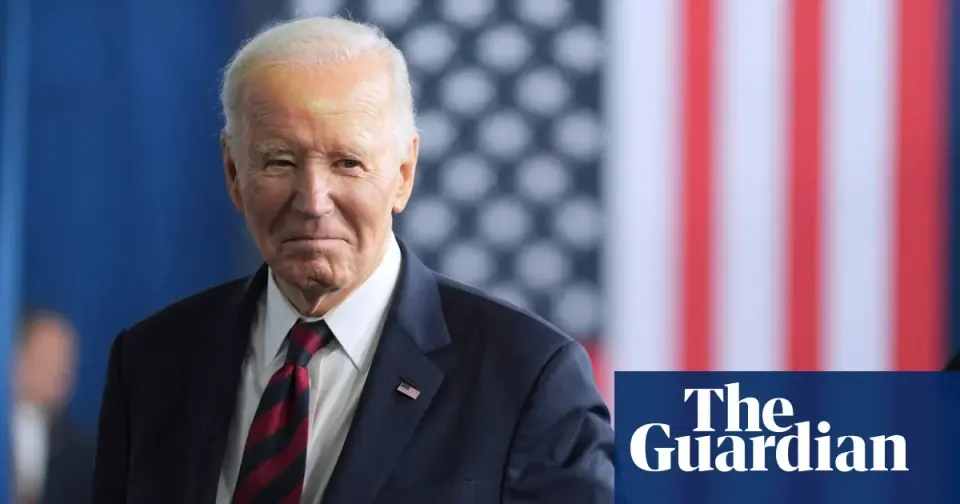
Audio recordings from 2016-2017 show Joe Biden discussing classified materials with his ghostwriter, confirming findings from a 2024 special counsel report that he retained sensitive documents after his vice presidency. While Biden’s team calls the release a political weaponization of the DOJ, critics argue the tapes evidence significant cognitive decline prior to his 2024 presidential run.
Key points
- The Oversight Project released redacted audio transcripts and recordings from 2016 and 2017, featuring conversations between Joe Biden and ghostwriter Mark Zwonitzer during the drafting of the memoir 'Promise Me, Dad'.
- In the recordings, Biden acknowledges possessing classified notes and documents after leaving office as vice president, stating, 'I just found all the classified stuff downstairs,' and referencing materials related to foreign policy and military operations.
- The tapes align with former special counsel Robert Hur’s 2024 report, which concluded Biden 'willfully' retained classified information but recommended no criminal charges due to his age and memory issues.
- Biden’s spokesperson TJ Ducklo condemned the release as 'political retribution' by the current administration, asserting the conversations were private and provided to the DOJ under strict confidentiality conditions.
- Conservative outlets and the Oversight Project highlight Biden’s apparent memory struggles in the audio as evidence of cognitive decline years before his 2024 presidential campaign, contrasting with his earlier criticism of Donald Trump’s handling of classified documents.
Background
This release follows a protracted legal battle involving the Heritage Foundation and House Republicans seeking the tapes, which Biden had fought to keep private. Previous coverage noted that federal judges eventually allowed the release under FOIA, rejecting Biden’s privacy claims. The 2024 special counsel report had already cited these interviews, describing Biden as having 'diminished faculties,' which sparked political debate over the decision not to prosecute him for retaining classified materials.
How outlets are covering it
The Guardian and BBC focus on the factual content of the recordings and the legal dispute, noting Biden’s team’s accusation of DOJ weaponization. KATU emphasizes the cognitive implications, linking the 2017 memory lapses to the scrutiny Biden faced during his 2024 reelection bid. Conservative outlets, including the Oversight Project, frame the tapes as proof of long-standing cognitive decline, while Biden’s supporters view the release as a partisan attack on a private conversation about his late son. All sources agree the tapes corroborate Hur’s findings on retained classified materials but differ on the interpretation of Biden’s mental state and the political motives behind the release.
Why it matters
The release of these tapes reignites debate over the standards for handling classified information by former officials and the role of cognitive health in political leadership. It challenges the narrative that Biden’s memory issues emerged only during his presidency, potentially impacting historical assessments of his vice presidency and the DOJ’s 2024 decision not to prosecute. The controversy also highlights ongoing tensions between transparency advocates and those who view such releases as politically motivated retribution.
What to watch
Expect further political analysis and potential legal challenges regarding the scope of the released materials. Biden’s team may pursue additional legal remedies or public statements to counter the narrative of cognitive decline. The tapes could influence future discussions on classified document handling policies and the criteria for prosecuting former officials, particularly as the DOJ continues to navigate politically sensitive cases under the current administration.
- Joe Biden appears to discuss sensitive information on tape with ghostwriter The Guardian
- 'I just found all the classified stuff downstairs,' Biden tells ghostwriter in recording BBC
- Biden audio released, raising questions about cognitive abilities and classified documents KATU
- Biden Acknowledges Keeping Classified Materials in Newly Released Tapes The New York Times
- Biden Recordings Show Memory Lapses, Candid Obama Criticism Bloomberg.com
Want the full story? Read the original reporting
Read on The Guardian