
Brazil’s Presidential Runoff Set After Bolsonaro’s Surprise Lead Over Lula
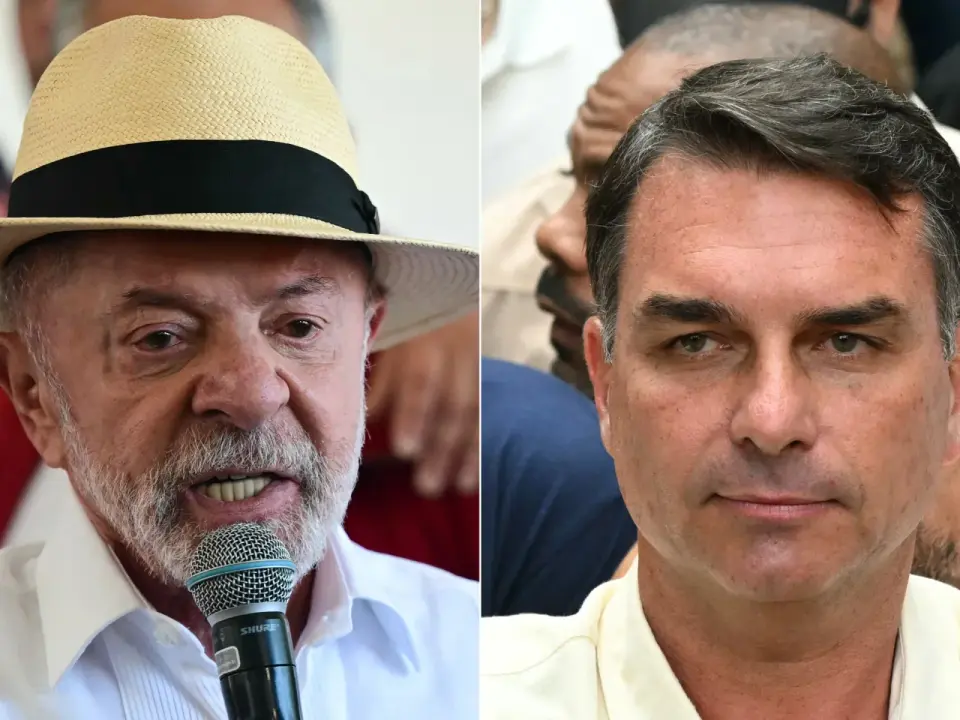
Brazil’s presidential race will proceed to a second round on October 25 after neither candidate secured a majority in the first round. Senator Flavio Bolsonaro led incumbent President Luiz Inacio Lula da Silva with approximately 47% of the vote, defying pre-election polls that favored Lula. The outcome reflects deep polarization, economic anxiety, and intense US-Brazil tensions, with right-wing parties also gaining significant ground in congressional races.
Key points
- Flavio Bolsonaro received about 47% of valid votes, while Lula received 44.9%, according to Brazil’s electoral court.
- Neither candidate reached the 50% threshold required to win outright, triggering a runoff on October 25.
- Bolsonaro’s lead contradicted recent polls that had Lula ahead, raising questions about 'protest voting' dynamics.
- Right-wing parties, led by Bolsonaro’s Liberal Party, won major seats in the Chamber of Deputies and Senate.
- The election occurred amid US-Brazil tensions over tariffs and accusations of US interference in Brazil’s democratic process.
Background
This election follows Brazil’s 2022 race, where Lula narrowly defeated Jair Bolsonaro. The current campaign is marked by voter fatigue, corruption scandals involving the Banco Master collapse, and a broader rightward shift in Latin America. Previous coverage noted tightening polls and a focus on women’s issues and economic affordability in the final weeks before the vote.
How outlets are covering it
Al Jazeera emphasizes the surprise nature of Bolsonaro’s lead and the strength of the right-wing movement in Congress, noting that 'bolsonarista' support remains robust despite Jair Bolsonaro’s imprisonment. CNN highlights the role of US interference, detailing Trump’s tariffs and diplomatic pressure as factors that may have backfired to help Lula’s sovereignty narrative, while also noting crime and affordability as key voter concerns. Time Magazine focuses on the accusations of US meddling, citing letters from Democratic lawmakers and the appointment of controversial advisors, contrasting with the White House’s denial of interference. All sources agree on the tight margin and the significance of the runoff for regional politics.
Why it matters
The outcome will determine Brazil’s foreign policy alignment, particularly regarding US relations and multilateralism. A Lula victory could maintain Brazil’s multipolar stance, while a Bolsonaro win might align Brazil with US-led security initiatives. The result also influences the trajectory of Latin America’s political shift, with right-wing candidates winning recent elections in Colombia and Peru. Domestic policy, including crime response and economic management, will be shaped by the winner’s agenda and the composition of Congress.
What to watch
The second round is scheduled for October 25. Both candidates will campaign for three weeks to win over moderate voters who supported other candidates in the first round. Analysts suggest Bolsonaro’s early lead may limit his growth potential, while Lula aims to rally support through a 'rally round the flag' strategy regarding US tensions. The outcome will also determine the balance of power in Congress, where right-wing parties have gained significant seats.
- Brazil’s presidential race: Three key takeaways from the first round Al Jazeera
- Brazil elections: Trump, crime and corruption loom over presidential vote CNN
- Why the Trump Administration Is Being Accused of Interfering in Brazil's Election Time Magazine
- World in Brief: Bolsonaro and Lula go to run-off in Brazil; America pulls bombers from Fairford economist.com
- Flávio Bolsonaro Surges Past Lula, Setting Up a Bitter Brazil Election Runoff WSJ
Want the full story? Read the original reporting
Read on Al Jazeera