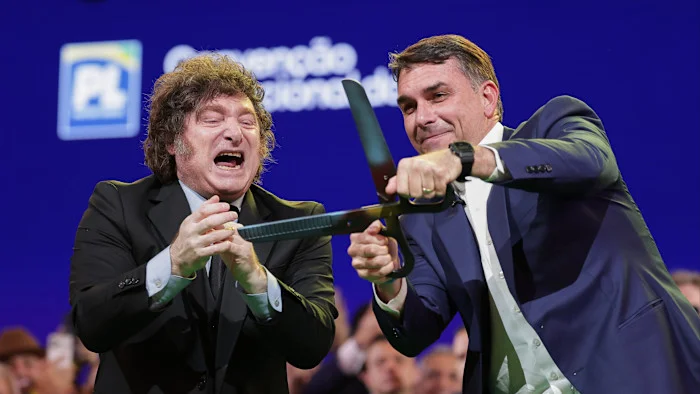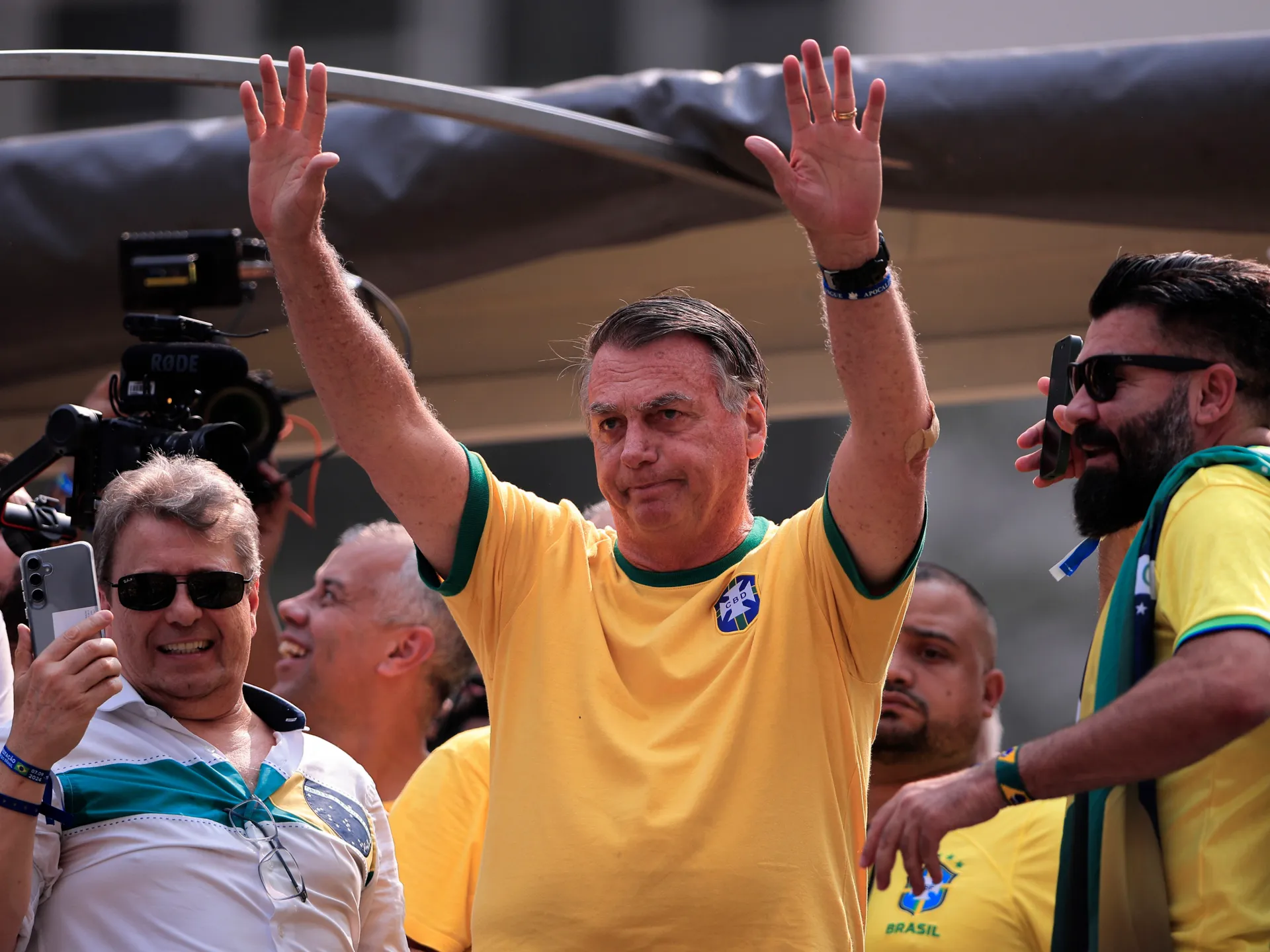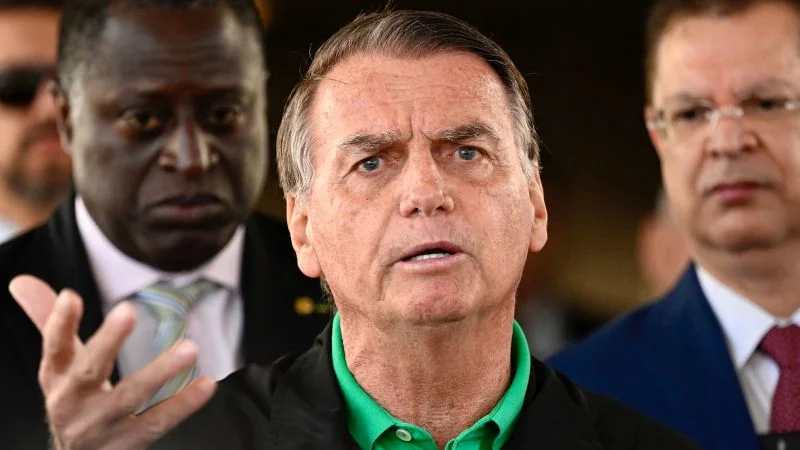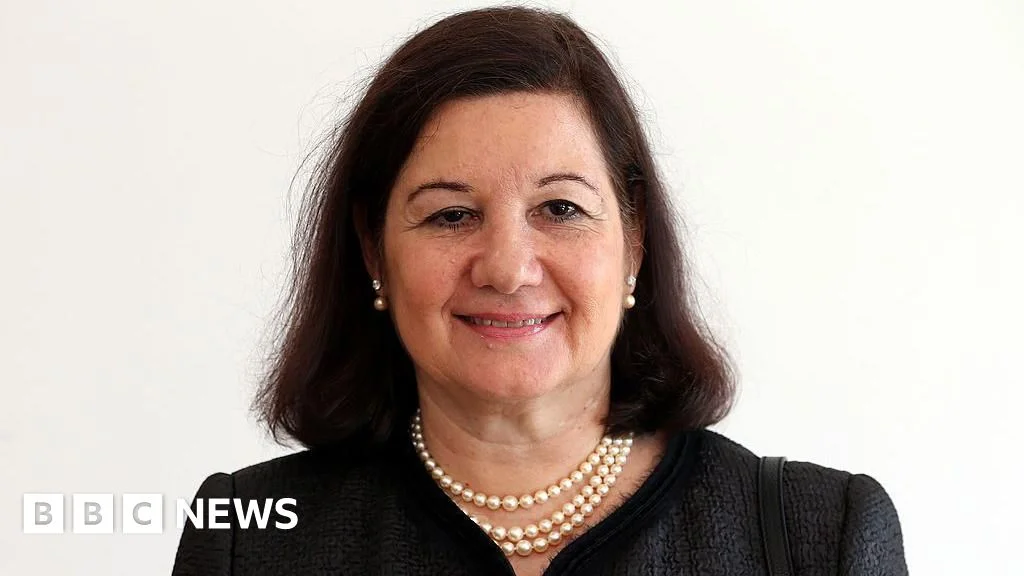
Brazil has denied visas to two senior US State Department officials over fears they planned to undermine Brazil’s electronic voting system ahead of October elections, a move that escalates tensions with Washington and comes amid allegations of coordination with Jair Bolsonaro’s sons to cast doubt on Brazil’s voting integrity.
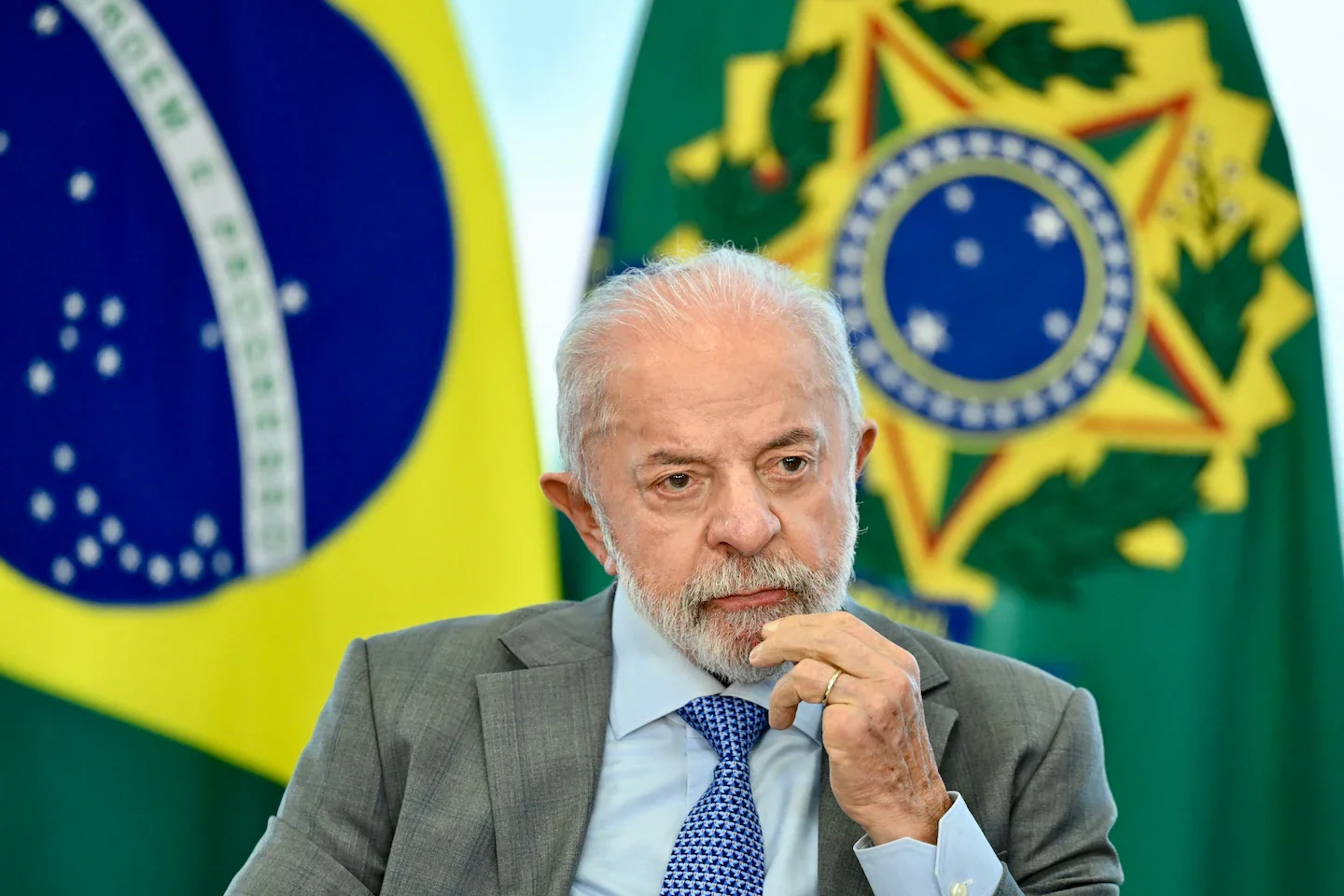
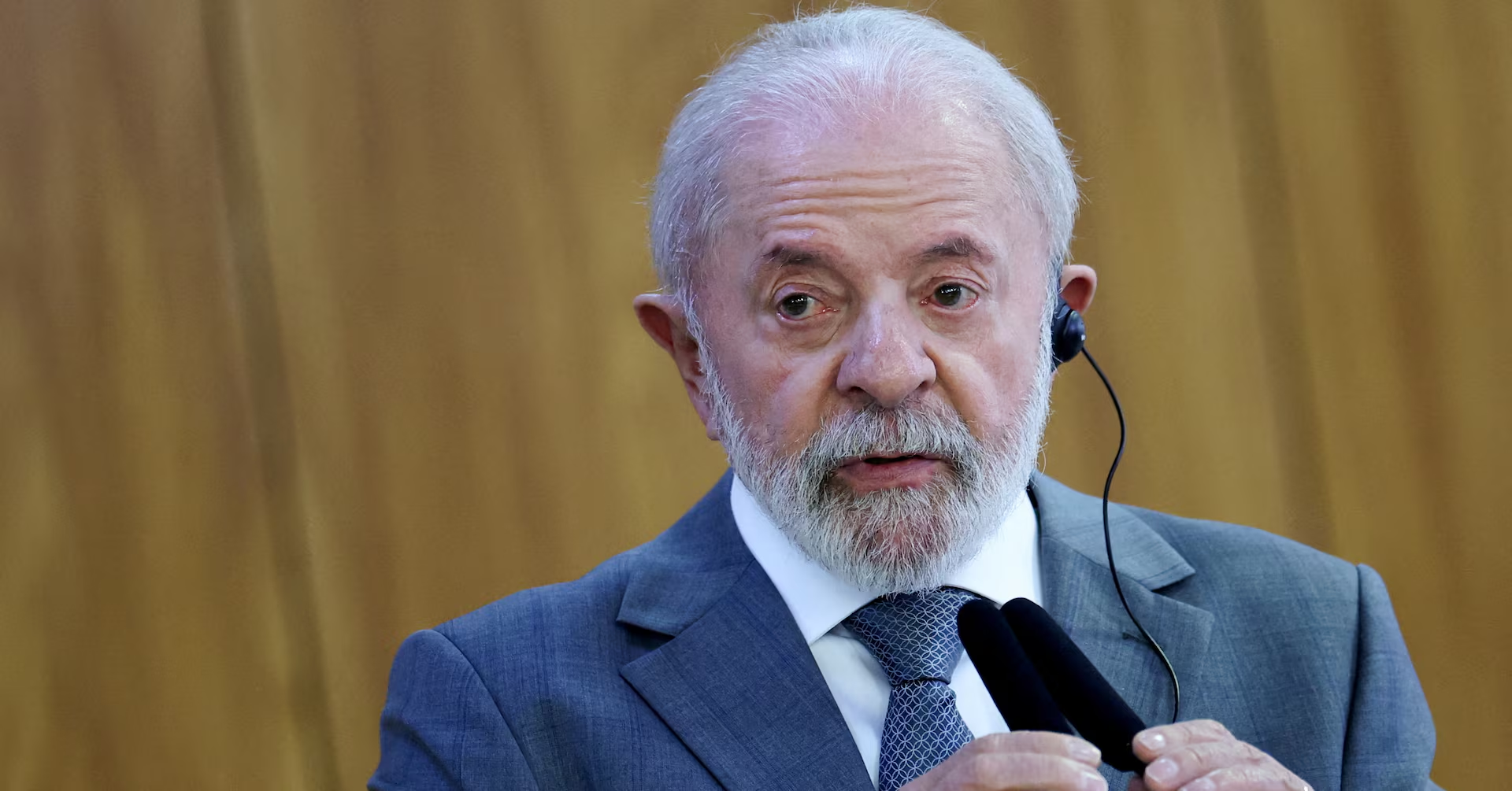
Brazil’s Lula da Silva says in a Washington Post interview that personal diplomacy with Trump—sometimes using humor—could yield policy wins for Brazil (lower tariffs, more investment) while he presents himself as a pragmatic, multilateral leader. He aims to secure respect for Brazilian democracy, blunt false narratives about Brazil, and position Brasília as a cooperative partner, even as he campaigns for a fourth term against Flávio Bolsonaro.
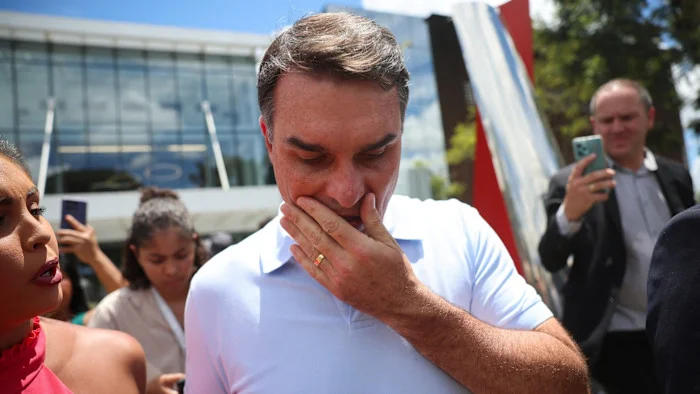
Brazil revoked the visa of Darren Beattie, a Trump adviser slated to visit jailed former president Jair Bolsonaro, citing omissions in his visa application and concerns the trip could constitute undue interference in domestic affairs ahead of elections; Beattie was also set to meet Bolsonaro’s son Flávio as Lula da Silva seeks to maintain momentum in the presidential race, signaling strained US–Brazil relations.
President Trump and Brazilian President Lula had a 30-minute videoconference, signaling efforts to improve US-Brazil relations after tensions related to Bolsonaro's trial and previous tariffs. The call was described as positive, with discussions about future meetings and cooperation, amid a backdrop of complex diplomatic interactions and political differences.
Brazil is on edge due to mixed signals from the U.S. regarding potential sanctions and responses to Bolsonaro's conviction, with Brazilian officials uncertain about Trump's stance amid ongoing tensions and upcoming elections, while Lula seeks to navigate the complex diplomatic landscape.
Brazil’s supreme court has ordered the house arrest of former president Jair Bolsonaro for breaching a social media ban, amid ongoing legal proceedings related to alleged coup plot plans, increasing tensions between Brazil and the US, with the US condemning the court's actions and imposing sanctions.
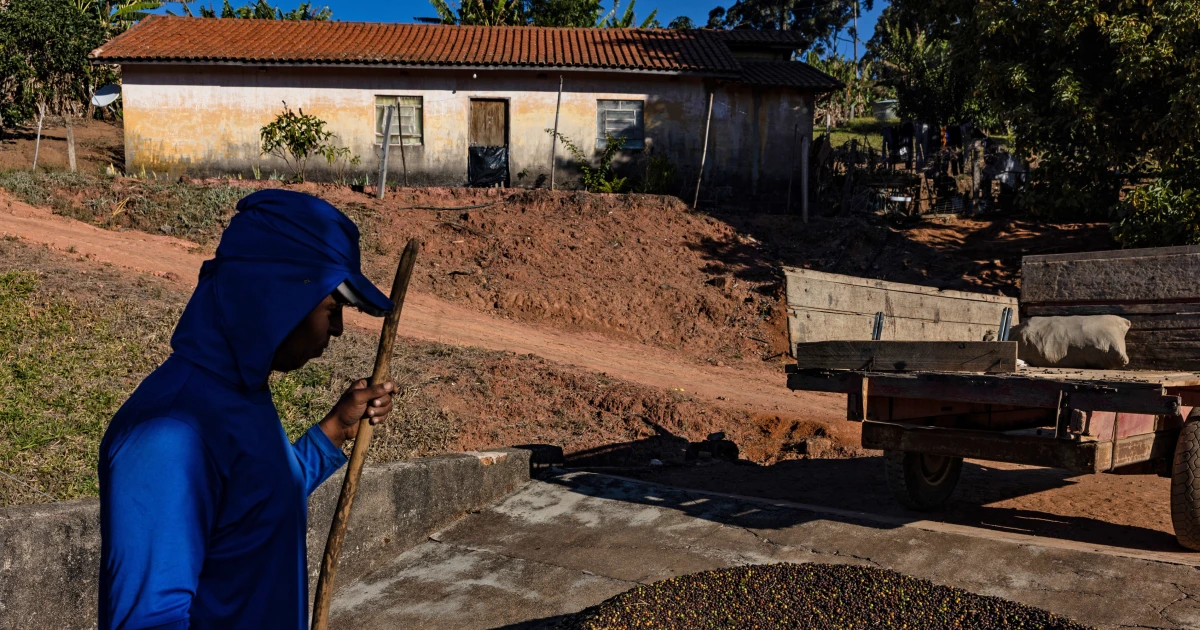
The US imposed a 50% tariff on Brazilian products, including coffee, citing political reasons related to former President Bolsonaro and Brazil's Supreme Court actions, amidst ongoing diplomatic tensions and legal challenges.
In 2025, the US significantly intervened in Brazil's political and trade affairs, including proposing tariffs on Brazilian exports, investigating trade practices, and revoking visas of Brazilian officials connected to former President Bolsonaro's prosecution, marking a rare deep interference since the Cold War.
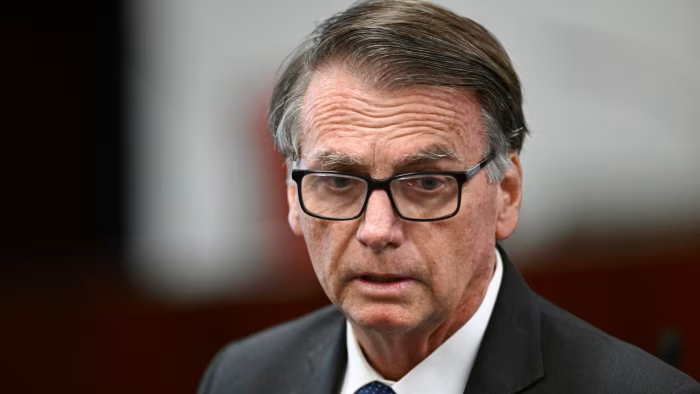
Brazilian authorities raided former President Jair Bolsonaro's home and headquarters, ordering him to wear an ankle monitor amid concerns he might flee the country, as he faces legal charges related to efforts to overturn the election and alleged collusion with the US to impose sanctions. The situation has been further complicated by threats of tariffs from Trump and Bolsonaro's social media activity, with Bolsonaro denying plans to flee and his lawyers expressing surprise at the measures.
Brazilian police raided the home of ex-President Jair Bolsonaro, seized cash, and imposed restrictions including electronic monitoring and travel bans, amid concerns he might flee to the US. Bolsonaro is under trial for allegedly plotting to overturn the 2022 election, and the raid coincides with tensions involving US President Trump, who has threatened Brazil with tariffs over Bolsonaro's legal issues. Lula, Brazil's current president, defended the independence of the judiciary and dismissed Trump's interference.
Brazil's President Lula da Silva rejects foreign influence over tariffs, calling the US threat of a 50% tariff on Brazilian imports 'blackmail' and emphasizing Brazil's sovereignty, while also considering regulation of US tech firms and open to talks with Trump.
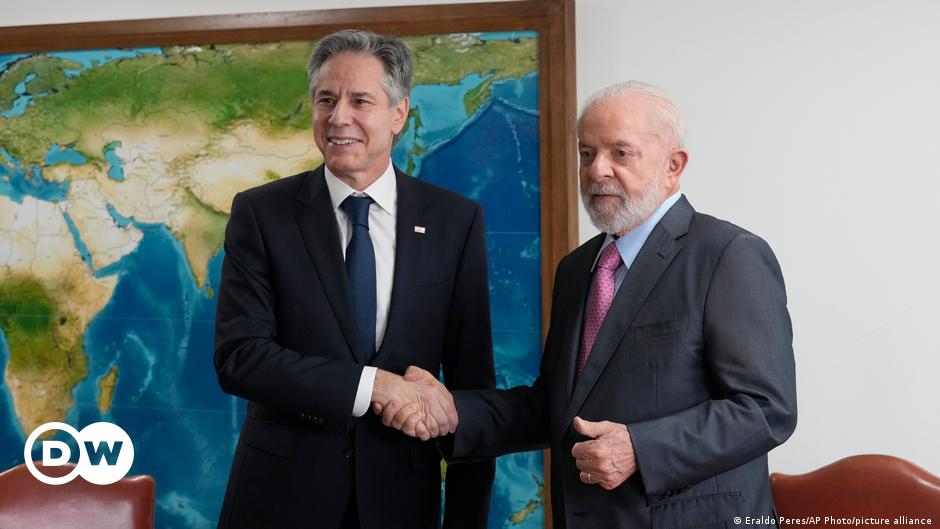
US Secretary of State Antony Blinken had a "frank exchange" with Brazilian President Lula after Lula's controversial remarks about the Israel-Hamas conflict, leading to Israel declaring Lula persona non grata. Meanwhile, UK and Jordan have sent aid to a hospital in northern Gaza, and China, Russia, and Saudi Arabia condemned the US veto on a UN Security Council resolution calling for a Gaza cease-fire. The G20 foreign ministers' meeting in Brazil is expected to address the conflicts in Gaza and Ukraine, with Brazilian President Lula criticizing the UN's handling of the Israel-Palestine conflict. Additionally, Doctors Without Borders reported two deaths in an Israeli strike on a staff shelter in Gaza, and Syria claimed two deaths in an Israeli rocket strike in Damascus.