
California High Court Orders Sheriff to Return 650,000 Ballots, Affirming Election Officials' Custody
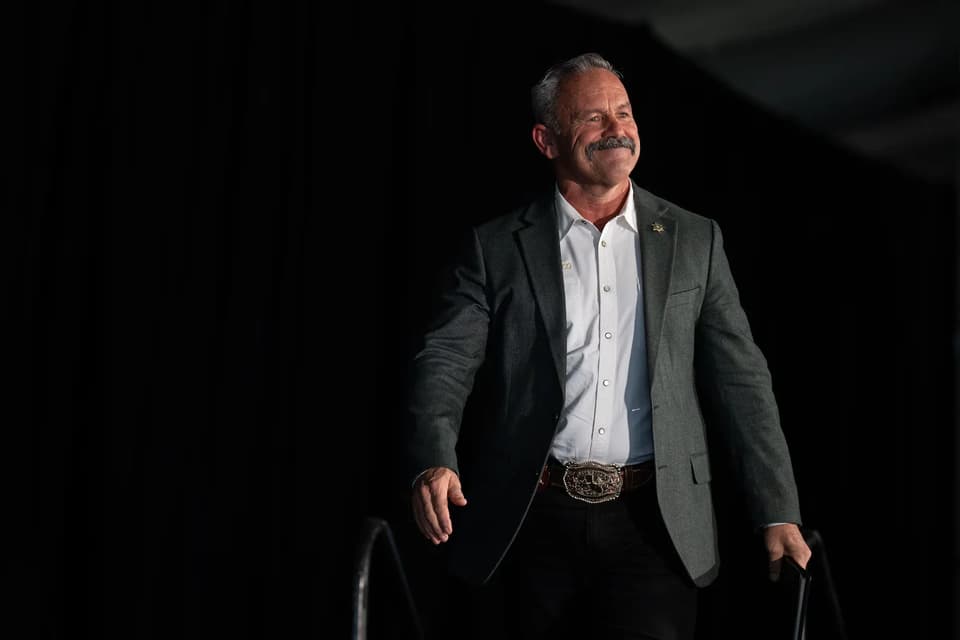
The California Supreme Court unanimously ruled that Riverside County Sheriff Chad Bianco must return over 650,000 ballots he seized from the November 2025 Proposition 50 special election. The court determined that law enforcement lacks the authority to remove or count ballots outside of official election procedures, even during a criminal investigation. The ruling also affirmed that the state attorney general has the power to direct local sheriffs to pause investigations that conflict with state election laws. Governor Gavin Newsom welcomed the decision, citing new legislation signed this month to prevent similar future seizures.
Key points
- The California Supreme Court issued two unanimous rulings requiring Sheriff Chad Bianco to return more than 650,000 ballots seized from the November 2025 Proposition 50 redistricting election.
- Chief Justice Patricia Guerrero ruled that the seizure was unlawful because California law requires voted ballots to remain in the continuous custody of election officials, prohibiting secret handling by law enforcement.
- The court affirmed that Attorney General Rob Bonta has the constitutional authority to issue binding directions to county sheriffs, rejecting Bianco’s argument that the state’s chief law enforcement officer could only advise local officials.
- Bianco had seized approximately 1,000 boxes of ballots in February 2026 based on a citizen group’s claim of vote discrepancies, which local election officials said was unfounded.
- Governor Gavin Newsom praised the rulings and signed a package of new election protection laws this month to prevent future ballot seizures and establish felony penalties for interference.
Background
The dispute began in February 2026 when Bianco, then a gubernatorial candidate, seized ballots from the November 2025 Proposition 50 special election, which had passed by a wide margin in Riverside County. Local election officials and the state attorney general challenged the seizure, arguing it was a political stunt rather than a legitimate criminal investigation. The case reached the California Supreme Court in August 2026, with oral arguments held just 31 days before the decision. The rulings come amid heightened national concerns over election integrity and potential interference by local officials in the upcoming November 2026 midterm elections.
How outlets are covering it
The Washington Post and The Sacramento Bee emphasized the court’s rejection of Bianco’s claim that he was conducting a legitimate criminal investigation, framing the seizure as an unlawful overreach by a local official. The Guardian highlighted the broader implications for election integrity, noting that the ruling forecloses the argument that labeling an action a 'criminal investigation' allows sheriffs to bypass state election laws. Democracy Docket focused on the precedent set for future elections, stressing that the rulings strengthen the hand of state officials in preventing rogue law enforcement from disrupting midterms. All sources agreed that the court’s decision was a decisive victory for election officials and voters, with Attorney General Rob Bonta stating that the rulings provide a 'stronger, clearer position' to confront similar threats in the future.
Why it matters
The rulings establish clear legal boundaries for the custody and handling of ballots in California, preventing local law enforcement from using criminal investigations to bypass election laws. This is particularly significant as the November 2026 midterm elections approach, with officials bracing for potential attempts to interfere with ballot custody. The decision also affirms the authority of the state attorney general to oversee local sheriffs, reinforcing the rule of law in election administration. New legislation signed by Governor Newsom adds further protections, ensuring that future attempts to seize ballots are met with legal consequences and state intervention.
What to watch
Bianco is required to immediately return the ballots to the Riverside County Registrar of Voters and preserve all other records related to the case. He must also provide Attorney General Rob Bonta with the investigative materials requested after the seizure. The state will continue to monitor for any future attempts to interfere with elections, with the new laws providing mechanisms for rapid response. Other states may look to California’s rulings as a model for protecting election integrity and curbing the power of local law enforcement in election-related matters.
- California Supreme Court rules sheriff must return seized ballots The Washington Post
- Republican Sheriff Illegally Seized California Ballots, Court Rules The New York Times
- CA sheriff’s seizure of 650,000 ballots was illegal, state Supreme Court rules Sacramento Bee
- California sheriff ordered to return ballots he confiscated in voter ‘fraud’ inquiry The Guardian
- ‘You won’t be seeing sheriffs unlawfully seizing ballots’: California rulings shut down roadmap for rogue law enforcement to upend midterms Democracy Docket
Want the full story? Read the original reporting
Read on The Washington Post