
Hurricane Polo Swells Threaten Southern California Coast Amid Record High Tides
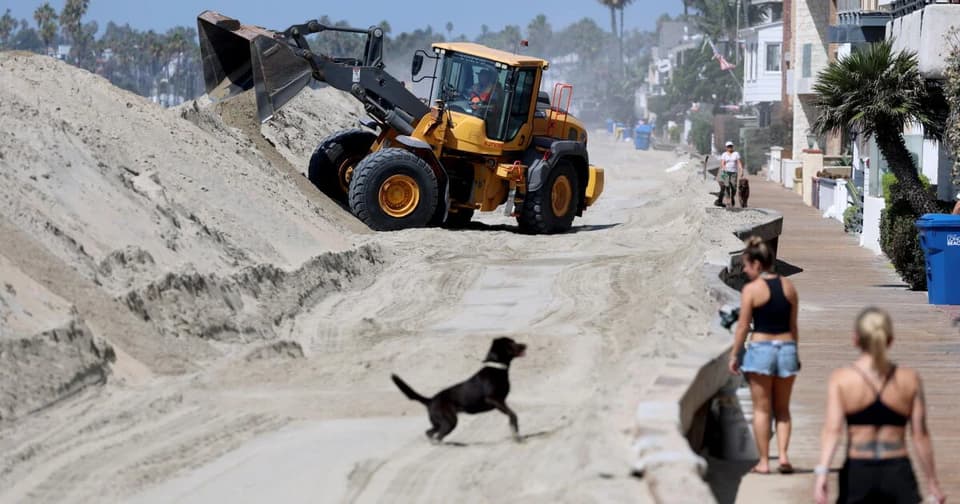
Hurricane Polo and Tropical Storm Odalys are not expected to make landfall in California, but their generated swells are forecast to reach Southern California beaches between Sunday and Tuesday. These waves coincide with bimonthly astronomical high tides, creating a high risk of coastal flooding and severe erosion. Meteorologists warn that while the direct impact may be limited, the combination of elevated water levels and increased humidity could exacerbate damage to infrastructure already weakened by earlier storms.
Key points
- Hurricane Polo is located off southwestern Mexico, while Odalys is over 1,200 miles off the southern tip of Baja California.
- Forecasters expect noticeable effects in Southern California starting Sunday, with peak impacts likely on Monday and Tuesday.
- High tides are expected to reach 6 feet 6 inches on Monday and 6 feet 9 inches on Tuesday in parts of San Diego County.
- Humidity levels are projected to rise by 10% to 15%, though cooler temperatures and increased cloud cover may mitigate discomfort.
- There is a less than 10% chance of showers if the hurricanes move closer to the coast.
Background
This event follows a series of destructive Pacific storms earlier in 2026. Hurricane Marie caused significant damage in September, including a sinkhole at a Malibu residence and the evacuation of 31 homes. Cities such as Long Beach, Laguna Beach, Dana Point, and Carlsbad declared local emergencies due to erosion and sand loss. Governor Gavin Newsom recently declared a statewide emergency in anticipation of El Niño-charged storms, as ocean temperatures remain elevated due to global warming and melting polar ice caps.
How outlets are covering it
The Los Angeles Times emphasizes the uncertainty regarding the severity of the surf and coastal flooding, noting that the swells may not track at an angle that would significantly impact all beaches. In contrast, the San Diego Union-Tribune highlights specific risks in North County, where the combination of large swells and high tides could cause flooding in areas already suffering from erosion. The Union-Tribune also notes potential disruptions to commuter rail service near San Clemente, a recurring issue during previous storm events. Both outlets agree that the timing of the swells with high tides is the primary concern for coastal infrastructure.
Why it matters
The potential for coastal flooding and erosion poses a direct threat to residential areas, public infrastructure, and transportation networks in Southern California. The combination of hurricane-generated swells and high tides could exacerbate damage from previous storms, leading to further economic costs and safety risks. Additionally, the increased humidity and potential for showers could impact daily life and emergency preparedness efforts in the region.
What to watch
Authorities in Long Beach, Newport Beach, Dana Point, and Carlsbad are continuing to reinforce coastal defenses, including berms and revetments. Long Beach is testing heavy-duty sandbags to reinforce its seawall, while Newport Beach is offering free sandbags to residents and expediting sand relocation. Oceanside and Carlsbad are reviewing flood-response procedures and clearing storm drains. The public is advised to stay away from beaches from Sunday through Tuesday due to the risk of dangerous surf and flooding.
- Hurricane Polo is coming. Here’s what it means for Southern California latimes.com
- Heavy rains hit Mexico as Hurricane Polo tracks offshore, expected to make landfall on Sunday night Reuters
- Powerful Hurricane Polo drenches Mexico’s coast as Nolo takes aim at Hawaii AP News
- Weather Alert: Hurricane Polo Update – Baja Peninsula and Sonora in Storm’s Path U.S. Embassy & Consulates in Mexico (.gov)
- Forecasters say it’s possible Hurricane Polo could cause coastal flooding in San Diego County San Diego Union-Tribune
Want the full story? Read the original reporting
Read on latimes.com