
Senate blocks Iran war powers resolution 50-49 as gas prices spike
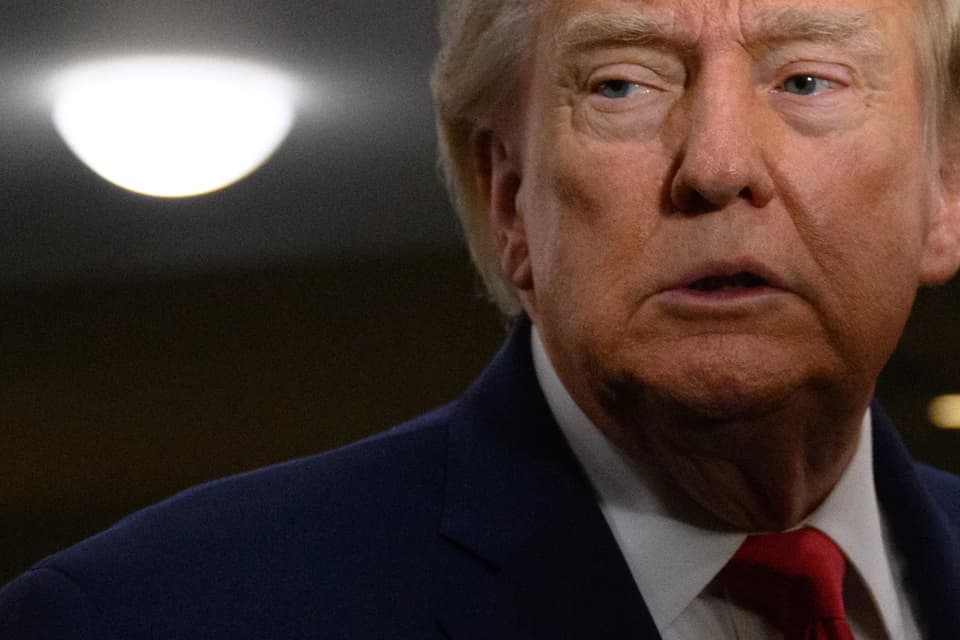
The Senate rejected a concurrent resolution to force President Trump to end U.S. military strikes on Iran, failing 50-49. Four Republicans joined Democrats in support, while one Democrat opposed. The vote is symbolic, as the administration argues such resolutions lack legal force. Rising gas prices and midterm election concerns are driving growing Republican dissent over the conflict.
Key points
- The Senate voted 49-50 to reject a War Powers Resolution demanding the end of U.S. strikes on Iran.
- Four Republicans (Paul, Collins, Murkowski, Tillis) supported the measure; one Democrat (Fetterman) opposed it.
- The resolution is a concurrent resolution, meaning it does not carry the force of law and is not signed by the president.
- The White House previously ignored a similar resolution passed in June, citing constitutional arguments.
- Gas prices have reached $4.48 per gallon, increasing economic pressure on Republicans ahead of midterm elections.
Background
This vote follows a series of U.S. strikes on Iran in late September 2026, which escalated after earlier clashes in the Strait of Hormuz. Previous coverage noted rising casualties, oil price surges, and public disapproval of the conflict. A similar War Powers Resolution passed the House in July and was ignored by the administration in June, which argued the measure lacked legal binding.
How outlets are covering it
The Washington Post emphasizes the narrow vote and the defiance of four Republican senators, framing the event within the context of midterm election pressures. CNBC highlights the economic impact, noting that gas prices have spiked to $4.48 per gallon, which is driving Republican candidates to distance themselves from the war. Both outlets agree that the resolution is largely symbolic, but CNBC notes that Democratic leaders argue the Constitution requires congressional approval for war, regardless of presidential signature. The Post notes that one Democrat, John Fetterman, voted against the measure, while CNBC points out that Sen. Angela Alsobrooks was absent due to a family matter, though her vote would not have changed the outcome.
Why it matters
The failure of the resolution signals that the executive branch retains broad authority to continue military operations without immediate congressional consent. However, the growing Republican dissent and rising fuel costs suggest that the conflict may face increasing political resistance as the midterm elections approach. The symbolic nature of the vote underscores the ongoing legal and political debate over the balance of power between the executive and legislative branches in wartime.
What to watch
Lawmakers are set to begin campaign activities in October, where they will likely address voter concerns about gas prices and the war's economic impact. The administration is expected to continue its stance that the War Powers Act is unconstitutional, potentially leading to further legislative challenges or public backlash if the conflict persists.
- Senate rejects measure to block Trump from ordering more strikes on Iran The Washington Post
- Senate narrowly votes down resolution calling for end to Iran war CNBC
- GOP breaks ranks on Iran as voters fume over war’s costs The Hill
- 4 GOP senators rebel against Trump on Iran war, vote with Dems to rein in authority Fox News
- In one of their last votes before November, Senate GOP blocks effort to end Iran war NPR
Want the full story? Read the original reporting
Read on The Washington Post