
Declassified Files Reveal Spain Knew of Ceuta Migrant Surge Days Before Crisis
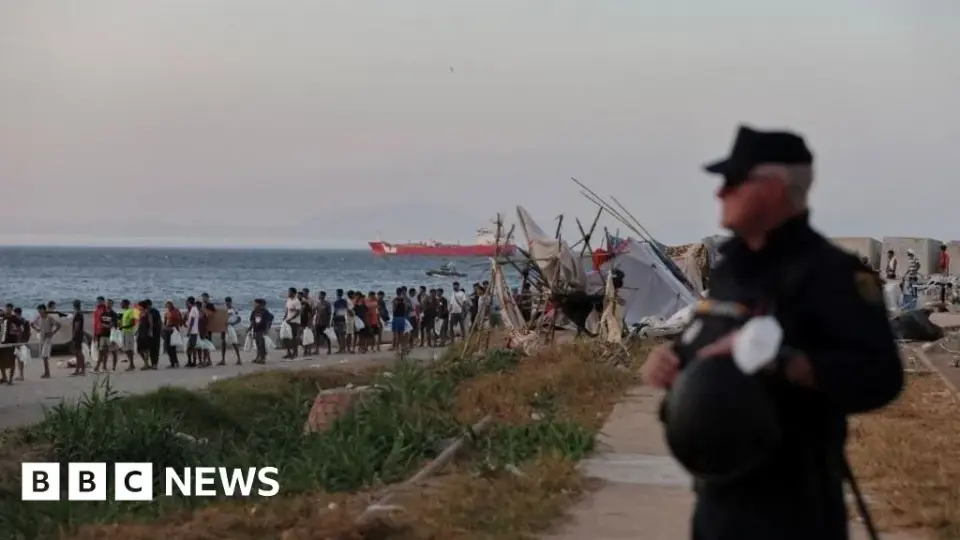
Newly declassified documents show Spain's National Intelligence Service (CNI) warned authorities about social media calls for a mass migrant crossing into Ceuta on July 29, the day before over 72,000 people entered the enclave. Prime Minister Pedro Sánchez maintains the scale of the influx was unpredictable, but opposition parties argue the government misled the public. The documents reveal CNI identified WhatsApp and Facebook groups promoting the crossing, noting that authorities would be distracted by celebrations on July 30. While Sánchez insists no report predicted the magnitude of the crisis, critics claim the intelligence proves negligence. The incident has led to ongoing unrest in Ceuta, with thousands of migrants remaining in makeshift camps and locals protesting the government's handling of the security and humanitarian emergency.
Key points
- CNI warned Moroccan and Ceuta authorities on July 29 about social media groups encouraging a mass crossing the next day.
- The intelligence note cited messages reaching approximately 180,000 people, including one stating authorities would be distracted by celebrations on July 30.
- At least 72,000 migrants crossed into Ceuta on July 30 and 31, with at least 100 deaths reported by the city's mayor.
- Prime Minister Pedro Sánchez insists the government had no information conveying the magnitude of the crisis, contradicting opposition claims.
- The documents were released after mounting pressure on Sánchez and allegations that Morocco facilitated the crossings, though the government denies Moroccan complicity.
Background
The Ceuta migrant crisis began in late July 2026 when tens of thousands of people crossed from Morocco into the Spanish enclave, resulting in dozens of deaths and overwhelming local infrastructure. Previous reports indicated that the surge followed a court ruling affecting sea interceptions and raised questions about Moroccan leverage. By September, the EU had allocated significant aid to Spain, but thousands of migrants remained in the city, leading to ongoing tensions between locals and authorities. The current release of intelligence documents adds a new layer to the debate over whether the Spanish government failed to act on prior warnings.
Why it matters
The revelation that Spanish intelligence services had advance knowledge of the Ceuta migrant surge challenges the government's narrative of unpredictability and intensifies political pressure on Prime Minister Pedro Sánchez. It raises critical questions about the effectiveness of border security and the potential role of social media in coordinating mass migration events. The incident highlights the fragility of Europe's southern borders and the ongoing tensions between Spain and Morocco regarding migration management. Furthermore, the release of these documents may influence future EU policies on border control and intelligence sharing, as well as impact public trust in the Spanish government's crisis response.
What to watch
Expect continued political confrontation in Spain as opposition parties use the declassified documents to demand accountability from the government. The Spanish government may face further scrutiny regarding its intelligence protocols and crisis management. In Ceuta, efforts to manage the remaining migrant population and address local unrest will likely continue, potentially leading to further protests or policy changes. The EU may also review its border security measures in light of the intelligence failures exposed by the documents.
Want the full story? Read the original reporting
Read on BBC