
DNC Sets 12-Debate Schedule for 2028 Primary, Mandating Anti-Dark Money Pledge
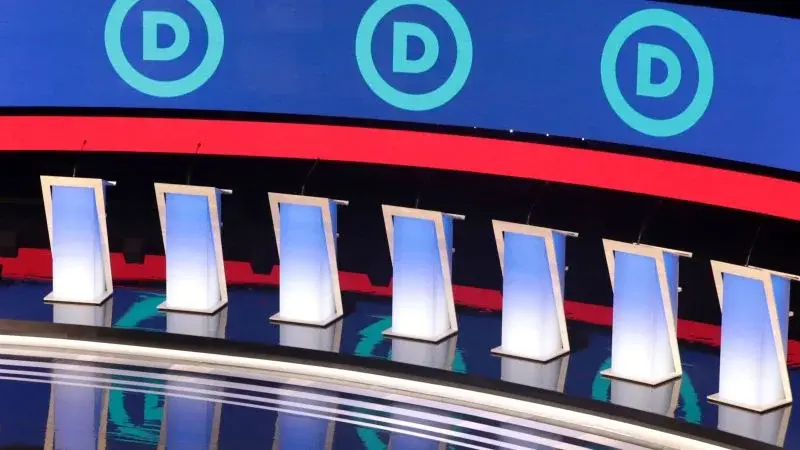
The Democratic National Committee (DNC) announced a 12-debate schedule for the 2028 presidential primary, starting in June 2027. A key new rule requires candidates to sign a pledge denouncing 'dark money' and super PAC spending to participate. The plan caps participation at 20 candidates per debate and may use two-night formats for early events. While progressives support the move, critics question its enforceability since super PACs can continue spending despite candidate denunciations.
Key points
- The DNC will host 12 debates between June 2027 and March 2028, with five in 2027 and seven in 2028.
- Candidates must sign a 'Fair Campaign Practices Pledge' to denounce super PAC and 501(c)(4) 'dark money' spending to qualify for debates.
- Early debates may occur over two consecutive nights to accommodate up to 20 candidates, with lineups determined randomly to ensure parity.
- The DNC will publish a tracker of complaints and denunciations on its website, though it lacks legal authority to ban super PAC spending.
- The debate planning committee is led by Minyon Moore and Roger Lau, with details on dates and media partners to be released in January 2027.
Background
This announcement follows the DNC's recent overhaul of early primary states, which removed Iowa and added New Mexico, Michigan, and Virginia. It also comes after a contentious Denver summit in November 2026, where billionaire-funded groups clashed with progressives over the party's direction. The 2020 primary also featured 12 debates, but the final one was canceled after Joe Biden secured the nomination. The current cycle is expected to be crowded, with potential candidates including Gavin Newsom, Kamala Harris, and Josh Shapiro, though polling suggests support for younger, progressive figures like Jon Ossoff and Alexandria Ocasio-Cortez.
How outlets are covering it
CNN and The Guardian emphasize the structural changes, including the new pledge and the 12-debate format, framing them as efforts to maintain party unity and transparency. Axios highlights the tension between the DNC's new rules and the practical reality that super PACs can continue spending even if candidates denounce them, noting that previous campaigns, such as Biden's in 2020, effectively allowed super PACs to operate. New York Magazine points out that the 2028 plan mirrors the 2020 template, including 'split panel' debates, and questions whether the pledge will have substantive impact, given that most major candidates are expected to have supportive super PACs. Progressives like Bernie Sanders and Elizabeth Warren back the pledge, while moderates like Jason Crow and former DNC chair Jaime Harrison also support it, but critics like Rob Flaherty and Ammar Moussa argue the measure is symbolic and may not prevent big money from influencing the race.
Why it matters
The new rules could reshape the 2028 Democratic primary by limiting the influence of outside money, a key concern for progressives. However, the enforceability of the pledge is uncertain, as super PACs are not legally bound by candidate denunciations. The outcome will test whether party-driven campaign finance restrictions can function in a competitive primary, potentially affecting the party's strategy to retake the White House. The debate schedule and qualification criteria will also influence which candidates gain visibility, with early polling suggesting support for younger, progressive candidates.
What to watch
The DNC will announce specific dates, locations, and media partners for the first two debates in January 2027. It will also release detailed qualification criteria, including polling and fundraising thresholds, for the early debates. The party will monitor compliance with the Fair Campaign Practices Pledge through a public tracker, and the debate planning committee will oversee the process. The 2028 primary is expected to be crowded, with potential candidates including governors and former officials, though no official announcements have been made yet.
- DNC plans to hold 12 debates for 2028 primary – with a new rule for Democrats who want in CNN
- Democrats to hold a dozen 2028 presidential primary debates starting in June The Guardian
- DNC limits 2028 primary candidates' ties to big-money groups Axios
- US Democrats require 2028 candidates to reject dark money to make debate stage Reuters
- Here We Go Again: Democrats Are Planning a Dozen Primary Debates New York Magazine
Want the full story? Read the original reporting
Read on CNN