
DOJ demands 48-hour ballot sequestration in California as noncitizen voting crackdown escalates
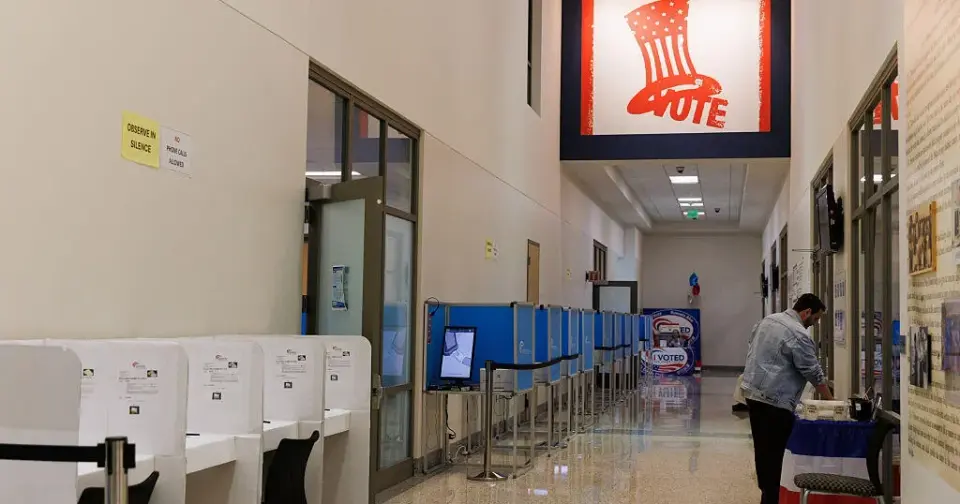
Federal prosecutors have issued 48-hour deadlines to at least 18 California counties, demanding they sequester and verify mail-in ballots from individuals the Justice Department (DOJ) alleges are noncitizens. This move escalates a legal battle ahead of the November midterms, following a lawsuit to block the counting of 20,000 ballots and dramatic arrests of green card holders. While the DOJ threatens election officials with criminal liability for counting these votes, California officials and legal experts argue the federal data is unreliable and risks disenfranchising citizens.
Key points
- The DOJ sent letters to county registrars in at least 18 California counties, giving them 48 hours to provide identifying information for suspected noncitizen voters and sequester unverified ballots.
- First Assistant U.S. Attorney Bill Essayli warned that officials who knowingly process ballots for noncitizens face legal jeopardy, citing potential criminal liability.
- The DOJ is suing California and Los Angeles County to block the counting of over 20,000 mail-in ballots associated with people the government claims are likely noncitizens, with a hearing scheduled for Tuesday.
- California officials, including Secretary of State Shirley Weber and LA County Clerk Dean Logan, argue the federal data is inaccurate and that the demands threaten to delay vote certification and undermine election legitimacy.
- The DOJ recently charged 28 green card holders in California with illegal voting, including a dramatic, militarized arrest of 72-year-old Omar Muñoz, which critics described as a staged PR stunt.
Background
This escalation follows a series of actions by the Trump administration to scrutinize voter rolls ahead of the 2026 midterms. In August, Homeland Security claimed to have identified 250,000 potential noncitizen voters across four states, though some findings, such as in Nevada, were later disputed by state officials. The DOJ has also filed 31 lawsuits demanding unredacted voter rolls from states, though it has lost 26 of these cases. The current conflict in California is part of a broader pattern of federal interference in state election processes, including similar legal battles in Alaska regarding the certification of the Senate race.
How outlets are covering it
The DOJ and its allies, including Acting Deputy Attorney General Trent McCotter, frame the actions as necessary to protect election integrity and prevent 'untraceable disenfranchisement' of citizens. They emphasize the criminal liability of officials who count ballots for noncitizens. In contrast, California officials, including Senator Alex Padilla, and legal experts like Justin Levitt and Wendy Weiser, argue the DOJ's data is unreliable and that the actions are politically motivated. They criticize the dramatic arrests and DOJ promotional videos as a 'PR campaign' designed to create a false impression of widespread voter fraud, noting that noncitizen voting is exceedingly rare. The Guardian highlights the disproportionate and theatrical nature of the arrests, such as the militarized raid on Omar Muñoz, as a departure from standard DOJ norms, while CNN notes the administration's claims have faced scrutiny and failed to hold up under review in other states like Nevada.
Why it matters
The DOJ's demands and lawsuits threaten to delay the certification of votes in California, a key state in the 2026 midterms, and could disenfranchise citizens if the federal data is inaccurate. The dramatic arrests and publicized charges risk undermining public confidence in the election process and setting a precedent for federal interference in state election administration. The outcome of the legal battles and the reliability of the DOJ's data will have significant implications for the integrity of the midterms and the balance of power in the Senate.
What to watch
A hearing on the DOJ's lawsuit to block the counting of 20,000 ballots is scheduled for Tuesday. The DOJ has asked the 9th Circuit Court of Appeals to rule on the case before the district judge's decision, with a deadline set for Saturday. County officials must respond to the 48-hour demands by providing identifying information and sequestering ballots. The November 3 midterms are approaching, and the resolution of these legal challenges will determine whether the contested ballots are counted.
- DOJ demands that some California counties set aside and verify alleged noncitizen ballots within 48 hours CBS News
- DOJ orders some California counties to verify ballots in 48 hours Yahoo
- Justice Dept. Demands That California Counties Help Identify Noncitizen Voters The New York Times
- ‘They wanted to make a scene’: the 72-year-old paraded in dramatic arrest for ‘voter fraud’ The Guardian
- Justice Department orders California counties to set aside ballots from suspected noncitizens CNN
Want the full story? Read the original reporting
Read on CBS News