
DOJ seeks Supreme Court emergency intervention to block California ballot processing before midterms
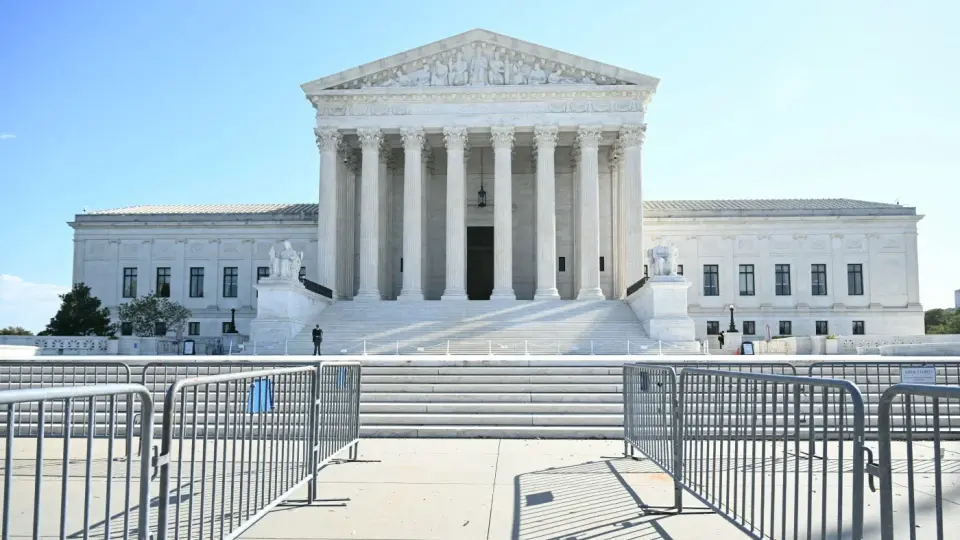
The Department of Justice has petitioned the U.S. Supreme Court for immediate injunctive relief to halt the processing of mail-in ballots in California, claiming 20,000 voters are noncitizens. This move follows lower court rejections of similar requests, with judges citing the Purcell principle and state sovereignty to allow California to count votes ahead of the November 3 midterm elections.
Key points
- The DOJ filed a notice on Monday seeking emergency injunctive relief from the Supreme Court to stop California from processing ballots for 20,000 individuals identified as likely noncitizens.
- The request arrives one day before the November 3 midterm elections, following a 9th Circuit Court of Appeals decision that rejected the DOJ's bid to set aside these ballots.
- 9th Circuit judges Mark Bennett and Gabriel Sanchez ruled that altering election rules on the eve of a vote violates the Purcell principle and that the DOJ's list is unreliable.
- Judge David Carter previously described the federal government's actions as a broad pattern of attempted election interference, while a San Francisco judge issued a temporary restraining order against threats to election officials.
- Data scientists at UCLA's Voting Rights Project found that 42% of the names on the DOJ's list do not appear on California's current voter roll, and some naturalized citizens were included.
Background
This dispute is part of a broader escalation in federal-state tensions over election administration. Earlier this month, the DOJ issued subpoenas to California election workers and warned of criminal prosecution for allowing ineligible voters to cast ballots. Lower courts have consistently sided with California and Los Angeles County, ruling that the federal government cannot force state officials to abandon their procedures or create novel systems to segregate ballots during an active election period. The National Voter Registration Act's 90-day quiet period before federal elections has also been cited as a legal barrier to the DOJ's demands.
Why it matters
The outcome of this Supreme Court petition could set a precedent for federal interference in state election administration. If the high court intervenes, it may disrupt the counting of mail-in ballots in a key state just before a major election, potentially disenfranchising voters. Conversely, a refusal to intervene would reinforce the legal protections for state sovereignty and the stability of election procedures during critical periods.
What to watch
The Supreme Court must decide whether to accept the case and, if so, whether to issue a ruling before Election Day. The DOJ has also appealed the temporary restraining order issued by a San Francisco judge, which bars the administration from threatening election officials. The final outcome will determine whether California can proceed with counting all ballots as scheduled or if a federal mandate will alter the process.
Want the full story? Read the original reporting
Read on NPR