
DSA Leader Dismisses $49T Cost Estimate as 'Made Up' Amid Record Midterm Wins
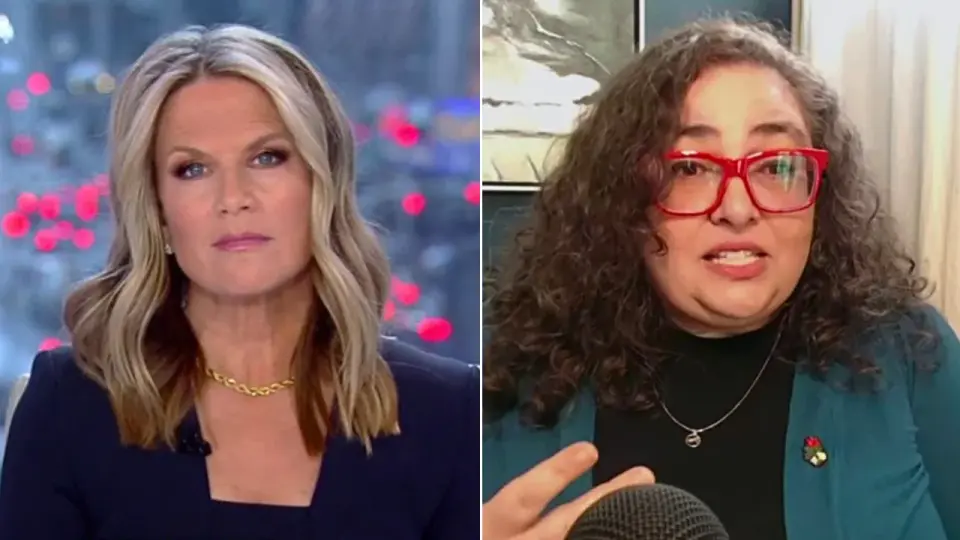
Megan Romer, co-chair of the Democratic Socialists of America (DSA), dismissed a White House estimate that DSA policies would cost $49 trillion as a 'made-up number.' This occurred after DSA-backed candidates won a record number of House seats in the 2026 midterms. Romer argued that costs depend on phasing in new programs and cutting existing ones, such as military spending, rather than accepting a single static figure. The incoming lawmakers, including Claire Valdez and Melat Kiros, plan to prioritize affordability and universal healthcare while challenging the current Democratic leadership.
Key points
- The White House Council of Economic Advisers estimated DSA policy proposals, including Medicare for All and student debt cancellation, would cost $49 trillion, or roughly $355,000 per household over ten years.
- DSA co-chair Megan Romer rejected these figures on Fox News, stating the numbers were 'outrageous' and 'made up,' and declined to provide an independent cost estimate, citing the complexity of phasing in new programs.
- At least five DSA-endorsed candidates won House races in the 2026 midterms: Darializa Avila Chevalier and Claire Valdez in New York, Melat Kiros in Colorado, Donavan McKinney in Michigan, and Chris Rabb in Pennsylvania.
- Romer argued that federal military spending, which she called 'outrageous,' could be redirected to fund DSA priorities, contrasting the $961 billion defense budget with the estimated $47 trillion cost of DSA policies.
- Incoming DSA lawmakers have not committed to supporting Hakeem Jeffries for House Speaker, potentially complicating the Democratic agenda if they regain the House majority.
Background
The DSA's presence in the House is set to more than triple, growing from two members to at least seven. This expansion follows a primary cycle where DSA candidates defeated establishment figures, including 15-term incumbent Diana DeGette and Congressional Hispanic Caucus chair Adriano Espaillat. The organization is not a registered political party but has gained significant influence within the Democratic Party, particularly in blue districts. Previous coverage noted that incoming DSA members are prioritizing pragmatic legislative tactics over symbolic actions, such as impeaching President Trump, and are focusing on policy outcomes like universal healthcare and childcare.
How outlets are covering it
Fox News highlighted Romer's dismissal of the $49 trillion estimate as 'made up' and her criticism of U.S. military spending, framing the DSA's agenda as fiscally irresponsible. NPR and AP News focused on the historic nature of the DSA's midterm victories, emphasizing the candidates' economic populist policies and their challenge to Democratic leadership. New York Magazine provided a more sympathetic view, with Claire Valdez describing the DSA's rise as a response to widespread public anger over affordability and inequality, and mocking a House vote condemning socialism. The outlets differ in their framing of the DSA's impact: Fox News portrays it as a radical threat, while NPR and AP News view it as a growing but potentially manageable bloc within the Democratic Party, and New York Magazine sees it as a legitimate response to economic grievances.
Why it matters
The DSA's growing presence in Congress could significantly influence the Democratic Party's legislative agenda, particularly on issues like healthcare, immigration, and military spending. The incoming lawmakers' refusal to commit to supporting Hakeem Jeffries for Speaker suggests potential internal tensions within the Democratic Party. The debate over the cost of DSA policies, with the White House citing $49 trillion and Romer dismissing the figure, highlights the broader political struggle over fiscal responsibility and the role of government in addressing economic inequality. The DSA's success in the midterms indicates a shift in American politics, with voters increasingly supporting progressive candidates who challenge the status quo.
What to watch
The incoming DSA lawmakers will likely push for policy wins that align with their platform, including Medicare for All, abolishing ICE, and expanding social housing. The vote for House Speaker will be an early test of their influence, as they have not committed to supporting Hakeem Jeffries. The DSA's ability to translate electoral success into policy wins will depend on their relationship with Democratic leadership and the broader political landscape. The White House may continue to emphasize the cost of DSA policies to counter their influence, while the DSA will likely focus on building support for their agenda among voters and within the Democratic Party.
- DSA leader dismisses $49T cost estimate for socialist policies as a 'made-up number' Fox News
- 6 DSA candidates are elected to the House in a historic night for their movement NPR
- Guess Who’s Coming to Washington New York Magazine
- Meet the democratic socialists likely on their way to Congress AP News
- Democratic Socialists of America see record wins in US midterm elections Al Jazeera
Want the full story? Read the original reporting
Read on Fox News