
Fauci’s Fifth Amendment Stand Sparks Contempt Threats and Public Health Concerns
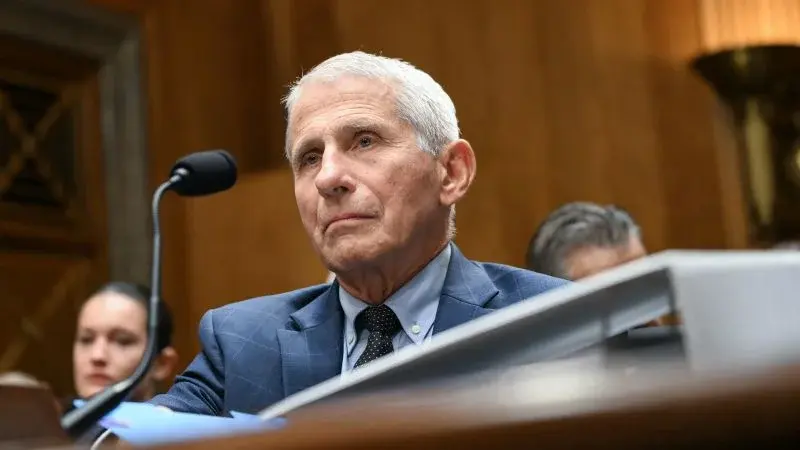
On July 29, 2026, former NIH Director Anthony Fauci invoked the Fifth Amendment over 100 times during a Senate hearing, refusing to answer questions about the origins of COVID-19. While allies view this as a successful defense against perjury charges, Republicans led by Senator Rand Paul plan a contempt vote. Critics warn the hearing exacerbates a 'chilling effect' on public health careers.
Key points
- Fauci invoked the Fifth Amendment more than 100 times during a three-hour Senate hearing on July 29, 2026.
- Senator Rand Paul pledged to hold a vote next week to hold Fauci in contempt of Congress.
- Fauci’s team strategically withheld testimony to avoid providing evidence for new perjury charges not covered by his 2025 pardon.
- Public health experts warn the hearing creates a 'chilling effect,' discouraging future researchers from entering the field.
- Paul’s contempt maneuver faces significant hurdles, including a potential 60-vote Senate threshold and DOJ discretion.
Background
This hearing follows a six-year dispute between Fauci and Senator Rand Paul. Fauci left the government in 2023 and received a blanket pardon from President Biden in 2025. Recent events include the firing of Fauci’s wife, Christine Grady, and the arrest of former associate David Morens for concealing federal records, which Fauci’s allies cite as evidence of a broader political targeting strategy.
How outlets are covering it
CNN and The New York Times emphasize the strategic nature of Fauci’s silence, framing it as a necessary defense against a 'vilifying' hearing designed to generate perjury evidence. In contrast, NPR highlights the broader societal impact, with experts like Katelyn Jetelina and Georges Benjamin arguing that the spectacle intimidates public health professionals and undermines trust in scientific institutions. While Republicans view the Fifth Amendment invocation as an evasion of responsibility, Fauci’s allies argue the hearing was a partisan attack that failed to produce new evidence.
Why it matters
The outcome of the potential contempt vote could set a precedent for legal protections of former officials. More broadly, the hearing’s tone may deter qualified individuals from entering public health careers, potentially weakening the nation’s ability to respond to future pandemics and health crises.
What to watch
Senator Paul is expected to push for a contempt vote next week. However, legal scholars note that even if the committee votes to hold Fauci in contempt, the full Senate would typically need a 60-vote threshold to recommend criminal charges to the Department of Justice, a hurdle requiring Democratic support that is unlikely to be met.
- ‘There was no other option’: Inside Fauci’s intensely planned hearing strategy CNN
- Fauci’s Turn From Pandemic Star to Silent Witness WSJ
- Inside Fauci’s intensely planned hearing strategy: ‘There was no other option’ CNN
- After Fauci Senate hearing, experts worry about 'chilling effect' on public health NPR
- Opinion | What We Really Learned From the Fauci Hearing The New York Times
Want the full story? Read the original reporting
Read on CNN