
US Loses Measles Elimination Status as Experts Urge Boosters for Pre-1989 Adults
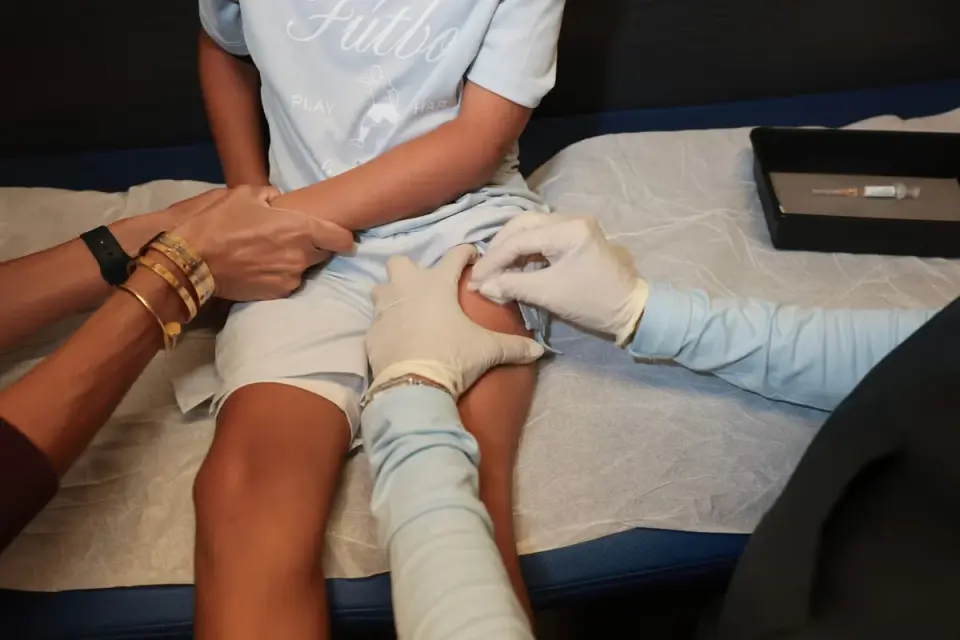
The United States lost its measles elimination status in November 2026 after nearly 6,000 cases and 13 deaths were confirmed this year. Infectious disease experts warn that adults vaccinated before 1989 may have waning immunity from a single dose and should consider boosters. While the CDC maintains that one dose is sufficient for low-risk adults, specialists argue that current transmission levels and aging immune systems make additional vaccination necessary for many.
Key points
- The Pan American Health Organization announced on Nov. 17 that the US lost its measles elimination status, held since 2000, due to continuous transmission for over 12 months.
- Nearly 6,000 cases and 13 deaths have been reported in the US this year, with over 40% of cases occurring in adults.
- Experts advise that adults born before 1989, who typically received only one dose of the vaccine, may need a booster as immunity from a single dose can wane with age or medical conditions.
- The CDC recommends two doses for 97% effectiveness, but maintains that one dose is sufficient for most adults, a stance critics call outdated.
- Local vaccination rates in some Massachusetts elementary schools have fallen below the 95% herd immunity threshold, though state officials note data lags and exemptions.
Background
The US had maintained measles elimination status since 2000, defined as no continuous spread for a full year. Recent outbreaks in Pennsylvania, Wisconsin, and New York have driven case numbers to the highest level in over three decades. Earlier reports indicated discrepancies between state and federal death tolls, with Pennsylvania reporting more fatalities than the CDC. A rare breakthrough infection in a vaccinated traveler in Illinois in October highlighted risks for those with single-dose immunity.
How outlets are covering it
The Independent and The New York Times emphasize the risk to adults, noting that one dose provides 93% protection, which may decline over time. The CDC, however, continues to advise that one dose is sufficient for adults born before 1989 unless they are in high-risk groups. The New York Times highlights that 96% of cases are in unvaccinated or unknown-status individuals, but experts warn that 'unknown' status often includes those with single-dose immunity. Cambridge Day reports local school vaccination rates below 95%, but the Cambridge Public Health Department argues that state data lags and exemptions mean all schools actually meet the threshold. The Independent notes that people born before 1957 are likely immune from natural exposure, while those vaccinated between 1963-1967 may have received an ineffective vaccine.
Why it matters
The loss of elimination status signals a shift from sporadic outbreaks to persistent transmission, increasing the risk of severe complications like encephalitis and organ damage. Adults with waning immunity may unknowingly spread the virus, particularly in healthcare settings or to immunocompromised individuals. Public confusion over vaccination requirements could lead to underestimation of risk, as many adults assume they are fully protected by a single childhood dose.
What to watch
The CDC is monitoring cases and has expanded its surveillance network to include measles. Pharmaceutical companies Merck and GSK are monitoring vaccine demand. Experts urge individuals to check vaccination records and consult physicians for boosters, especially if they have underlying conditions or work in high-risk settings. The CDC's vaccine advisory committee has not met since December 2025 due to a federal court ruling, delaying updates to guidance.
- Measles is rapidly spreading in US and doctors have new warning for the vaccinated The Independent
- Measles Is a Growing Risk for Adults in the United States The New York Times
- As measles outbreaks continue, do adults need to get a vaccine booster? Here’s what health experts say. The Boston Globe
- Some Adults Urged to Get 2nd Measles Shot as Cases Surge Yahoo
- Measles vaccination rates fall below herd immunity at some local elementary schools Cambridge Day
Want the full story? Read the original reporting
Read on The Independent