
Fauci’s Fifth Amendment Strategy Backfires as Contempt Threats Loom
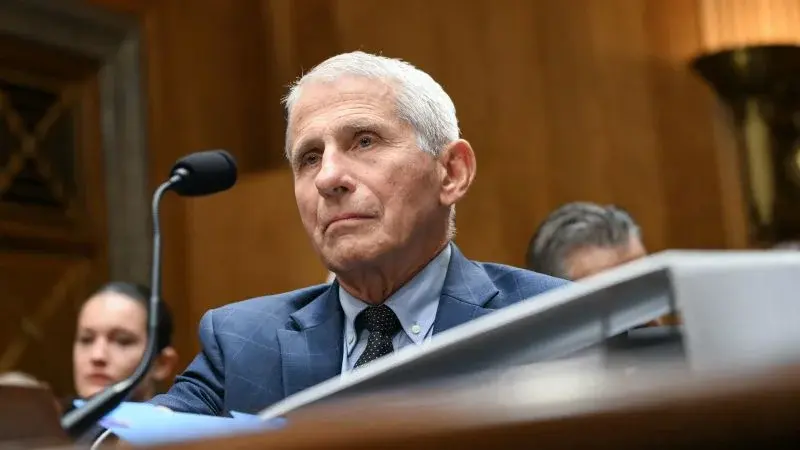
Dr. Anthony Fauci invoked the Fifth Amendment over 100 times during a three-hour Senate hearing, aiming to avoid perjury charges. While his team viewed this as a survival tactic, critics argue it intensified political attacks and raised concerns about the future of public health infrastructure.
Key points
- Fauci invoked the Fifth Amendment more than 100 times during a Wednesday hearing before the Senate Homeland Security and Governmental Affairs Committee.
- Sen. Rand Paul pledged to push for a contempt vote next week, claiming Fauci’s refusal to testify warrants criminal referral.
- Fauci’s team strategically withheld details to prevent Republicans from using inconsistencies in his testimony as evidence for perjury charges.
- The hearing reignited debates over the origins of COVID-19 and Fauci’s role in pandemic response policies.
- Public health experts warn that the political targeting of Fauci is creating a 'chilling effect' on the field, discouraging new researchers and eroding trust in public health institutions.
Background
This hearing follows a six-year legal and political battle between Fauci and Sen. Rand Paul, which intensified after Fauci received a preemptive pardon from President Joe Biden in 2025. Previous coverage noted that Fauci’s unredacted diary, released days before the hearing, contained candid notes on his pandemic-era decisions. The hearing also occurred amid broader cuts to the National Institutes of Health and the Department of Health and Human Services under Secretary Robert F. Kennedy Jr.
How outlets are covering it
CNN portrays the hearing as a strategic victory for Fauci, arguing that his silence shifted public scrutiny back to the Republicans and that their aggressive tactics 'overplayed their hand.' In contrast, NPR emphasizes the broader consequences for public health, highlighting a 'chilling effect' on the profession. NPR notes that the political attacks, combined with agency cuts, are discouraging new researchers and undermining public trust in health officials. While CNN focuses on the legal maneuvering and Fauci’s survival, NPR frames the event as part of a larger assault on public health infrastructure and scientific integrity.
Why it matters
The outcome of the contempt vote could set a precedent for the legal vulnerability of public health officials. If Fauci is charged, it may signal a broader willingness to use the legal system to target political foes, potentially deterring future experts from serving in government roles. Additionally, the erosion of public health infrastructure and the 'chilling effect' on the profession could impact the U.S. ability to respond to future pandemics and health crises.
What to watch
Sen. Rand Paul is expected to push for a contempt vote next week. If successful, the case could be referred to the Department of Justice, though legal scholars question whether the 60-vote threshold in the Senate can be bypassed. Fauci’s team anticipates further legal challenges, while public health experts call for a comprehensive review of pandemic response policies to rebuild trust and restore the field's integrity.
- Inside Fauci’s intensely planned hearing strategy: ‘There was no other option’ CNN
- Fauci’s Turn From Pandemic Star to Silent Witness WSJ
- After Fauci Senate hearing, experts worry about 'chilling effect' on public health NPR
- Opinion | What We Really Learned From the Fauci Hearing The New York Times
- Could Fauci face criminal charges for refusing Senate COVID questions? Reuters
Want the full story? Read the original reporting
Read on CNN