
Five DSA-backed candidates win House seats, signaling a major left-wing shift in 2026 midterms
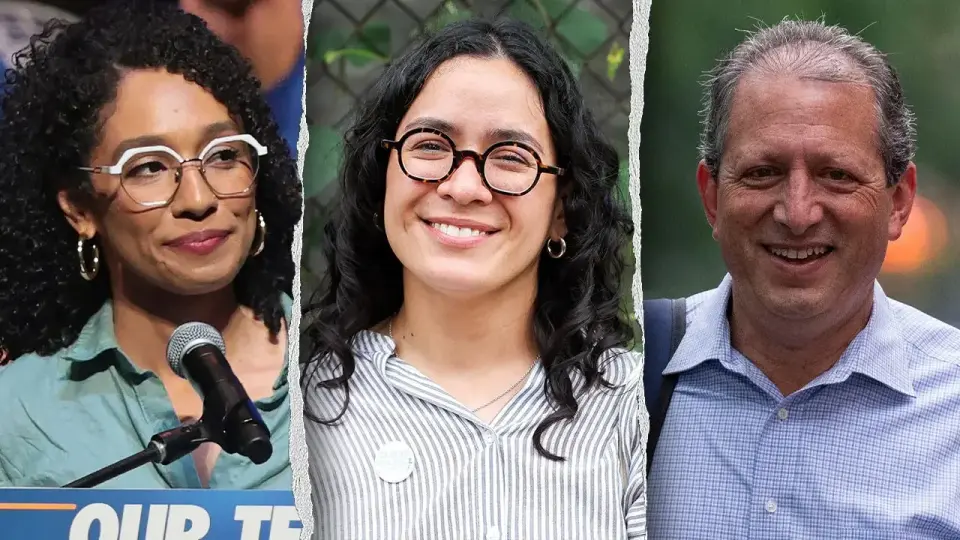
Five candidates endorsed by the Democratic Socialists of America (DSA) have won House seats in the 2026 midterms, marking a historic expansion of the group’s congressional presence. These lawmakers, representing districts in New York, Colorado, Michigan, and Pennsylvania, defeated establishment incumbents or primary rivals by championing policies such as Medicare for All and the abolition of ICE. Their victory complicates the Democratic Party’s legislative agenda, as none have committed to supporting Hakeem Jeffries for Speaker, while Republicans frame the results as a threat to American values.
Key points
- Five DSA-endorsed candidates—Darializa Avila Chevalier, Claire Valdez, Melat Kiros, Donavan McKinney, and Chris Rabb—won House races in the 2026 midterms.
- The DSA’s congressional presence is set to more than triple, rising from two members to at least seven when the new Congress convenes in January 2027.
- All five candidates defeated establishment-backed opponents or incumbents, including 15-term Rep. Diana DeGette and Congressional Hispanic Caucus Chair Adriano Espaillat.
- None of the incoming DSA-backed members have committed to supporting Hakeem Jeffries for House Speaker, creating potential internal friction within the Democratic caucus.
- The candidates’ platforms emphasize universal healthcare, universal childcare, and the abolition of ICE, reflecting a shift toward economic populism over identity politics.
Background
The 2026 midterms follow a period of significant left-wing mobilization in the U.S., including the election of DSA member Zohran Mamdani as New York City mayor in late 2025. This surge contrasts with earlier Republican efforts to condemn socialism in Congress, such as a 2025 House resolution denouncing the 'horrors of socialism.' The current results mirror the 2010 Tea Party’s impact on the Republican Party, reshaping the Democratic Party’s internal dynamics. Meanwhile, global far-left movements, such as those in France and Spain, have faced challenges, but the U.S. DSA’s success stands out as a distinct domestic political shift.
How outlets are covering it
Fox News frames the DSA victories as a 'far-left insurgency' that will complicate Democratic leadership, emphasizing candidates’ anti-Israel stances and calls to abolish ICE. NPR highlights the historic nature of the DSA’s expansion, noting that the group’s influence could grow if Democrats win a broader House majority. New York Magazine focuses on the candidates’ grassroots appeal, with Claire Valdez arguing that their policies address working-class frustrations over wages, rent, and healthcare. Le Monde contextualizes the DSA’s rise as a shift away from identity politics, comparing it to the Tea Party’s 2010 impact and citing polls showing 58% of Democratic voters hold a positive view of socialism. While Fox News and Le Monde emphasize the ideological divide, NPR and New York Magazine stress the candidates’ policy-driven appeal and potential to reshape Democratic priorities.
Why it matters
The DSA’s expanded presence in Congress could force the Democratic Party to prioritize economic populist policies, such as Medicare for All and universal childcare, over traditional centrist positions. This shift may influence the 2028 presidential cycle, as the DSA’s platform gains traction among voters disillusioned with identity politics. Additionally, the lack of commitment to support Hakeem Jeffries for Speaker could delay or complicate Democratic legislative agendas, potentially weakening the party’s ability to pass key bills. The results also signal a broader trend of anti-incumbency and left-wing mobilization in U.S. politics, which could reshape party dynamics in future elections.
What to watch
The new Congress will convene in January 2027, where the DSA-backed members will test their influence within the Democratic caucus. The vote for House Speaker will be a key early indicator of the bloc’s leverage, as none of the incoming DSA members have committed to supporting Hakeem Jeffries. If Democrats win a broader House majority, the DSA’s influence may be diluted, but a thin majority could amplify their role. The candidates’ policy priorities, such as abolishing ICE and expanding social programs, will likely become central to Democratic legislative debates, potentially reshaping the party’s platform for the 2028 presidential cycle.
- Meet the far-left socialists coming to Congress next year Fox News
- 5 DSA candidates are elected to the House in a historic night for their movement NPR
- Guess Who’s Coming to Washington New York Magazine
- Disillusioned by identity politics, the American left rediscovers socialism Le Monde.fr
- If Democrats Win, Thank the Left The Intercept
Want the full story? Read the original reporting
Read on Fox News