
France’s Education Protests Turn Violent as Schools Close and Arrests Mount
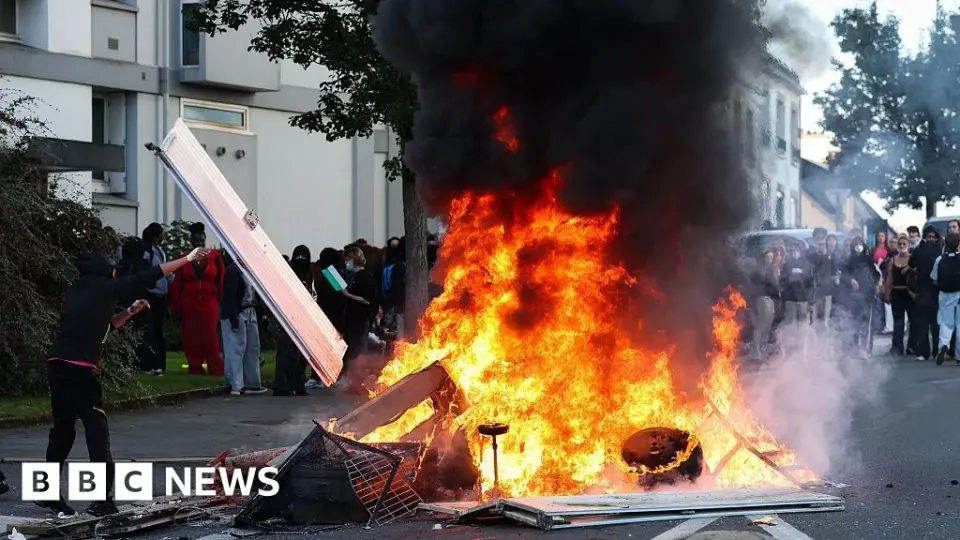
French student protests over education funding and conditions have escalated into nationwide violence, leading to hundreds of school closures, thousands of arrests, and clashes with police. The unrest, which began in late September, has spread across major cities, with students citing overcrowded classrooms, teacher shortages, and poor infrastructure. The government has condemned the violence, while students and unions argue the movement is a legitimate response to underfunding. The crisis coincides with difficult budget negotiations for 2027, where the government seeks to cut public sector wages, exacerbating tensions.
Key points
- Over 700 schools were affected by protests on Friday, with 1,747 people arrested that day alone, according to Interior Minister Laurent Nuñez.
- The protests, which began in Paris in late September, have spread to cities including Montpellier, Nantes, Marseille, and Strasbourg, with fires and clashes reported in multiple locations.
- Students are protesting teacher shortages, overcrowded classrooms, poor infrastructure, and long school hours, with some citing heatwaves and lack of resources as key issues.
- The government has condemned the violence, with Justice Minister Gérald Darmanin calling it 'urban violence' and Education Minister Édouard Geffray stating the movement had been 'hijacked by non-students.'
- The unrest coincides with difficult budget negotiations for 2027, where the government seeks to cut public sector wages, including teachers, amid rising borrowing costs and a large budget deficit.
Background
The current unrest builds on earlier escalations in late September and early October, where student protests over education conditions led to hundreds of arrests and clashes with police. Previous coverage highlighted the government's response as disproportionate, while students and unions argued the movement was a legitimate response to years of underfunding. The crisis has also coincided with the government's efforts to implement a 54 billion euro fiscal adjustment for 2027, which includes freezing public sector wages, exacerbating tensions between the government and protesters.
How outlets are covering it
The BBC and The Guardian emphasize the scale of the protests and the government's response, with the BBC highlighting the number of arrests and the violence, while The Guardian focuses on the students' grievances and the police's use of force. Time Magazine provides a broader context, noting the lack of national demands and the government's attempt to address the issues through dialogue. CNBC highlights the economic implications, linking the unrest to the government's budget negotiations and the rising borrowing costs. The sources differ in their emphasis, with some focusing on the violence and others on the underlying causes and economic context.
Why it matters
The protests highlight the deepening crisis in France's education system and the government's struggle to address it amid economic challenges. The unrest has the potential to escalate further, with students and unions calling for continued demonstrations, and the government facing pressure to address the issues without exacerbating the budget deficit. The crisis also has broader implications for France's political stability and its ability to implement necessary fiscal reforms.
What to watch
The government is expected to continue its dialogue with students, unions, and parents, while also working to address the violence and maintain order. The protests are likely to continue, with students and unions calling for further demonstrations, and the government facing pressure to address the underlying issues. The budget negotiations for 2027 will also be a key focus, with the government seeking to implement necessary cuts while addressing the concerns of the public and the education sector.
- Riot police clash with students as education protests rage in France BBC
- Fires, fury and hundreds of arrests as France gripped by student protests The Guardian
- Why Are Students Protesting Across France? Time Magazine
- A violent classroom revolt is becoming France's next big crisis CNBC
- Blockades, Fireworks and Tear Gas: Young Protesters Are Rattling France The New York Times
Want the full story? Read the original reporting
Read on BBC