
GOP Senate PAC Abandons North Carolina, Redirects Funds to Kansas Amid Midterm Crisis
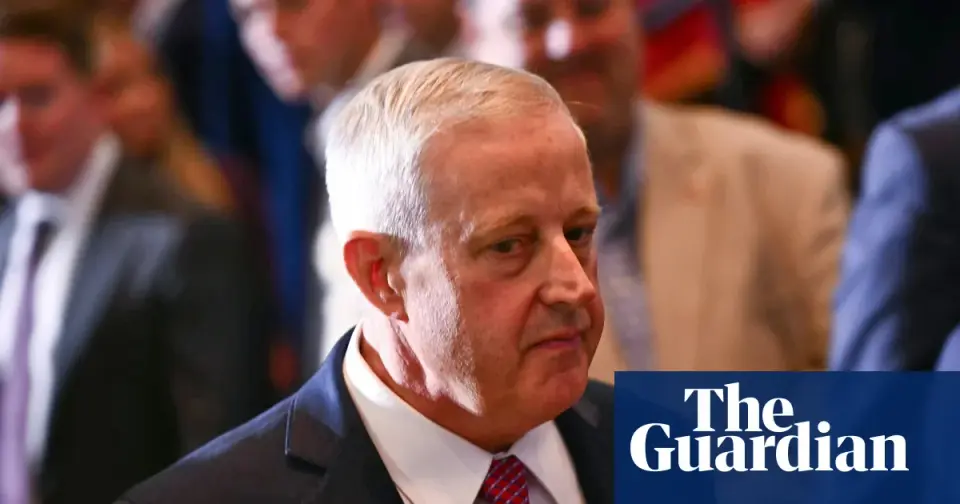
The Senate Leadership Fund has halted ad spending in North Carolina, redirecting resources to Kansas to protect the Republican Senate majority. This strategic pivot reflects dire polling for candidate Michael Whatley against Roy Cooper and growing concerns about Republican seats in traditionally red states like Kansas and Georgia.
Key points
- Senate Leadership Fund canceled all remaining ad reservations in North Carolina, where Michael Whatley trails Roy Cooper by 11 points in recent polls.
- The fund is redirecting millions to Kansas, where incumbent Roger Marshall faces a competitive challenge from Democrat Adam Hamilton in a state Trump won by 16 points in 2024.
- Republicans can afford to lose no more than three Senate seats to maintain their 53-47 majority, making defensive spending in red states a priority.
- The move follows weeks of declining confidence in North Carolina and Georgia, with other GOP super PACs also reducing support for Whatley.
- In-person early voting in North Carolina begins October 15, with the race rated 'leans Democratic' by Cook Political Report.
Background
This development follows months of Republican anxiety over the 2026 Senate map. Earlier in September, GOP leaders privately acknowledged a mixed outlook, expressing wariness about North Carolina and Georgia while focusing on states like Alaska and Michigan. President Trump had personally campaigned for Whatley in late September, framing the race as a referendum on crime and the economy, but polling consistently showed Cooper maintaining a lead. The current pivot marks a significant shift from previous strategies that heavily invested in North Carolina as a key battleground.
How outlets are covering it
The Guardian and CNN emphasize the symbolic weight of the Senate Leadership Fund's withdrawal, framing it as a major warning sign for the GOP's Senate majority. CNN highlights Democratic optimism, quoting Chuck Schumer as saying the move 'says all you need to know' about the direction of the Senate. Politico and NBC News focus more on the strategic reallocation, noting that the fund is pouring over $8 million into Kansas, a state where Democrats have not won a Senate seat since 1932. While all sources agree on the financial shift, they differ in emphasis: The Guardian and CNN highlight the collapse of the North Carolina campaign, while Politico and NBC stress the new vulnerability in traditionally red states like Kansas and Georgia. Whatley's campaign, per CNN and NBC, remains defiant, claiming late-breaking undecided voters typically favor Republicans, while Cooper's camp, per NBC, insists the race is still competitive in a '50-50 state.'
Why it matters
The Senate Leadership Fund's decision signals a fundamental reassessment of the 2026 Senate map. By abandoning North Carolina, a perennial battleground, Republicans are acknowledging the difficulty of holding seats in swing states while prioritizing defensive efforts in deep-red states like Kansas. This shift could determine whether Democrats gain the four seats needed to flip the Senate, with the outcome hinging on performance in states Trump won by double digits in 2024. The move also reflects broader economic and political headwinds, including high costs and the Iran war, which are affecting voter sentiment across the heartland.
What to watch
The Senate Leadership Fund will continue spending heavily in Kansas, Ohio, and Texas through Election Day, with over $40 million planned for Ohio alone. In North Carolina, the race will proceed without major outside GOP support, with early voting beginning October 15. Republicans will monitor polling in Georgia and other toss-up races, while Democrats will capitalize on the perceived momentum. The outcome of these races will determine whether the Senate majority shifts to Democrats in November 2026.
- Republicans pull funding of Trump-backed Senate candidate in critical North Carolina race The Guardian
- Republicans Pull Money From North Carolina Senate Race As Midterm Prospects Dim The New York Times
- Kansas enters the chat as Senate map tilts further into red territory Politico
- Top GOP group pauses spending in North Carolina in latest Senate warning sign CNN
- GOP super PAC cancels spending in North Carolina Senate race, shifting money to Kansas NBC News
Want the full story? Read the original reporting
Read on The Guardian