
Greer Blames Canada for Tariff Collapse as Trump Threatens New Auto Duties
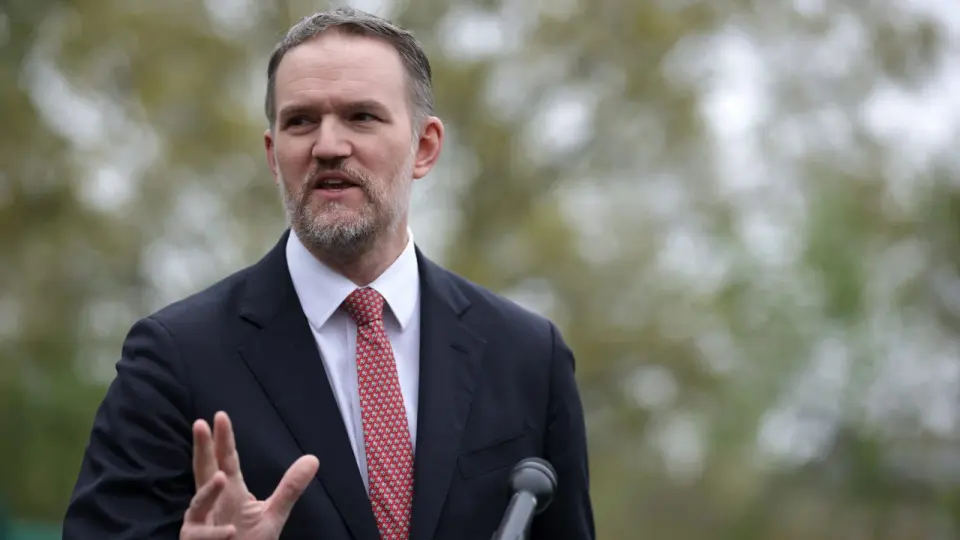
U.S. Trade Representative Jamieson Greer stated that Canada is responsible for the collapse of trade negotiations, claiming Ottawa changed its demands at the last minute. This failure led to the implementation of 50% tariffs on approximately $20 billion in Canadian goods, including wine and cement, which took effect on Saturday. Canadian Prime Minister Mark Carney has vowed to retaliate with matching tariffs, while President Trump has threatened additional 50% duties on Canadian automobiles and steel starting next year.
Key points
- Greer told CNBC that the U.S. reached a point of agreement on Tuesday night but Canada sought more concessions in the final hours, causing the deal to fail.
- The failed negotiations resulted in 50% tariffs on $20 billion worth of Canadian exports, effective at 12:01 a.m. ET on Saturday.
- Canadian Prime Minister Mark Carney accused the U.S. of making unfair, last-minute changes that undermined the reliability of any agreement.
- Carney indicated Canada may move away from a strict dollar-for-dollar retaliation strategy to better protect domestic workers and businesses.
- President Trump threatened new 50% tariffs on Canadian vehicles, auto parts, and steel, warning of consequences far worse than current measures if Canada does not comply.
Background
This dispute follows a series of failed negotiations regarding the renewal of the USMCA framework. In July, Greer downplayed the impact of the planned tariffs while pursuing broader talks with Canada and Mexico. By August, tensions escalated after talks collapsed, leading to the initial imposition of the 50% duties and Canada’s announcement of reciprocal measures. The current breakdown represents a further deterioration in relations between the two trading partners, with both sides blaming the other for the impasse.
How outlets are covering it
CNBC highlights Greer’s assertion that Canada was the primary cause of the breakdown, emphasizing that the U.S. believed a deal was nearly finalized. In contrast, The Washington Post notes that Carney accused the U.S. of proposing unfair last-minute changes. While both outlets confirm the collapse and the resulting tariffs, they frame the blame differently: CNBC focuses on Greer’s claim that Canada 'wanted more,' whereas The Post emphasizes Carney’s view that the U.S. acted in bad faith. The Post also reports that Canada is considering targeted retaliation rather than a strict dollar-for-dollar match, a nuance not detailed in the CNBC report.
Why it matters
The collapse of these talks has triggered significant economic uncertainty, with 50% tariffs now affecting $20 billion in trade. Business groups in both countries warn that these duties will raise costs and disrupt industries. The threat of additional tariffs on automobiles and steel could further destabilize North American supply chains and impact the future of the USMCA agreement, potentially leading to broader economic retaliation and trade fragmentation.
What to watch
Canada is expected to announce its retaliatory tariffs on Tuesday. President Trump has signaled that new 50% tariffs on Canadian vehicles and steel could take effect next year if Canada does not 'fall in line.' The situation remains fluid, with potential for further escalation or renewed negotiations, though the current trajectory suggests a deepening trade rift between the two nations.
- U.S. Trade Rep Greer blames Canada for failed tariff talks: 'They wanted more' CNBC
- The Latest: Canada’s prime minister promises retaliatory tariffs as negotiations with the US falter The Washington Post
- Opinion | Mark Carney Did What Canadians Elected Him to Do The New York Times
- The Moose That Roared Paul Krugman | Substack
- Trump the tariff warrior hits Canada with 50 percent tariffs. Here’s what it means for Massachusetts. The Boston Globe
Want the full story? Read the original reporting
Read on CNBC