
Herzog tasks Eisenkot with forming Israeli government after deadlocked election
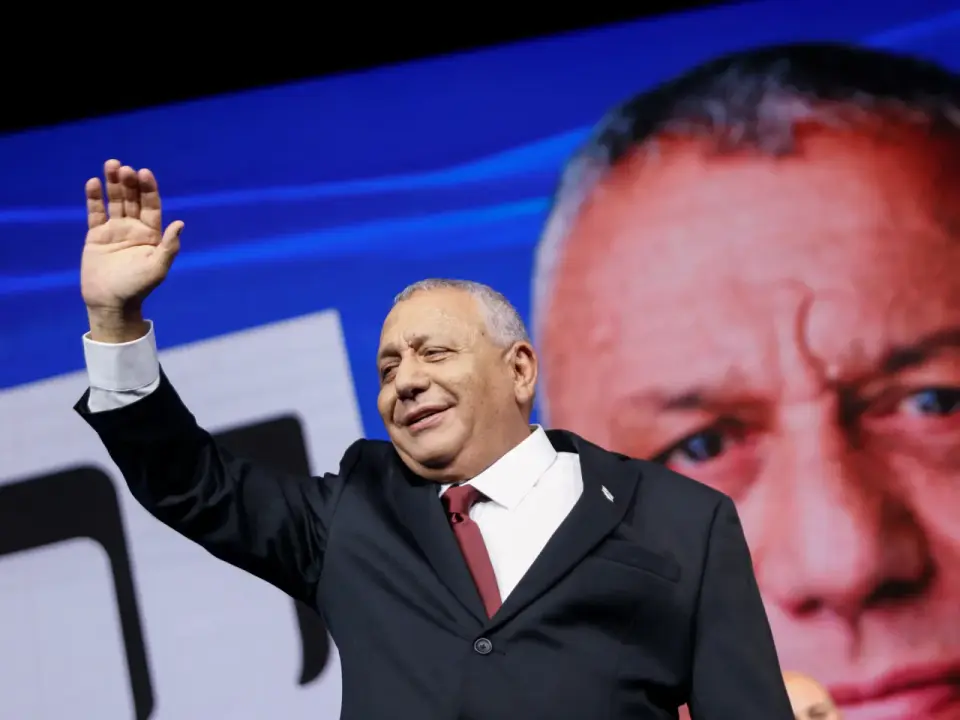
Israeli President Isaac Herzog has designated Gadi Eisenkot to form the next government, bypassing incumbent Prime Minister Benjamin Netanyahu. Eisenkot received 67 endorsements from Knesset members, including 19 from Arab-led parties, compared to 46 for Netanyahu. He has 28 days, with a possible 14-day extension, to build a coalition of at least 61 seats. If he fails, the mandate may pass to Netanyahu, or a new election could be called within 90 days.
Key points
- Herzog informed Eisenkot of the decision on Saturday evening, with a formal ceremony scheduled for Sunday.
- Eisenkot’s four-party alliance won 48 seats in the October 27 election, while Netanyahu’s bloc secured 53, leaving both short of the 61-seat majority.
- Arab-led parties, which won a record 19 seats, endorsed Eisenkot, providing him with a parliamentary majority on paper.
- Eisenkot has ruled out forming a government with Arab-led parties, creating a dilemma for coalition partners like Avigdor Lieberman.
- Netanyahu remains caretaker prime minister and has challenged the election results, alleging irregularities.
Background
The October 27, 2026, election resulted in a fragmented parliament with no clear winner. Netanyahu’s right-wing bloc holds 53 seats, falling eight short of the 61 needed for a majority. The opposition bloc led by Eisenkot secured 48 seats, while Arab-led parties achieved a record 19 seats. Previous coverage noted that Herzog was consulting with party leaders to decide whom to task with forming the government, a process that could lead to a new administration or another election if no coalition is formed within the allotted timeframe.
How outlets are covering it
Al Jazeera and The Guardian emphasize the 'predictable' nature of Herzog’s decision, noting that Eisenkot had the highest number of recommendations. They highlight the tension between Eisenkot’s refusal to form a government with Arab parties and the need for their external support. CNN focuses on the internal divisions within the opposition, particularly the conflict between Eisenkot and Avigdor Lieberman over the role of ultra-Orthodox and Arab parties. Fox News details the specific conditions Eisenkot has set for coalition partners, including the recognition of Hamas as a terrorist organization, and notes Lieberman’s recent shift on military conscription for ultra-Orthodox Jews. All sources agree that the path to power is complicated by deep disagreements among parties seeking to replace Netanyahu.
Why it matters
The outcome of these negotiations could determine whether Netanyahu, Israel’s longest-serving premier, is ousted or remains in power as caretaker. It also highlights the growing influence of Arab-led parties in Israeli politics and the potential for a minority government that may struggle to pass legislation. The situation underscores the fragility of Israeli democracy and the challenges of forming a stable government in a polarized political landscape.
What to watch
Eisenkot will have 28 days to negotiate with other parties over Cabinet posts, budgets, and policies. If he fails, the mandate passes to Netanyahu for another four weeks. If no government is formed, a new election will be called within 90 days. The first test comes Tuesday with the swearing in of the new Knesset, where the opposition intends to replace Netanyahu’s Knesset speaker.
- Israel’s president picks Eisenkot over Netanyahu to form next government Al Jazeera
- In setback to Netanyahu, rival Eisenkot to be tasked with forming next Israeli government. But the path remains complicated CNN
- Israel’s president picks Yashar leader Gadi Eisenkot to form government The Guardian
- Israeli president taps Netanyahu rival to form government as coalition battle looms Fox News
- Eisenkot, Netanyahu Rival and Opposition Leader, Tapped to Try to Form Government The New York Times
Want the full story? Read the original reporting
Read on Al Jazeera