
Herzog tasks Eisenkot with forming Israeli government after Netanyahu loses majority
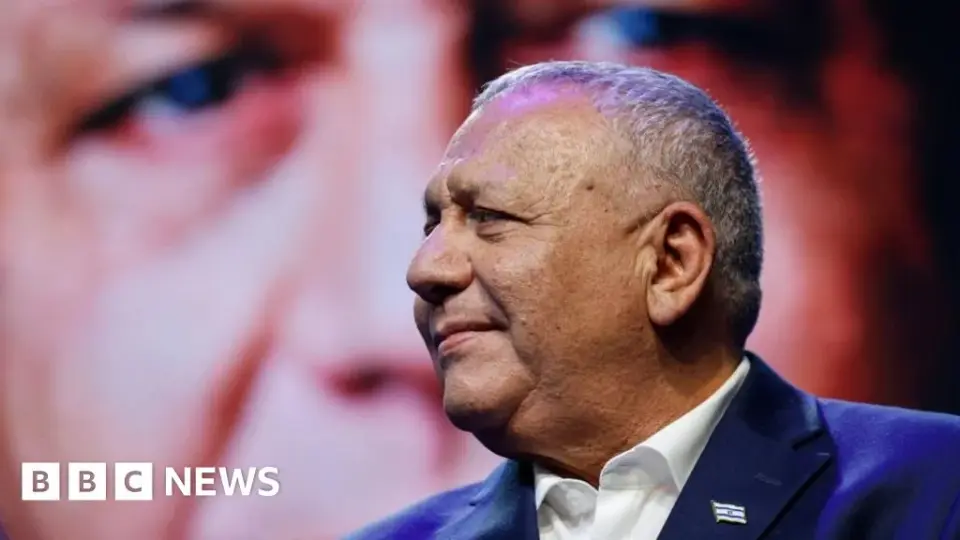
Israeli President Isaac Herzog has officially tasked opposition leader Gadi Eisenkot with forming a new government, bypassing Prime Minister Benjamin Netanyahu. Following the October 27 election, neither bloc secured the 61-seat majority required in the 120-seat Knesset. Eisenkot’s centrist Yashar party and allies won 48 seats, while Netanyahu’s right-wing coalition secured 53. Arab-led parties, which won a record 19 seats, provided the decisive support for Eisenkot, who received 67 endorsements compared to Netanyahu’s 46. Eisenkot now has 28 days, with a possible 14-day extension, to build a coalition. If he fails, the mandate passes to Netanyahu. The decision marks a potential end to Netanyahu’s nearly 19-year tenure, though coalition formation remains highly complex due to internal opposition divisions and the refusal of most Jewish parties to govern with Arab-led groups.
Key points
- President Isaac Herzog chose Eisenkot over Netanyahu after consultations with all Knesset parties, citing Eisenkot’s higher endorsement count.
- Eisenkot’s bloc holds 48 seats; Arab-led parties hold 19, totaling 67 endorsements, exceeding the 61-seat majority threshold.
- Netanyahu’s bloc holds 53 seats but lost support from some ultra-Orthodox allies, receiving only 46 endorsements.
- Eisenkot has 28 days to form a government, with a possible 14-day extension; failure would pass the mandate to Netanyahu.
- Key obstacles include internal opposition resistance to partnering with Arab parties and disagreements over mandatory military service for ultra-Orthodox groups.
Background
This development follows the inconclusive October 27, 2026, Israeli general election, where no single bloc secured a majority. Previous archive coverage noted opposition demands for immediate government formation amid stalled Iran nuclear talks and US war preparations. The election resulted in a fragmented Knesset, with Arab-led parties achieving a record 19 seats, positioning them as potential kingmakers. Netanyahu’s bloc, including far-right and ultra-Orthodox allies, won 53 seats, while Eisenkot’s centrist bloc won 48. The current decision by Herzog to task Eisenkot reflects the political deadlock and the strategic calculations of various parties to oust Netanyahu, despite significant internal divisions within the opposition.
How outlets are covering it
BBC and Yahoo report the core facts of Herzog’s decision and the endorsement counts, emphasizing the procedural outcome. CNN highlights the political obstacles, noting that Eisenkot’s path is complicated by internal opposition divisions, particularly regarding ultra-Orthodox and Arab party cooperation. CNN also details Netanyahu’s challenges to the election results and his call for a unity government. Al Jazeera focuses on the Arab parties’ role, noting their support for Eisenkot as a means to remove Netanyahu, despite Eisenkot’s refusal to form a government with them. Al Jazeera also quotes Netanyahu’s warnings about a government dependent on Arab parties, which he claims would lead to Israel’s collapse. All sources agree on the basic facts but differ in emphasis: BBC and Yahoo focus on the procedural outcome, CNN on the political obstacles, and Al Jazeera on the Arab parties’ strategic role.
Why it matters
The decision to task Eisenkot with forming a government could mark the end of Benjamin Netanyahu’s nearly 19-year rule, a significant shift in Israeli politics. The outcome of the coalition formation process will determine the direction of Israeli policy, particularly regarding the West Bank, Gaza, and relations with Arab parties. The complex coalition negotiations may lead to a new government, a return to Netanyahu, or a new election, with implications for regional stability and US-Israel relations.
What to watch
Eisenkot will begin coalition negotiations immediately, with the first test being the swearing-in of the new Knesset on Tuesday. He aims to form a minority government with external support from Arab parties, though this faces internal opposition resistance. If he fails within 28 days, the mandate passes to Netanyahu for another four weeks. If no government is formed, a new election will be called within 90 days. The outcome will depend on Eisenkot’s ability to navigate internal divisions and secure the necessary parliamentary support.
- Israel's president tasks opposition leader Eisenkot with forming government BBC
- In setback to Netanyahu, rival Eisenkot to be tasked with forming next Israeli government. But the path remains complicated CNN
- Israeli president to assign task of forming new government to Eisenkot Yahoo
- Israel’s president picks Eisenkot over Netanyahu to form next government Al Jazeera
- Israeli president taps Netanyahu rival to form government as coalition battle looms Fox News
Want the full story? Read the original reporting
Read on BBC