
Herzog tasks Eisenkot with forming Israeli government, sidelining Netanyahu
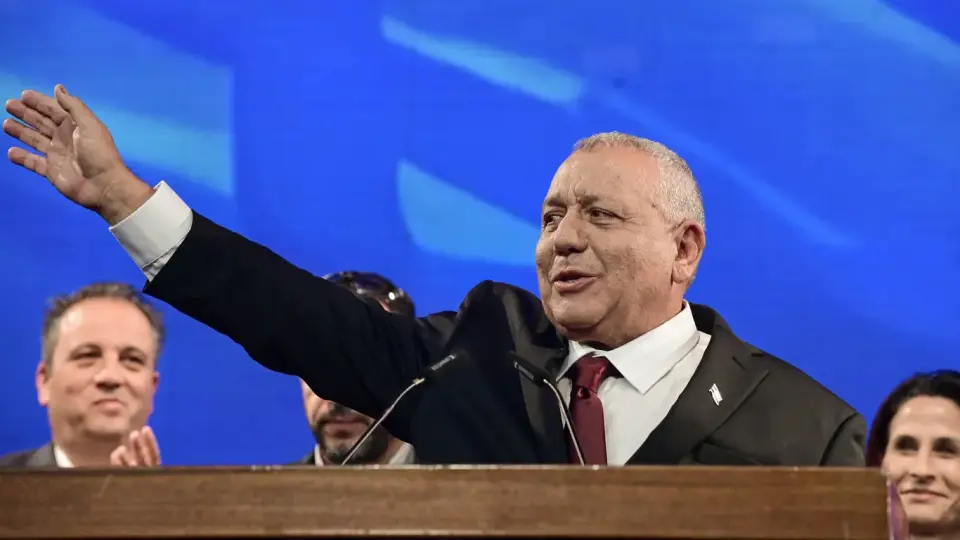
Israeli President Isaac Herzog has tasked opposition leader Gadi Eisenkot with forming the next government, a move that threatens to end Benjamin Netanyahu’s nearly 19-year rule. Eisenkot, leader of the centrist Yashar party, received 67 endorsements during presidential consultations, including support from two Arab-led parties that won a record 19 seats in the 120-seat Knesset. Netanyahu secured only 46 recommendations, with his traditional ally United Torah Judaism declining to endorse him. Eisenkot has 28 days, with a possible 14-day extension, to build a coalition. Key obstacles include internal opposition resistance to partnering with Arab parties and disagreements over mandatory military service for ultra-Orthodox groups. If Eisenkot fails, the mandate passes to Netanyahu, who is challenging election results and campaigning for a unity government.
Key points
- Herzog officially tasked Eisenkot with forming the government on Sunday, November 8, following consultations where he secured 67 endorsements versus 46 for Netanyahu.
- Eisenkot’s four-party opposition bloc holds 48 seats, falling short of the 61-seat majority needed to govern, but Arab-led parties (Joint List and Ra’am) hold 19 seats and have endorsed him.
- Eisenkot proposes a 'national emergency government' based on four principles: recognizing Israel as a Jewish democratic state, upholding the Declaration of Independence, universal service, and recognizing Hamas as a terrorist organization.
- Avigdor Lieberman, leader of Yisrael Beitenu, signaled willingness to compromise on ultra-Orthodox military conscription, reversing a long-standing veto, but rejected a minority government dependent on Arab support.
- Netanyahu, who lost his parliamentary majority, is challenging election results and campaigning for a unity government, while his Shin Bet director pushes for investigations into Arab politicians without public evidence.
Background
The October 27, 2026, election left no clear majority, with Netanyahu’s Likud emerging as the largest single party with 27 seats but his wider bloc winning only 53. Arab-led parties won a record 19 seats, becoming pivotal kingmakers. Previous coverage noted that Herzog’s consultations hinged on Arab parties’ support for Eisenkot, with the Joint List breaking decades of precedent by recommending him. Netanyahu’s position was further weakened by United Torah Judaism’s refusal to endorse him, while he continued to dispute election results despite official assurances of integrity from Israel’s Central Elections Committee.
How outlets are covering it
CNN emphasizes the political obstacles facing Eisenkot, noting that his path to power is fraught with divisions within the opposition itself, particularly over Arab party cooperation and ultra-Orthodox military service. Fox News highlights the numerical advantage of Eisenkot’s 67 endorsements but stresses that this does not translate into a governing coalition, focusing on Lieberman’s potential compromise on conscription. The Times of India explores multiple scenarios, including a minority government with Arab support, a coalition with ultra-Orthodox parties, or a unity government, noting that if Eisenkot fails, Netanyahu could attempt to rebuild a majority through defections. All sources agree that the outcome remains uncertain, with Herzog cautioning that competing political demands and vetoes have left prospects for forming a government unclear.
Why it matters
The outcome of these coalition negotiations could determine whether Netanyahu, Israel’s longest-serving leader, is ousted or remains in power. A successful coalition under Eisenkot would mark a significant shift in Israeli politics, potentially ending nearly 19 years of Netanyahu’s rule and altering the country’s approach to security, diplomacy, and domestic policy. Failure could lead to another election or prolonged political deadlock, with implications for Israel’s relationship with the United States and its handling of the ongoing conflict in Gaza.
What to watch
Eisenkot will have 28 days, with a possible 14-day extension, to negotiate with other parties over Cabinet posts, budgets, and policies. His first test comes Tuesday with the swearing-in of the new Knesset, where the opposition intends to replace Netanyahu’s Knesset speaker. If Eisenkot fails to form a government, the mandate passes to Netanyahu for another four weeks. If both fail, parliament can nominate another candidate, with a deadline of around 100 days before another election is required.
- Netanyahu rival Eisenkot tapped to form Israeli government Axios
- In setback to Netanyahu, rival Eisenkot to be tasked with forming next Israeli government. But the path remains complicated CNN
- Can Netanyahu stage a comeback in Israel? What if Eisenkot fails to form govt The Times of India
- Israeli president taps Netanyahu rival to form government as coalition battle looms Fox News
- Eisenkot Seeks to Oust Netanyahu as Prime Minister. Here’s How. The New York Times
Want the full story? Read the original reporting
Read on Axios