
Judge Chutkan Halts Trump’s Arch Construction After Commission Approval
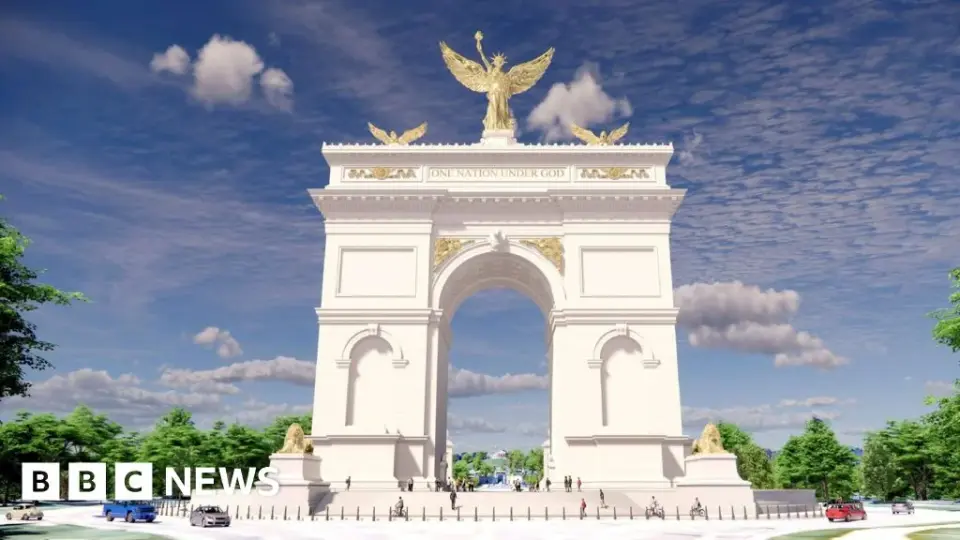
A federal judge has temporarily blocked construction of President Donald Trump’s proposed 250-foot triumphal arch in Washington, D.C., following a contentious approval by the National Capital Planning Commission. Judge Tanya Chutkan issued a 14-day restraining order, citing environmental, traffic, and safety concerns, as well as the administration’s late introduction of national security justifications. The White House criticized the ruling as 'activist,' while opponents, including veterans and Democratic lawmakers, vowed to continue opposing the project, which is intended to mark the nation’s 250th anniversary.
Key points
- Judge Tanya Chutkan issued a 14-day temporary restraining order halting construction of the 250-foot arch near Arlington National Cemetery.
- The National Capital Planning Commission, composed largely of Trump appointees, voted 8-4 to approve the project after nearly nine hours of public comment.
- Chutkan’s 33-page opinion criticized the administration for introducing national security arguments late in the process, noting they were absent from earlier planning documents.
- Opponents, including veterans and Democratic lawmakers, argue the arch will obstruct views of Arlington and the Lincoln Memorial, disrupt traffic, and lack proper congressional authorization.
- The White House defended the arch as a 'historic vision' and criticized the court’s ruling, while the administration had planned to begin construction immediately after the commission’s approval.
Background
The arch project, first proposed in October 2025, is part of Trump’s broader efforts to reshape Washington, D.C., including a $400 million White House ballroom and a golf course renovation. Previous legal challenges have slowed the project, with Judge Chutkan imposing strict notification deadlines in early November 2026. The arch is intended to commemorate the nation’s 250th anniversary and includes features like a golden Lady Liberty statue and military storage capabilities.
How outlets are covering it
The White House and its allies, including NCPC chairman Mark Paoletta, view the arch as a necessary tribute to veterans and a symbol of national identity, arguing it fulfills a century-old plan for a monumental structure. They criticized Judge Chutkan’s ruling as 'activist' and emphasized the arch’s role in national defense. In contrast, opponents, including veterans like Anne Wright and John Pomeroy, and Democratic lawmakers such as Jared Huffman, argue the arch will harm historic sites, disrupt traffic, and lack proper authorization. Huffman described it as a 'tribute to Donald Trump' rather than the nation. Rolling Stone highlighted Chutkan’s skepticism of the administration’s late national security claims, while NPR noted the arch’s potential to exacerbate environmental and safety issues. Yahoo emphasized the legal challenges and the administration’s push to proceed despite opposition.
Why it matters
The ruling highlights ongoing tensions between the executive branch and federal courts over major infrastructure projects in Washington, D.C. It also reflects broader political divisions, with Democrats in Congress, who gained control after the 2026 midterms, vowing to block the project. The case underscores concerns about the administration’s use of legal loopholes and the potential impact of large-scale construction on historic sites and public spaces. Additionally, the arch’s fate may influence future debates over presidential authority and the role of federal agencies in approving or blocking such projects.
What to watch
The 14-day restraining order will pause construction, but the administration may appeal or seek to expedite the process. Democratic lawmakers, including Jared Huffman, are expected to pursue legislative or legal measures to block the project, potentially citing the lack of congressional authorization. The White House has expressed confidence in winning the litigation, while opponents plan to continue protests and legal challenges. The outcome of the case could set a precedent for future infrastructure projects in Washington, D.C., and the role of federal courts in overseeing presidential initiatives.
- Judge blocks construction of Trump's massive arch after federal agency approval BBC
- Judge Promptly Blocks Work on Trump’s Triumphal Arch After It’s Approved The New York Times
- Trump Launches Triumphal Arch Website Right As Judge Blocks Construction Rolling Stone
- Judge halts construction of Trump's arch. And, Labor Department to release jobs report NPR
- Donald Trump’s 250-Foot Arch Wins Approval, but the Celebration Is Short-Lived Yahoo
Want the full story? Read the original reporting
Read on BBC