
Judge permanently bars Trump from refiling $10 billion WSJ defamation suit over Epstein letter
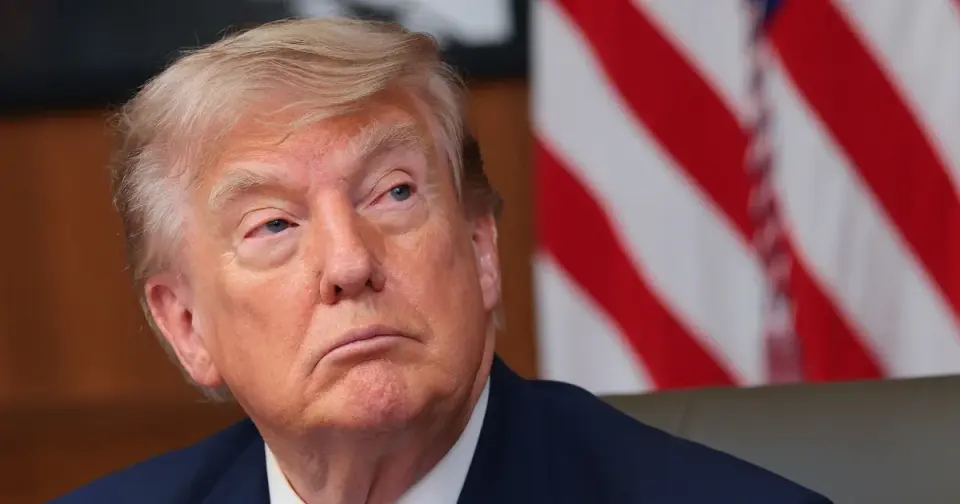
A federal judge in Florida permanently dismissed President Donald Trump’s $10 billion defamation lawsuit against The Wall Street Journal and Rupert Murdoch. The court ruled that Trump failed to prove the newspaper acted with 'actual malice' when reporting on a sexually explicit birthday letter allegedly sent to Jeffrey Epstein in 2003. Trump’s legal team plans to appeal, while Dow Jones expressed satisfaction with the ruling.
Key points
- U.S. District Judge Darrin P. Gayles dismissed the amended complaint with prejudice, preventing Trump from refiling the case in district court.
- The ruling follows an initial dismissal in April 2026, marking the second attempt by Trump to pursue the claim.
- The lawsuit centered on a July 2025 Wall Street Journal article detailing a 'bawdy' birthday card from Trump to Epstein, which Trump has consistently denied authoring.
- Trump’s legal team announced plans to appeal the decision, while Dow Jones spokespersons welcomed the court’s decision.
- The case is part of a broader pattern of Trump’s legal actions against media organizations, including a separate $10 billion suit against the BBC.
Background
This ruling follows a series of recent defamation dismissals involving Trump, including a September 2026 dismissal of a poll-related suit against the Des Moines Register. The current case stems from a 2025 Wall Street Journal article that reported on a birthday card allegedly sent by Trump to Jeffrey Epstein in 2003. Trump had previously sued the newspaper in July 2025, but the initial suit was dismissed in April 2026, allowing him to file an amended complaint.
How outlets are covering it
NBC News and The New York Times emphasized the judge’s finding that Trump failed to meet the high legal threshold of 'actual malice' required for public figures. CNBC highlighted Trump’s plan to appeal and the inclusion of Rupert Murdoch as a defendant, noting that Trump had personally contacted Murdoch to stop the article’s publication. The Guardian focused on the court’s rejection of Trump’s arguments that the Journal failed to adequately investigate the letter, noting that the newspaper included Trump’s denials in the original article. All sources agreed that the dismissal with prejudice bars Trump from refiling the case in district court, though they differed in emphasis on the legal precedent and the political implications of the ruling.
Why it matters
The dismissal with prejudice sets a significant legal precedent for defamation cases involving public figures, reinforcing the high bar of 'actual malice' required to succeed. It also highlights the ongoing tensions between Trump and media organizations, as he continues to pursue legal action against outlets that publish unfavorable reporting. The ruling may influence future cases where public figures attempt to suppress critical journalism through defamation claims.
What to watch
Trump’s legal team plans to appeal the ruling, potentially taking the case to a higher court. The outcome of the appeal could further shape the legal landscape for defamation claims involving public figures. Additionally, the case may influence public perception of the Wall Street Journal’s reporting standards and the credibility of the birthday letter in question.
- Judge dismisses Trump’s $10 billion defamation suit over Jeffrey Epstein birthday card story NBC News
- Trump defamation suit against Murdoch, WSJ over Epstein letter dismissed with prejudice CNBC
- ‘Grasping at straws’: Judge tosses Trump suit against Wall Street Journal for report on Epstein letter OregonLive.com
- Judge Tosses Trump’s $10 Billion Suit Against The Wall Street Journal The New York Times
- Judge dismisses Trump lawsuit against Wall Street Journal over Epstein birthday letter The Guardian
Want the full story? Read the original reporting
Read on NBC News