
Army Confirms Wednesday Detonation of Iowa Lead Explosives After Court Clears Path
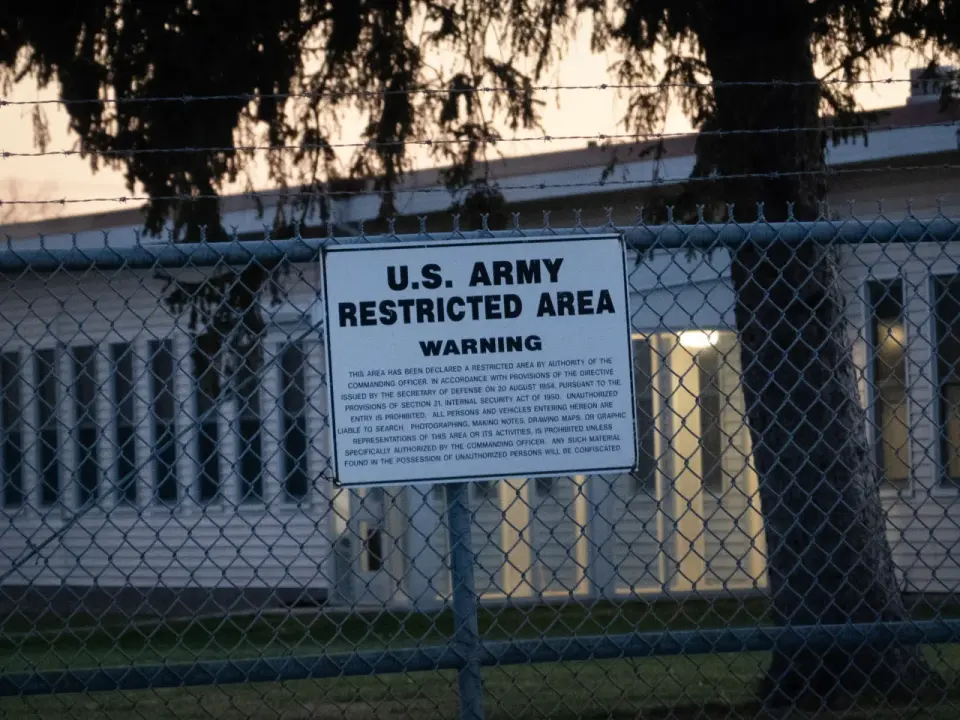
The U.S. Army will proceed with a controlled detonation of 68 drums of unstable lead azide at the Iowa Army Ammunition Plant in Middletown on Wednesday at 9 a.m. Central time. Acting Army Secretary Adam Telle confirmed the decision after the 8th Circuit Court of Appeals lifted a stay on the EPA’s permit. The operation involves approximately 4,500kg of degraded explosives, with FEMA advising evacuations for residents within five miles and indoor precautions for those up to 20 miles away. Critics argue the blast will release toxic lead dust, while officials cite the risk of spontaneous explosion due to cold weather and material crystallization.
Key points
- Acting Army Secretary Adam Telle announced late Monday that the detonation will proceed as scheduled on Wednesday, calling it a consensus decision among federal agencies and courts.
- The 8th Circuit Court of Appeals lifted a temporary stay on the EPA’s permit on Monday, removing the final legal obstacle after the Trump administration invoked emergency exemptions.
- FEMA advises that residents within five miles southwest of the plant may be evacuated, while those between five and 20 miles away should stay indoors with windows closed to avoid airborne lead dust.
- The stockpile consists of 68 drums containing nearly 4,500kg of lead azide, a chemical used in munitions, which has deteriorated due to crystallization in the storage barrels.
- Incoming Iowa Governor Rob Sands supported the expert-led decision but called for greater transparency regarding the information provided to the administration and the public.
Background
The Iowa Army Ammunition Plant, a 19,000-acre facility in Middletown, has a long history of environmental contamination, including its designation as an EPA Superfund site in 1990. The site was previously involved in nuclear weapons development and testing, leading to ongoing cleanup efforts and health compensation programs for former employees. The current crisis follows the discovery of deteriorating lead azide in 2009, with visible crystallization noted in March 2026. Previous detonations of lead azide at the site occurred in the 1970s, with reports indicating that 25% of the material became airborne during those events.
How outlets are covering it
The U.S. Army and EPA maintain that a controlled detonation is the safest option, as the lead azide is highly volatile and at risk of spontaneous explosion due to cold weather and crystallization. They argue that chemical neutralization or relocation would also trigger an uncontrolled blast. Conversely, environmental groups and local residents argue that the detonation will release a plume of toxic lead dust over homes, crops, and livestock, posing significant health risks, particularly to children and pregnant women. Incoming Governor Rob Sands supported the decision but criticized the lack of transparency, demanding that the administration disclose the information used to justify the action. The Trump administration initially paused the plan but later allowed it to proceed after the court lifted the stay.
Why it matters
The detonation highlights ongoing tensions between federal military operations and local environmental and public health concerns. The potential release of toxic lead dust could have long-term health impacts on residents and agricultural areas in southeastern Iowa. The legal battle and public outcry underscore the challenges of managing hazardous materials at legacy military sites, where historical contamination and current operational risks intersect. The decision also reflects the broader debate over the balance between immediate safety measures and long-term environmental stewardship.
What to watch
The Army will conduct the controlled detonation on Wednesday at 9 a.m. Central time, with data collection for pre- and post-detonation levels. FEMA will provide transportation, food, and water for evacuees. The Army has built water wells and gel blocks to mitigate the blast, and the lead azide is stored in earth-covered magazines with wooden doors designed to blow off during the detonation. Officials hope their mitigation efforts will reduce the percentage of lead azide that becomes airborne compared to previous detonations.
- US army says detonation of lead explosives in Iowa will proceed Wednesday Al Jazeera
- Army Will Blow Up Ammunition Cache in Iowa on Wednesday The New York Times
- Time set for Wednesday’s lead azide detonation KWQC
- People familiar with the Iowa ammunition plant see a complicated past Iowa Public Radio
- Army returns to plan to detonate stored explosives in Iowa Wednesday after appeals court OKs permit CNN
Want the full story? Read the original reporting
Read on Al Jazeera