
Judge permanently bars Trump's $10 billion WSJ lawsuit over Epstein birthday letter
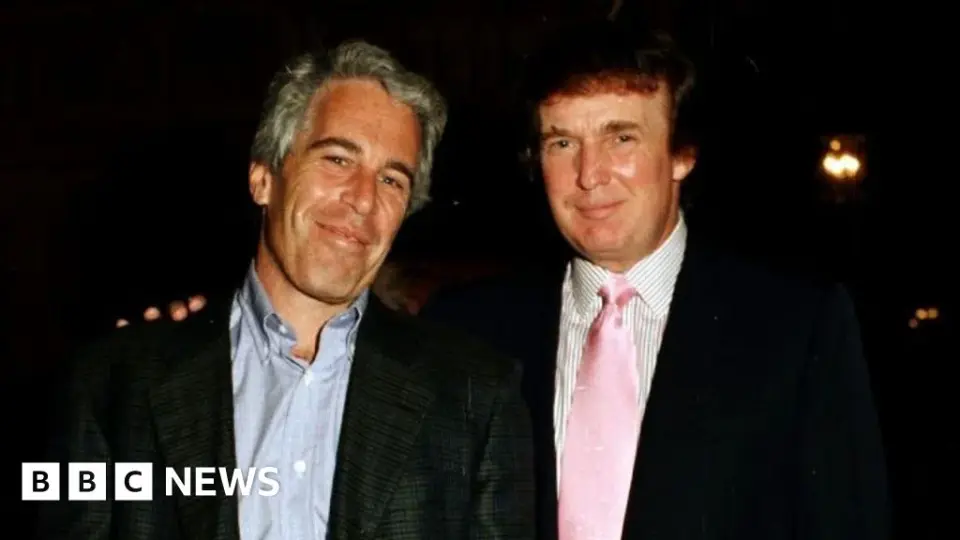
U.S. District Judge Darrin Gayles permanently dismissed President Donald Trump's $10 billion defamation lawsuit against The Wall Street Journal and Rupert Murdoch. The ruling, issued with prejudice, bars Trump from refiling the case in district court. Gayles ruled that Trump failed to prove the newspaper acted with 'actual malice' when reporting on a 2003 birthday letter allegedly sent to Jeffrey Epstein. Trump's legal team plans to appeal, while Dow Jones expressed satisfaction with the decision.
Key points
- Judge Darrin Gayles dismissed the amended lawsuit with prejudice, preventing any future refiling in district court.
- The suit alleged The Wall Street Journal defamed Trump by reporting on a sexually suggestive 2003 birthday letter to Jeffrey Epstein bearing Trump's name.
- Gayles ruled Trump failed to meet the high legal bar of 'actual malice' required for public figures to win defamation claims.
- The judge rejected Trump's argument that the newspaper should have withheld the story after he denied writing the letter, citing First Amendment protections.
- Trump's legal team announced plans to appeal the ruling, while Dow Jones, the newspaper's parent company, expressed satisfaction with the decision.
Background
This case is part of a broader pattern of Trump's legal actions against media outlets, including a $15 billion suit against The New York Times and a $10 billion suit against the BBC. The original $20 billion lawsuit was dismissed in April 2026 without prejudice, allowing Trump to refile. The current dismissal is the second attempt, leading to the permanent bar on refiling in district court.
How outlets are covering it
All sources agree on the core ruling and its implications. BBC and CNN emphasize the First Amendment implications and the judge's rejection of the argument that denial should block publication. CNBC highlights Trump's plan to appeal and the 'actual malice' standard. NBC News provides additional details on the letter's content and the newspaper's defense, noting that sending a bawdy letter is not inherently defamatory. The outlets differ slightly in emphasis: BBC and CNN focus on press freedom, while CNBC and NBC News focus on the legal standards and procedural details.
Why it matters
The ruling reinforces the high legal bar for public figures to win defamation claims and protects press freedom under the First Amendment. It also highlights the limits of using the courts to pressure media outlets, as the dismissal with prejudice prevents refiling in district court. The case may influence future media litigation and press freedom debates.
What to watch
Trump's legal team plans to appeal the ruling. The appeal could test the 'actual malice' standard and First Amendment protections in defamation cases involving public figures. The outcome may influence future media litigation and press freedom debates.
- Judge dismisses Trump's lawsuit against Wall Street Journal over Epstein birthday book BBC
- Trump defamation suit against Murdoch, WSJ over Epstein letter dismissed with prejudice CNBC
- Judge tosses Trump’s lawsuit against Wall Street Journal again, this time for good CNN
- Judge dismisses Trump’s $10 billion defamation suit over Jeffrey Epstein birthday card story NBC News
- Judge dismisses Trump lawsuit against Wall Street Journal over Epstein birthday letter The Guardian
Want the full story? Read the original reporting
Read on BBC