
Oleshky Evacuees Reunite with Families After 24-Hour Journey Through Russia and Belarus
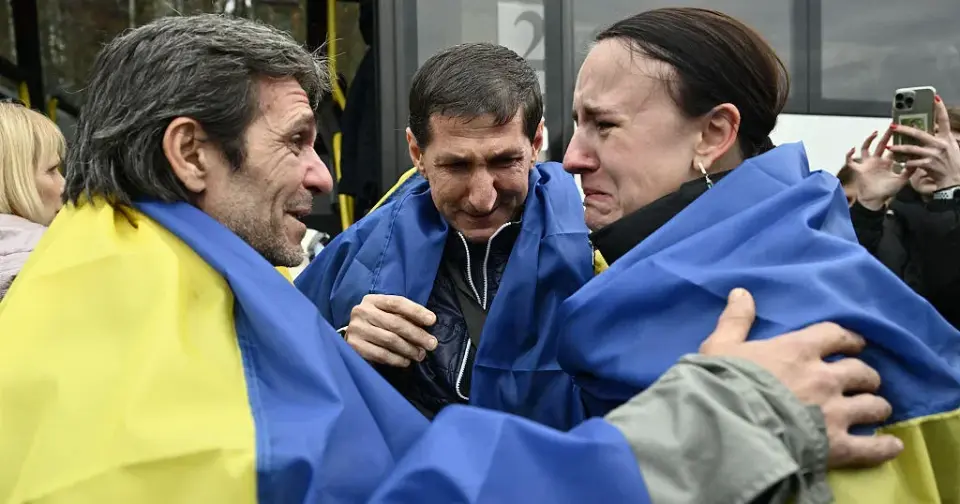
Hundreds of residents from the Russian-occupied Ukrainian city of Oleshky returned to Ukrainian-controlled territory on October 31, 2026, following a temporary ceasefire brokered by U.S. First Lady Melania Trump. The evacuees, who had endured months of severe food shortages and isolation, traveled by bus and plane through Russia and Belarus. While the mission provided immediate relief, fighting continued elsewhere, and the ceasefire was set to expire on November 1.
Key points
- The temporary ceasefire began at 3 a.m. on October 27 and was scheduled to end on October 31, allowing for a humanitarian evacuation.
- Approximately 750 people were evacuated from Oleshky, with the remaining residents offered the choice to stay with new supplies or move to Russian-held territory.
- The evacuation route involved a 24-hour journey from Oleshky to Anapa, Russia, then to Gomel, Belarus, and finally to the Ukrainian border.
- Ukrainian President Volodymyr Zelenskyy thanked Melania Trump and Pope Leo XIV for their roles in facilitating the evacuation and aid deliveries.
- Despite the localized truce, drone attacks continued in other regions, including strikes on energy infrastructure in Ukraine and casualties in Russia's Bryansk region.
Background
Oleshky, located in Ukraine's Kherson region, has been under Russian occupation since the start of the war. The town faced a severe humanitarian crisis in late 2025 and 2026, with residents reporting a lack of food, medicine, and electricity. Previous attempts to deliver aid via drone were often intercepted, and the town was isolated by mined roads and heavy fighting. The current evacuation is the first official large-scale exit from the city in four years.
How outlets are covering it
Outlets emphasized different aspects of the event. CBS News and The New York Times focused on the logistical details of the evacuation and the emotional reunions, noting the 24-hour journey through hostile territory. CNN highlighted the humanitarian impact, detailing the severe malnutrition suffered by evacuees and the role of Ukrainian Ombudsman Dmytro Lubinets, who personally escorted the group. Yahoo provided a brief summary of the reunions. All sources agreed that the ceasefire was temporary and that fighting continued elsewhere, with Zelenskyy reporting significant power outages in Kyiv and Dnipro regions due to Russian drone attacks.
Why it matters
The evacuation of Oleshky marks a significant humanitarian milestone in the Russia-Ukraine war, demonstrating that international pressure can facilitate civilian rescues even during active conflict. It highlights the dire conditions in occupied territories and the potential for temporary truces to alleviate suffering, though it does not resolve the broader war or the status of those who chose to remain in Russian-held areas.
What to watch
The ceasefire is set to expire on November 1, raising concerns about the safety of the remaining residents in Oleshky. Ukrainian authorities are monitoring the situation and may seek to replicate the evacuation model for other occupied areas. The broader conflict continues, with both sides reporting ongoing attacks on infrastructure and military targets.
- Residents evacuated from Russia-occupied Oleshky arrive back in Ukraine amid temporary U.S.-brokered ceasefire CBS News
- Reunited after 1,711 days: Oleshky evacuees return to Ukraine under Melania Trump-brokered ceasefire CNN
- Residents evacuated from Ukrainian village under siege reunited with their families amid truce Yahoo
- ‘We Are Coming From Hell’: A Ukrainian City’s Evacuees Tell Survival Stories The New York Times
- Evacuees from Russian-occupied Oleshky arrive in Ukraine via Belarus Al Jazeera
Want the full story? Read the original reporting
Read on CBS News