
Judge Reyes Halts Trump's East Potomac Golf Course Renovation for Two Weeks
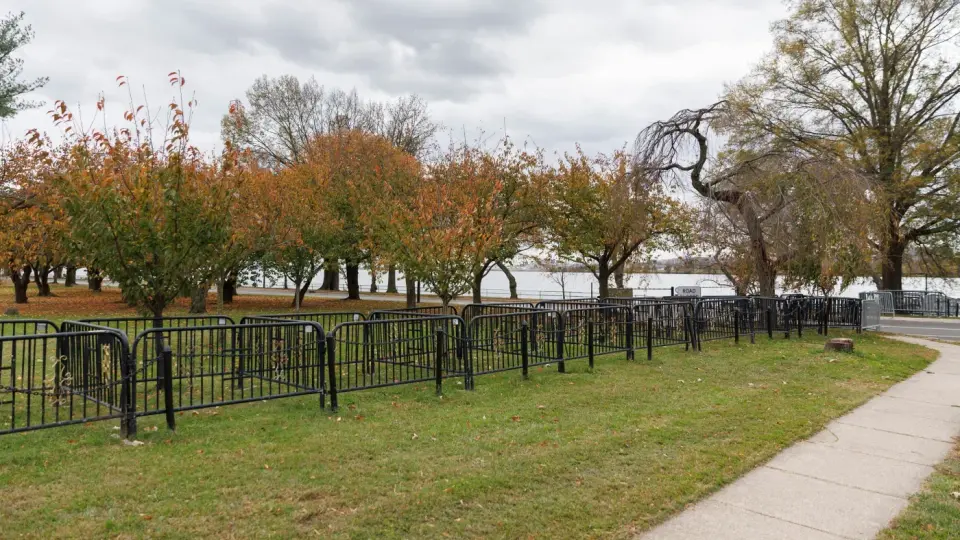
U.S. District Judge Ana Reyes issued a temporary restraining order on November 14, 2026, blocking the Trump administration from closing East Potomac Park in Washington, D.C., as planned for November 15. The order requires the park to remain open to the public for at least two weeks, halting the president's push to convert the historic site into a championship-level golf course. Reyes ruled that the government's stated safety reasons for the closure were pretextual and that the project likely violated federal environmental and procedural laws. The administration maintains the closure is necessary for safety and that planning for the new course can continue, while plaintiffs argue the renovation would destroy a beloved public space and make it unaffordable.
Key points
- Judge Ana Reyes issued a temporary restraining order on November 14, 2026, blocking the closure of East Potomac Park and its golf course, which was scheduled to close on November 15 for 15 months of renovations.
- The order requires the park to remain open to the public through November 28, 2026, or until further court orders, though it does not require the government to maintain active golf operations or concession services.
- Reyes ruled that the government's justification for the closure, citing safety concerns, was 'pretextual' and that the administration likely violated federal environmental laws and notice-and-comment requirements.
- The lawsuit was brought by the DC Preservation League and two local golfers, who argue the redevelopment would change the character of the accessible course and make it unaffordable, a claim denied by the Trump administration.
- The Justice Department stated that the ruling does not preclude planning for the development of a 'world class golf course' and that the National Park Service can limit access where public safety is at risk.
- Reyes has ordered an ethics investigation to determine whether Justice Department officials misled the court regarding the project's timeline and scope, following a dispute over the removal of over 400 trees without adequate notice.
Background
This ruling is the latest in a series of legal battles over Trump's efforts to remake Washington, D.C., landmarks, including a White House ballroom, a triumphal arch, and the renaming of the Kennedy Center. In October 2026, Reyes issued a preliminary injunction halting further tree removal after the administration felled approximately 400 trees without adequate notice, leading to a dispute over the judge's impartiality. The administration had submitted a $304.5 million proposal to the National Capital Planning Commission for the golf course overhaul, including a new seawall, in early November 2026.
How outlets are covering it
The Trump administration and the Justice Department argued that the closure was necessary for safety reasons, including repairs to a seawall, and that the president's social media announcements about the renovation were distinct from the government's decision to close the park. They maintained that the ruling did not stop planning for the new course and that the National Park Service could limit access where public safety was at risk. In contrast, the DC Preservation League and their legal representatives, including Democracy Forward, argued that the closure was a pretext to destroy a historic, accessible public space and that the administration had violated federal environmental and procedural laws. Judge Reyes sided with the plaintiffs, ruling that the government's safety claims were 'pretextual' and that the administration had failed to provide adequate notice and public comment, likely violating environmental laws. Reyes also expressed frustration with the administration's actions, including the removal of trees without notice, and ordered an ethics investigation into whether government lawyers had misled the court. Trump, in turn, criticized the judge and the park, calling it 'Trash Island' and asserting that the judge was blocking necessary repairs to a dangerous course.
Why it matters
The ruling highlights the ongoing tension between the Trump administration's ambitious efforts to reshape Washington, D.C., and the legal and procedural constraints imposed by federal courts. It underscores the role of the judiciary in checking executive actions, particularly when those actions involve significant public spaces and potential environmental impacts. The case also raises questions about the administration's adherence to federal laws and ethical standards, as evidenced by the ethics investigation ordered by Reyes. The outcome of this case could set a precedent for future challenges to the administration's other major construction projects in the nation's capital.
What to watch
The temporary restraining order is in effect through November 28, 2026, or until further court orders. The administration may appeal the ruling or seek to modify it, while the plaintiffs will likely continue to press for a permanent injunction. The ethics investigation ordered by Reyes, to be led by former U.S. attorney Jessie Liu, will determine whether Justice Department officials violated ethics or misled the court. The administration may also continue to argue that the closure is necessary for safety reasons, while the plaintiffs will likely emphasize the importance of preserving the park as a public space. The case is expected to remain a focal point of legal and political debate in the coming weeks.
- Judge temporarily blocks Trump from moving ahead on Washington public golf course redevelopment NPR
- US judge blocks Trump’s plan to renovate historic DC golf course The Guardian
- Judge temporarily blocks Trump’s plan to redevelop East Potomac golf course in D.C. NBC News
- Judge halts Trump plan to redevelop Washington, DC, golf course CNN
- The government says it will close a beloved D.C. park Sunday. Will a judge step in? NPR
Want the full story? Read the original reporting
Read on NPR