
Lula Clinches Historic Fourth Term in Brazil, Triggering Market Plunge and Diplomatic Rifts
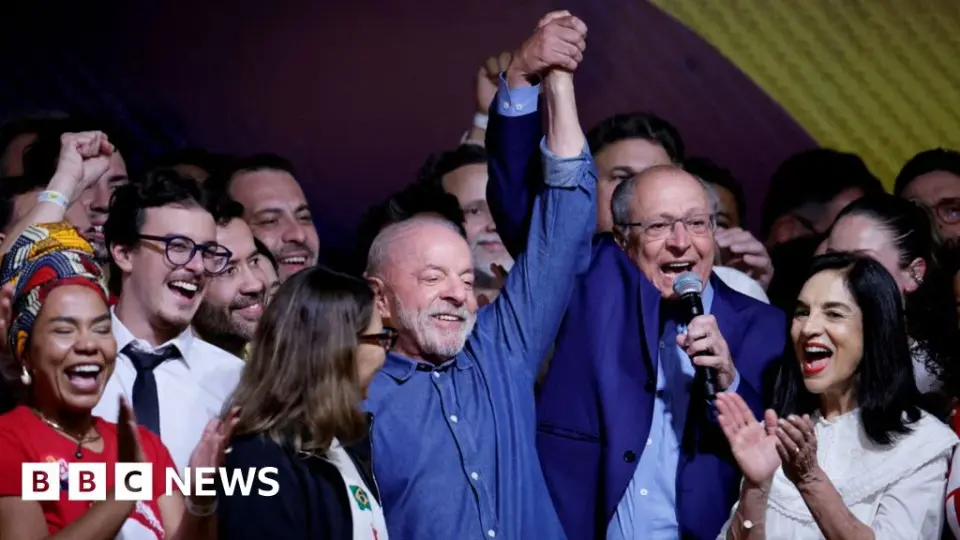
Brazilian President Luiz Inácio Lula da Silva has won a historic fourth term, defeating right-wing Senator Flávio Bolsonaro in a dramatic runoff. Lula secured 51.79% of the vote, reversing a first-round deficit and becoming the first president since 1985 to win after losing the initial vote. The victory halted a regional trend of right-wing gains but triggered a severe sell-off in Brazilian stocks and intensified tensions with the United States. Flávio Bolsonaro refused to concede, calling the result invalid, while Lula vowed to defend democracy and national sovereignty.
Key points
- Lula won with 51.79% of the vote against Flávio Bolsonaro’s 48.21%, a margin of 4.4 million votes.
- The result reversed a first-round deficit where Bolsonaro led with 47% to Lula’s 45%.
- Polls were extended by two hours on Sunday evening after requests from both campaigns regarding transport and weather issues.
- Flávio Bolsonaro refused to recognize the result, calling it 'inexplicable' and demanding annulment, though legal experts deem this unlikely.
- Brazilian stocks plunged, with the iShares MSCI Brazil ETF dropping 20% in early trading, reflecting fears over fiscal policy.
- Lula’s victory defied a regional trend of right-wing victories in Latin America and challenged US influence in the hemisphere.
Background
Lula, who turns 81 on Tuesday, has previously served two terms from 2003 to 2010 and again from 2023. His new term begins on January 5, 2030. The election followed a bitter campaign where Bolsonaro’s father, Jair Bolsonaro, was serving a 27-year prison sentence for a coup attempt. Previous archive coverage noted that Lula’s victory was seen as a significant setback for the Bolsonaro movement and US President Donald Trump, who had hoped for a pro-Trump ally in Latin America. The election also raised questions about Brazil’s fiscal outlook and the pace of future interest rate cuts, with investors viewing the outcome as having direct bearing on fiscal discipline.
How outlets are covering it
BBC and The Guardian emphasized the historic nature of Lula’s comeback, highlighting the unprecedented shift in voter turnout and the emotional reactions of supporters. The Guardian noted the environmental implications, with former environment minister Marina Silva expressing relief that Indigenous territories would be preserved. Yahoo Finance focused on the market reaction, describing the 20% drop in the iShares MSCI Brazil ETF as potentially the biggest single-day decline since the pandemic. Politico highlighted the diplomatic implications, noting that Lula’s win denied Trump greater sway over Latin America’s largest economy. All sources agreed on the final vote counts but differed in emphasis: BBC and The Guardian focused on the democratic and social implications, while Yahoo Finance and Politico highlighted the economic and geopolitical consequences. Flávio Bolsonaro’s refusal to concede was reported by all sources, but The Guardian added that he used the Portuguese word 'sacanagem' to describe the result, while BBC noted his call for annulment was deemed legally remote by experts.
Why it matters
Lula’s fourth term signals a significant shift in Latin American politics, countering a regional trend of right-wing victories. The result has immediate implications for global markets, with Brazilian stocks plunging due to fears over fiscal policy and interest rates. Diplomatically, the victory challenges US influence in the hemisphere, with Lula vowing that Brazil will not accept being anyone's backyard. The election also raises questions about the stability of Brazil’s democracy, as Flávio Bolsonaro’s refusal to concede could lead to political instability. Environmentally, Lula’s win is seen as a safeguard for the Amazon rainforest and Indigenous territories, which were at risk under a Bolsonaro administration. The outcome also has implications for Brazil’s relationship with the US, as Trump had previously shown support for Jair Bolsonaro and had accused Lula’s government of interfering in US affairs.
What to watch
Lula will take office on January 5, 2030, facing a hostile Congress and a divided country. Flávio Bolsonaro is expected to challenge the results legally, though experts deem annulment unlikely. The Brazilian government will need to establish a credible fiscal framework to stabilize markets and attract investment. Diplomatically, Lula will likely continue to assert Brazil’s sovereignty, potentially straining relations with the US. Environmentally, Lula is expected to implement policies to protect the Amazon rainforest and Indigenous territories. The election also raises questions about the future of Brazil’s political coalition and the pace of future interest rate cuts. Flávio Bolsonaro may flee to the US when his senate term runs out in February, as he faces federal police investigations over suspected misdeeds including money laundering.
- Lula wins fourth term in dramatic Brazil election comeback BBC
- Brazil heads back to the future as Flavio Bolsonaro refuses to recognize Lula win Reuters
- ‘Democracy always’: Lula vows no return to dictatorship in Brazil after election win The Guardian
- Brazilian stocks plunge after Lula's surprising election victory Yahoo Finance
- Lula wins reelection in historic runoff, setting up tense political battle Politico
Want the full story? Read the original reporting
Read on BBC