
Lula Secures Historic Fourth Term as Bolsonaro’s Party Concedes but Candidate Refuses to Accept Defeat
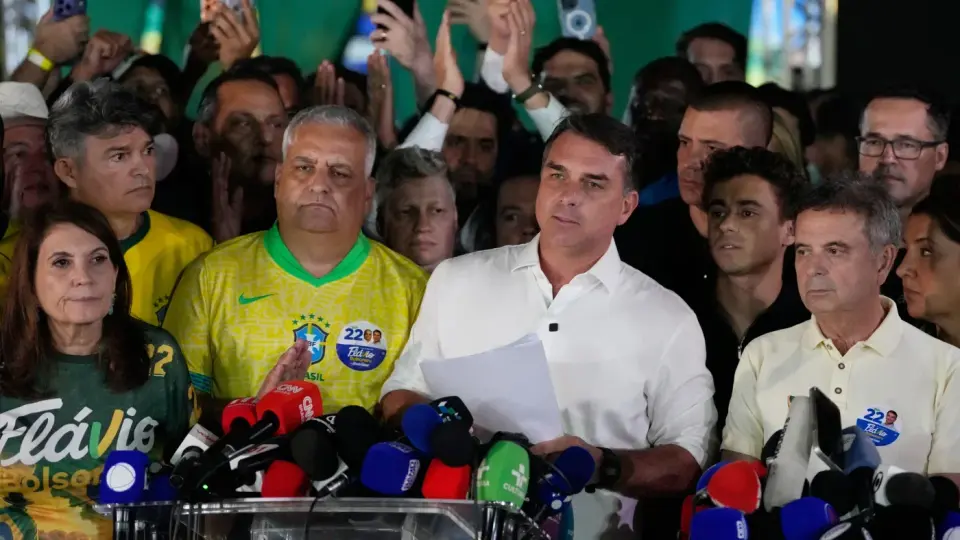
Incumbent President Luiz Inacio Lula da Silva won a historic fourth term, defeating Flavio Bolsonaro by over 4 million votes. While Bolsonaro’s party accepted the results, the candidate refused to concede, citing alleged irregularities. The victory reversed a first-round deficit and disrupted right-wing momentum in Latin America, though it triggered a sharp market sell-off and a tense standoff with the US.
Key points
- Lula won 51.8% of the vote against Flavio Bolsonaro’s 48.2%, securing approximately 64.2 million votes compared to Bolsonaro’s 59.8 million.
- This is the first time since 1988 that a first-round runner-up has won the presidential runoff, reversing a 2.2 million vote deficit from October 4.
- The Liberal Party acknowledged the results on Monday, but Flavio Bolsonaro refused to concede, shifting his legal challenge from annulment to disqualification based on alleged abuses of power.
- US President Donald Trump called the election 'rigged' without providing evidence, while Lula’s victory disrupted a trend of right-wing electoral gains across South America.
- Brazil’s stock market, the BOVESPA, plunged over 14% on election day, reflecting investor fears regarding Lula’s fiscal policies and public debt levels.
Background
Lula had trailed Bolsonaro in the October 4 first round, where Bolsonaro secured 47% to Lula’s 44.9%. Analysts had predicted a Bolsonaro victory, citing voter fatigue and polarization. Lula’s comeback was driven by increased turnout, particularly among youth and working-class voters, and a strategic shift to digital campaigning.
How outlets are covering it
NPR and BBC highlight the role of a WhatsApp channel with 10.8 million followers in mobilizing Lula’s base, while The American Prospect emphasizes policy interventions like increased cash transfers. BBC notes the market crash and fiscal concerns, whereas The American Prospect argues the market drop reflects speculative expectations of tax cuts for the wealthy rather than actual economic decline. All sources agree on the historic nature of the comeback but differ on the primary drivers, with some citing social media and others pointing to broader policy shifts and turnout increases.
Why it matters
Lula’s victory stabilizes the left-wing bloc in Latin America’s largest economy but creates a governance challenge due to a conservative Congress. The refusal of Bolsonaro to concede raises concerns about political stability, while the market reaction signals potential economic volatility. Internationally, the result complicates US-Latin America relations, as Trump’s interference claims clash with Lula’s assertion of sovereign independence.
What to watch
Lula must navigate a conservative Congress and address fiscal concerns to stabilize markets. Bolsonaro’s legal challenge is unlikely to succeed given the margin of victory, but his refusal to concede may fuel political unrest. Lula’s administration will focus on social programs and digital regulation, while Trump may pursue a pragmatic approach despite ideological differences.
- Bolsonaro's Party accepts Brazil election defeat, but he refuses to concede NPR
- Bolsonaro effectively concedes in Brazil after Trump suggests he won’t help The Washington Post
- World leaders congratulate Lula after Brazil election win as rival Flavio Bolsonaro refuses to concede BBC
- Lula’s Huge Win for the Left The American Prospect
- COMMENTARY: Lula's win in Brazil deals harsh blow to Trump’s ‘Donroe Doctrine’ Reuters
Want the full story? Read the original reporting
Read on NPR