
Minnesota arrests ICE officer Castro after Texas extradition standoff
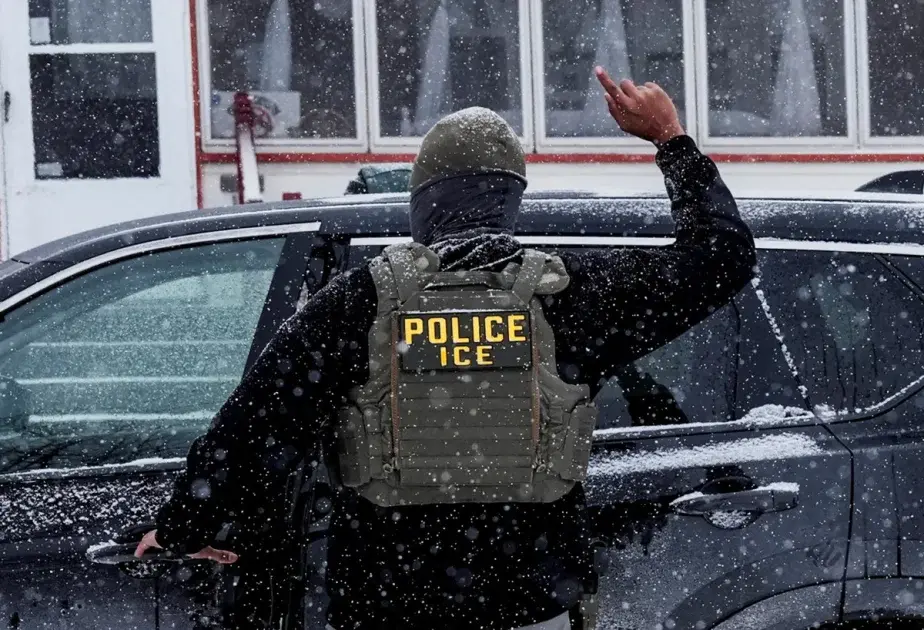
ICE officer Christian Castro was arrested in Minneapolis on Wednesday, ending a months-long legal battle with Texas over his extradition. Castro faces state charges for shooting a Venezuelan man in Minneapolis in January and lying about the incident, as well as federal charges for making false statements to investigators. The arrest followed a period where Texas Governor Greg Abbott refused to sign extradition papers, arguing Castro was not a fugitive but was reassigned by federal authorities. Minnesota officials had sued Abbott to force the handover, but a federal judge initially sided with Texas, leading to Castro's release from a Texas jail in August. He was subsequently re-arrested in Texas on federal charges and then taken into custody by Minnesota authorities in Minneapolis.
Key points
- Christian Castro, an ICE officer, was arrested in Minneapolis by the Minnesota Bureau of Criminal Apprehension on September 16, 2026.
- Castro faces four counts of second-degree assault and one count of falsely reporting a crime in Minnesota for shooting Julio Sosa-Celis in January 2026.
- He also faces federal charges for lying to investigators about the circumstances of the shooting, which occurred during Operation Metro Surge.
- Texas Governor Greg Abbott refused to sign extradition papers, arguing Castro was not a fugitive but was reassigned to Texas by the Department of Homeland Security.
- Minnesota Attorney General Keith Ellison sued Abbott in August, but a federal judge denied immediate extradition, leading to Castro's release from a Texas jail on August 27.
- Castro was released on bond in Texas on September 4 and was ordered to appear in a Minnesota federal court on September 18.
Background
This case has been a significant flashpoint in the ongoing tensions between Minnesota and Texas regarding immigration enforcement and legal jurisdiction. Earlier coverage highlighted the legal complexities surrounding Castro's status as a fugitive, with Texas arguing that his return was a federal reassignment rather than an attempt to flee prosecution. The dispute involved multiple court rulings and a lawsuit by Minnesota officials to prevent Castro's release, reflecting broader conflicts over state authority and federal immigration operations.
How outlets are covering it
The Texas Tribune and The Guardian emphasize the failure of Texas Governor Greg Abbott to shield Castro from accountability, with Minnesota officials celebrating the arrest as a victory. Abbott's spokesperson, Andrew Mahaleris, countered that Texas was applying the Constitution and that Minnesota lost in court by attempting to commandeer another state's authority. Fox 9 Minneapolis focuses on the procedural details of the arrest and the ongoing legal battles, noting that Castro's bail has been set at $200,000. The sources also highlight the broader context of Operation Metro Surge, which drew protests and clashes, and the fatal shootings of two US citizens by federal agents, adding to the political and social tensions surrounding the case.
Why it matters
The arrest of Christian Castro marks a significant development in the legal and political disputes between Minnesota and Texas over immigration enforcement and state jurisdiction. It highlights the challenges in enforcing state laws against federal agents and the complexities of extradition in cases involving federal reassignments. The case also underscores the ongoing tensions and public scrutiny surrounding ICE operations and their impact on communities, particularly in the context of Operation Metro Surge. The outcome of Castro's legal proceedings could have broader implications for how similar cases are handled in the future and the balance of power between state and federal authorities.
What to watch
Castro is expected to make his first state court appearance in Minneapolis on Thursday, September 17, and an initial appearance in a federal court in St. Paul on Friday, September 18. The legal proceedings will likely focus on the state charges of assault and falsely reporting a crime, as well as the federal charges of making false statements. The outcome of these proceedings could influence future cases involving federal agents and state jurisdictions, and may have broader implications for immigration enforcement policies and practices.
- ICE officer in Minnesota-Texas extradition fight arrested in Minneapolis The Texas Tribune
- ICE agent arrested in Minneapolis on charges of assault and false reporting of crime The Guardian
- ICE officer charged in non-fatal shooting arrested by Minnesota authorities Dallas News
- ICE Officer Christian Castro arrested in Minnesota FOX 9 Minneapolis-St. Paul
- ICE agent wanted in Metro Surge shooting is booked into Hennepin County Jail Star Tribune
Want the full story? Read the original reporting
Read on The Texas Tribune