
Thanksgiving Travel Faces Dual Storm Threats: Record Tides on West Coast, Nor'easter on East
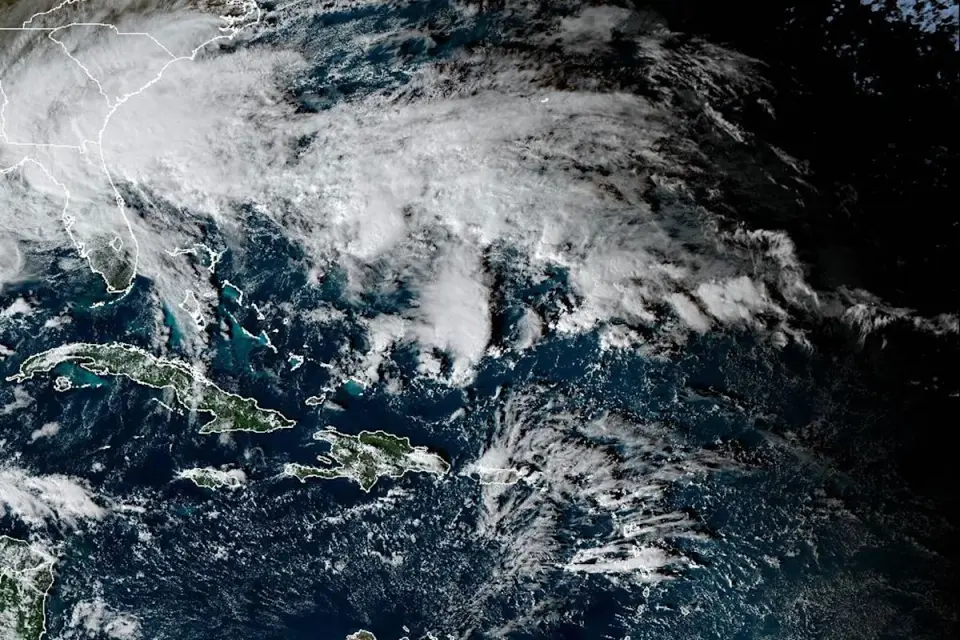
Millions of Americans face significant travel disruptions during the Thanksgiving holiday due to simultaneous storm systems on both coasts. The West Coast is bracing for record-breaking 'king tides' coinciding with heavy Pacific storms, while the East Coast faces a powerful nor'easter bringing heavy rain, strong winds, and coastal flooding. Forecasters warn that these conditions could cause widespread delays at major airports and ground outdoor events, including the 100th Macy's Thanksgiving Day Parade in New York City.
Key points
- AAA projects 81.5 million Americans will travel at least 50 miles between Nov. 24 and Nov. 30, with 5.96 million taking domestic flights.
- The National Weather Service issued a coastal flood warning for San Francisco and San Pablo Bay from Monday through Thursday, citing an 'extreme' risk of flooding due to the convergence of storms and the year's highest tides.
- A major storm is expected to move up the East Coast on Thanksgiving Day, bringing gusts of up to 50 mph and heavy rain from the mid-Atlantic to New England.
- Delta Air Lines resolved a nationwide outage on Sunday, marking the third major disruption to U.S. air travel in nine days.
- The 100th Macy's Thanksgiving Day Parade may be affected if sustained winds exceed 23 mph or gusts reach 34 mph, as per city regulations.
Background
Recent archive coverage highlights that this weather event is driven by a strong El Niño and warm ocean temperatures, which are amplifying tidal heights and storm intensity. San Francisco Mayor Daniel Lurie has previously declared the situation 'extremely serious,' urging residents to avoid travel and stock supplies as sea levels could exceed 9 feet, potentially breaking records set in 1983. Coastal flood warnings are in effect from the Pacific Northwest to Southern California, with infrastructure closures and emergency barriers being deployed.
How outlets are covering it
The Weather Channel and AccuWeather emphasize the potential for major travel delays at Northeast and West Coast hubs, noting that airline delays could expand from Orlando and Miami to Atlanta, Charlotte, and eventually New York and Boston. The New York Times highlights the 'super soaker' nature of the East Coast storm, predicting heavy rain from North Carolina to New England and damaging winds that could lead to beach erosion. AccuWeather notes that while rain is the primary concern, strong winds could cause sporadic power outages, impacting holiday preparations. All sources agree that the combination of high tides and storms creates a heightened risk for coastal flooding, particularly in low-lying areas.
Why it matters
The convergence of record tides and severe storms during the peak travel period poses significant risks to infrastructure, public safety, and economic activity. Widespread travel disruptions could affect millions of travelers and businesses preparing for the holiday season. Additionally, the potential for coastal flooding and beach erosion could have long-term environmental and economic impacts on affected communities.
What to watch
Forecasters expect the East Coast storm to weaken and move away by the weekend, though windy conditions and some rain or snow showers could linger in parts of New England and the eastern Great Lakes. Another storm could form in the East during the busy return weekend, while more Pacific storms could hit the West Coast. Travelers are advised to check forecasts for both departure and arrival cities and monitor flight status before heading to the airport.
- Thanksgiving travel forecast: Storms on both coasts could snarl busiest travel days; San Francisco braces for potentially record king tides Yahoo
- Powerful East Coast storm to unleash heavy rain, damaging winds to millions as holiday travel rush begins FOX Weather
- Thanksgiving Weather: Storm Maps and Forecast The New York Times
- Thanksgiving nor'easter could snarl travel, upend plans in East, Midwest AccuWeather
- Thanksgiving travel forecast 2026: storms on both coasts The Weather Channel
Want the full story? Read the original reporting
Read on Yahoo