
Musk’s $474M Midterm Spending Fails to Save Texas Republicans
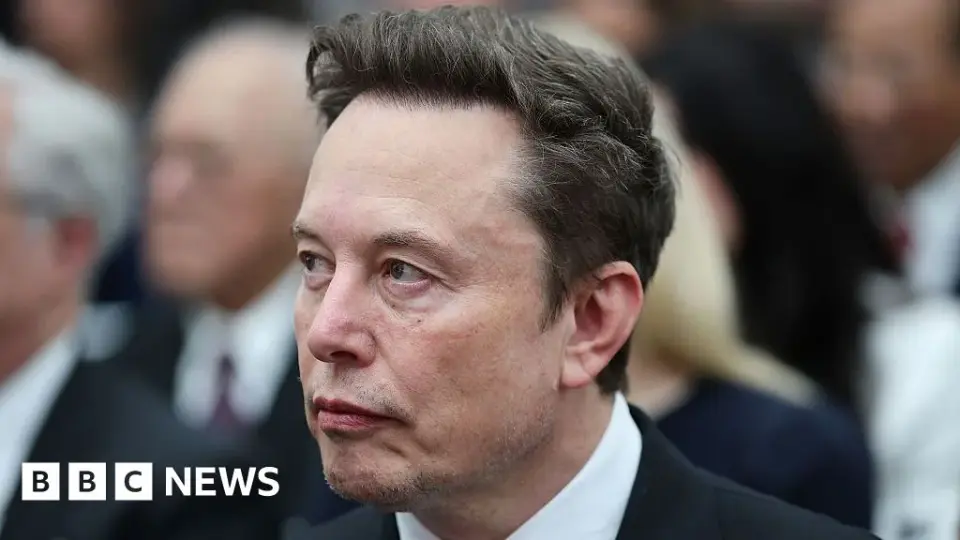
Elon Musk spent a record $474 million on the 2026 midterms, including $224 million in Texas, yet his favored Republican candidates lost decisively. Democrats won the Texas governorship and Senate seat, marking a major rejection of Musk’s influence. The results triggered market volatility and intensified scrutiny of AI data center expansion, with new Democratic leaders vowing to restrict corporate subsidies and energy costs.
Key points
- Musk’s America PAC spent nearly $87 million on 44 federal races, losing 29 contests and winning only three, with 93% of spending going to losing candidates.
- In Texas, Democrat Gina Hinojosa defeated Greg Abbott for governor, and James Talarico defeated Ken Paxton for Senate, ending 32 years of Republican dominance in statewide offices.
- Hinojosa campaigned against corporate subsidies and promised a moratorium on new data centers, directly challenging Musk’s business interests in the state.
- Broader tech stocks and Tesla/SpaceX shares dropped following the results, reflecting investor concern over increased regulatory scrutiny from a Democratic Congress.
- Voters nationwide rejected data center expansion, approving bans or restrictions in at least 10 local communities and spending $173 million on negative ads about the industry.
Background
Prior coverage noted that Musk’s spending was part of a record $2 billion influx from top donors into the 2026 cycle, with specific focus on protecting his Texas-based operations like Tesla and SpaceX. Earlier analyses suggested his strategy aimed to secure regulatory stability for his AI and semiconductor investments, but the outcome contradicted those expectations.
How outlets are covering it
CNBC emphasizes the financial failure of Musk’s strategy, highlighting that 93% of his spending went to losing races and framing the result as a rejection of billionaire influence. It details the market impact and the broader tech backlash, including losses for OpenAI and Andreessen Horowitz-backed candidates. The BBC focuses on the broader narrative of non-citizen voting claims by President Trump, contrasting them with rare proven cases, but does not detail the specific financial breakdown or market reactions as extensively as CNBC. Both sources agree on the Democratic victory in Texas but differ in emphasis: CNBC on economic consequences, BBC on electoral integrity narratives.
Why it matters
The results signal a potential shift in regulatory environments for tech giants, particularly regarding data center permits, tax incentives, and federal contracts. A Democratic-controlled Congress may investigate Musk’s past roles and business ties, while state-level changes in Texas could disrupt the AI infrastructure buildout estimated to cost $5 trillion by 2030.
What to watch
Democrats will likely push for stricter AI regulations and data center moratoriums at the federal and state levels. Hinojosa’s administration may face legislative hurdles from the Republican-controlled Texas Legislature but could complicate Musk’s expansion through permitting and tax policy. Market volatility may continue as investors reassess risks for tech companies tied to political influence.
- Elon Musk's millions fail to deliver Texas for the Republicans in fierce midterms BBC
- Elon Musk’s record election bet backfired. The backlash may reach beyond one billionaire CNBC
- Tesla, SpaceX Shares Take Early Hit as Midterm Blue Wave Unfolds Bloomberg.com
- Elon Musk jokes about GOP election defeat after spending record sums on party Yahoo
- Musk threw his fortune at the midterms. Voters handed him a stunning defeat. The Washington Post
Want the full story? Read the original reporting
Read on BBC