
Paraguay President Santiago Peña Resigns Amid Ueno Bank Collapse and Impeachment Push
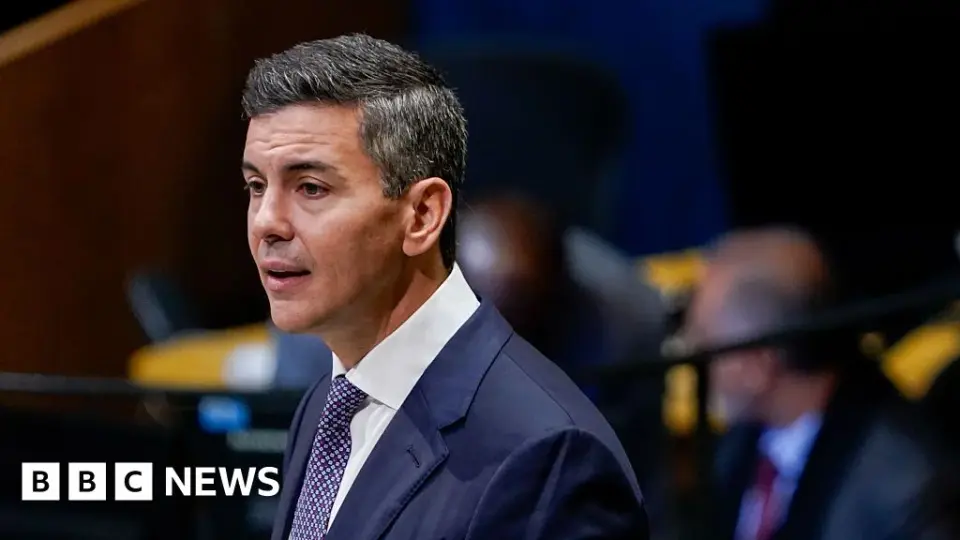
Paraguay President Santiago Peña announced his resignation following the collapse of digital lender Ueno Bank, which froze assets for roughly 3 million customers and triggered impeachment proceedings. The crisis stems from Peña’s prior business ties to the bank’s owners, leading to accusations of misconduct and conflicts of interest. Although Peña denied impropriety, he cited the need to protect democratic stability as his reason for stepping down. The central bank seized the institution after its capital fell below legal minimums, stranding public funds and pensions. Congress has approved a process to pay depositors, and a new central bank president has been appointed. Vice President Pedro Alliana is expected to succeed Peña, pending congressional acceptance of the resignation.
Key points
- President Santiago Peña resigned after the lower house of Congress voted to pursue an impeachment trial, citing the need to protect social peace and democratic institutions.
- Ueno Bank entered insolvency, freezing operations for approximately 3 million customers, which represents about 60% of Paraguay’s adult population.
- Lawmakers accused Peña of conflicts of interest and misconduct due to his status as a shareholder in the company that owned Ueno Bank until last year.
- The central bank seized the digital lender after its capital fell below legal minimums, locking out millions of users and endangering public funds, including pensions.
- Protests erupted in the capital, Asunción, demanding accountability for the loss of savings and pensions, while eight senior bank executives were detained.
- Congress approved a process to pay depositors, and a new president for the Central Bank of Paraguay has been appointed to manage the crisis.
Background
Paraguay has faced significant political instability following the seizure of Ueno Bank, a digital lender that held hundreds of millions in public deposits. The collapse exposed deep political connections between the bank’s owners and President Peña, who remained a business partner until 2025. Regulators guaranteed 97% of deposits up to $38,000, but recovery of larger sums, including major state pension investments, remains uncertain. The crisis has led to widespread protests in Asunción and a push for impeachment, with Vice President Pedro Alliana poised to succeed Peña if Congress accepts the resignation.
Why it matters
The resignation of President Peña highlights the severe consequences of financial mismanagement and political conflicts of interest in Latin America. The collapse of Ueno Bank not only disrupted the lives of millions of citizens but also exposed vulnerabilities in the banking sector and the integrity of public institutions. The crisis underscores the importance of regulatory oversight and transparency in financial dealings, particularly when public funds are involved. The political fallout may lead to broader reforms in banking regulations and political accountability in Paraguay.
What to watch
Congress must decide whether to accept Peña’s resignation, with Vice President Pedro Alliana expected to succeed him. The central bank will continue to manage the recovery of deposits and public funds, while prosecutors may pursue charges against bank executives and potentially Peña for misconduct. The political landscape in Paraguay may shift as the Colorado Party and other factions navigate the aftermath of the crisis, with potential implications for future elections and policy decisions.
Want the full story? Read the original reporting
Read on BBC