
Post-Midterm: GOP Faces Strategic Split Between Trump Loyalty and Policy Rebuilding
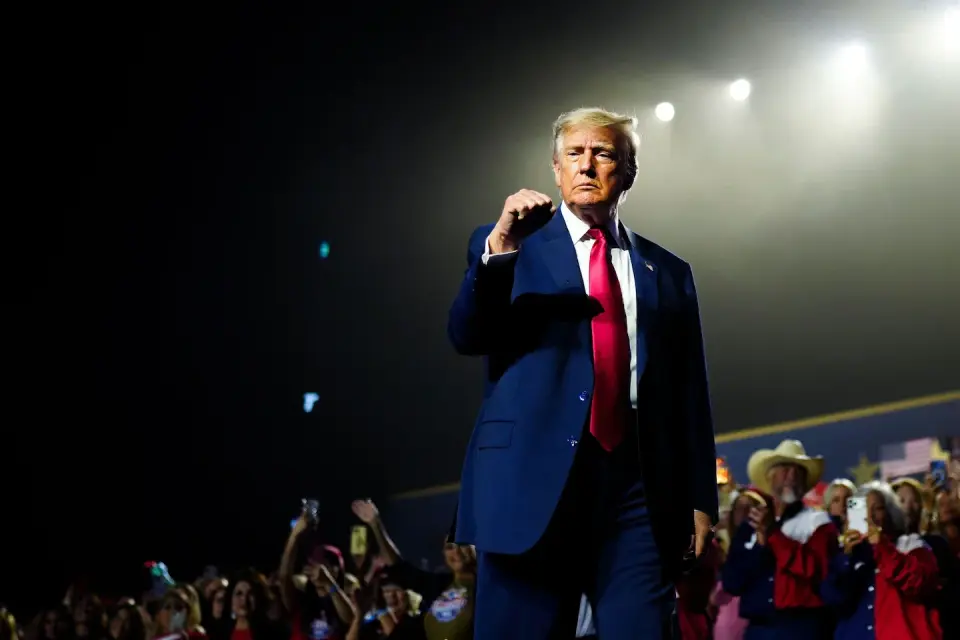
Following the loss of both chambers of Congress in the 2026 midterms, the Republican Party faces a critical juncture. While some leaders urge a return to traditional fiscal and regulatory principles, others insist on maintaining loyalty to President Trump’s agenda. The party is now divided between those seeking to rebuild through bipartisan compromise and those demanding continued adherence to the administration’s priorities.
Key points
- Republicans lost control of both the House and Senate in the November 2026 midterms, marking a significant defeat for the party.
- The Washington Post notes that despite 11 years of attempts to distance the party from Donald Trump, his influence remains dominant.
- John Kasich argues the party should rebuild around fiscal responsibility and include former loyalists like Christine Todd Whitman.
- Todd Starnes attributes the losses to broken promises on economic issues and a disconnect with voters on cost of living.
- Starnes predicts a 'civil war' between establishment Republicans and the America First base, criticizing leaders like John Thune.
- Democrats now control Congress and are expected to launch investigations, though bipartisan cooperation on immigration and healthcare is suggested.
Background
In the final weeks before the 2026 midterms, President Trump’s erratic actions, including controversial proposals and attacks on fellow Republicans, disrupted party messaging. Earlier in 2026, the administration had also linked rural health funding to the repeal of hospital regulations, a move that drew criticism. The party had struggled with internal tensions as Trump’s unpredictable initiatives forced candidates to abandon core messages on taxes and healthcare costs.
How outlets are covering it
The Washington Post emphasizes the enduring, difficult-to-sever link between the GOP and Trump, noting that previous efforts to distance the party have failed. MS NOW, through John Kasich, frames the loss as an opportunity to rebuild the party around traditional conservative values like fiscal responsibility and bipartisan cooperation, urging the inclusion of moderate voices. KOMO, citing Todd Starnes, focuses on the failure to deliver on economic promises and the resulting alienation of voters, predicting internal conflict between establishment figures and the party’s base. While the Post highlights the structural challenge of Trump’s dominance, the other sources focus on the immediate political consequences and strategic options for the party.
Why it matters
The loss of congressional control forces the Republican Party to decide whether to continue aligning with President Trump’s agenda or pivot toward traditional policy positions. This decision will shape the party’s future influence, its relationship with the administration, and its ability to respond to economic and social issues facing voters. The outcome also determines the tone of the next two years of congressional governance, including potential investigations and legislative priorities.
What to watch
Democrats will likely initiate investigations into the Trump administration’s actions. Republicans must decide whether to cooperate on bipartisan issues like immigration and healthcare or continue to oppose the administration. Internal party debates over strategy and leadership are expected to intensify, potentially leading to further divisions between establishment and base factions.
- The GOP needs to move on from Trump. That’s easier said than done. The Washington Post
- Republican wipeout: Trump created too many problems for himself and his party The Hill
- Opinion | Trump’s Republican Carnage WSJ
- Opinion | Republicans lost big. Now they have a once-in-a-lifetime opportunity. MS NOW
- GOP losses reflect failed promises & party divisions says, veteran journalist, broadcaster KOMO
Want the full story? Read the original reporting
Read on The Washington Post