
Springfield Haitian Community Marches to Ohio Statehouse Amid Deportation Crisis
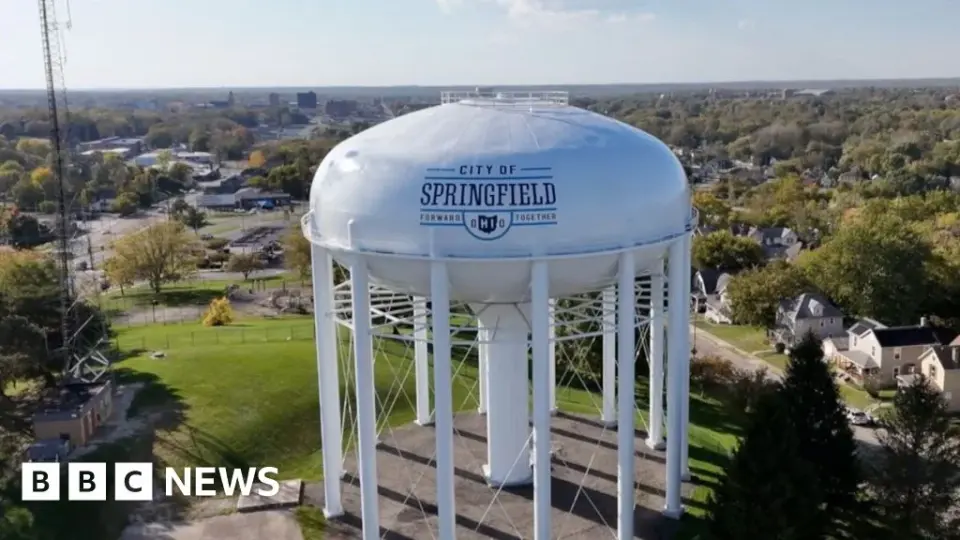
Springfield, Ohio, is central to the US midterm election debate over immigration. The Trump administration ended Temporary Protected Status (TPS) for Haitians, leading to mass deportations and ankle monitoring. A 20-year-old man died by suicide after being fitted with a monitor. Residents are now marching to Columbus to demand an end to these policies, while deportees face severe hardship in Haiti.
Key points
- The US Supreme Court upheld the Trump administration's decision to end TPS for approximately 350,000 Haitians in June 2026.
- Springfield, Ohio, has seen a significant decline in its Haitian population, which was estimated at 20,000 five years ago.
- Pierre Damas Bel, a 20-year-old TPS holder, died by suicide in August 2026 after being fitted with an ankle monitor by ICE.
- Deportation flights to Haiti have accelerated to a weekly schedule, with 766 people deported since August 2026.
- Haitian residents in Springfield are planning a 40-mile march to the Ohio statehouse from October 21-24 to protest ICE operations.
Background
Springfield, Ohio, became a national symbol of immigration policy in 2024 when President Trump made false claims about Haitian immigrants eating pets. The town had experienced decades of industrial decline before a surge in Haitian migration following the 2010 earthquake and 2021 political unrest. Many migrants arrived under Biden-era programs and later received TPS, which allowed them to work legally in low-wage jobs. The 2026 midterm elections have intensified the political focus on the town, with Trump visiting Ohio to rally support for his deportation drive.
How outlets are covering it
BBC and Cincinnati Enquirer emphasize the human cost of the policy, highlighting the suicide of Pierre Damas Bel and the community's planned march to protest 'cruel' policies. USA Today focuses on the conditions in Haiti, noting that deportees face gang violence, hunger, and a lack of reintegration support, with 766 people deported since August. The Trump administration and DHS argue that ending TPS was necessary to uphold the rule of law, describing it as a 'de facto amnesty' and emphasizing the removal of 'worst of the worst' offenders. Local residents like Rick Johnson support the deportation drive, citing concerns about traffic and rapid demographic change, while others, like Nathan Clark, criticize the politicization of accidents.
Why it matters
The situation in Springfield illustrates the broader impact of the Trump administration's immigration enforcement on communities across the US. The revocation of TPS has left hundreds of thousands of Haitians in legal limbo, facing deportation to a country with severe security and humanitarian crises. The political fallout is significant, as Ohio is a swing state in the 2026 midterms, and the issue is likely to influence voter turnout and policy debates. The human toll, including suicides and family separations, highlights the ethical and legal challenges of the current enforcement strategy.
What to watch
The 40-mile march from Springfield to Columbus is scheduled to conclude on October 24 with a rally demanding the end of ankle monitoring and ICE presence. Deportation flights to Haiti are expected to continue weekly, with approximately 200 people per flight. Congress is considering legislation to restore TPS for Haiti, but a bill passed in April has stalled in the Senate. The political outcome of the 2026 midterms will likely determine the future of the administration's immigration enforcement policies.
- Haitian migrants changed this town - Trump's deportation drive is reshaping it again BBC
- ‘Not a safe place’: Deported Haitians face violence, uncertainty USA Today
- Haiti Deportation Crisis PBS
- Springfield residents to march 40 miles, demand end to 'cruel' policies Cincinnati Enquirer
- Yellow Springs cinematographer contributes to PBS documentary on Haitians in Springfield WYSO
Want the full story? Read the original reporting
Read on BBC