
Supreme Court Lifts Ban on SAVE Database for Voter Checks
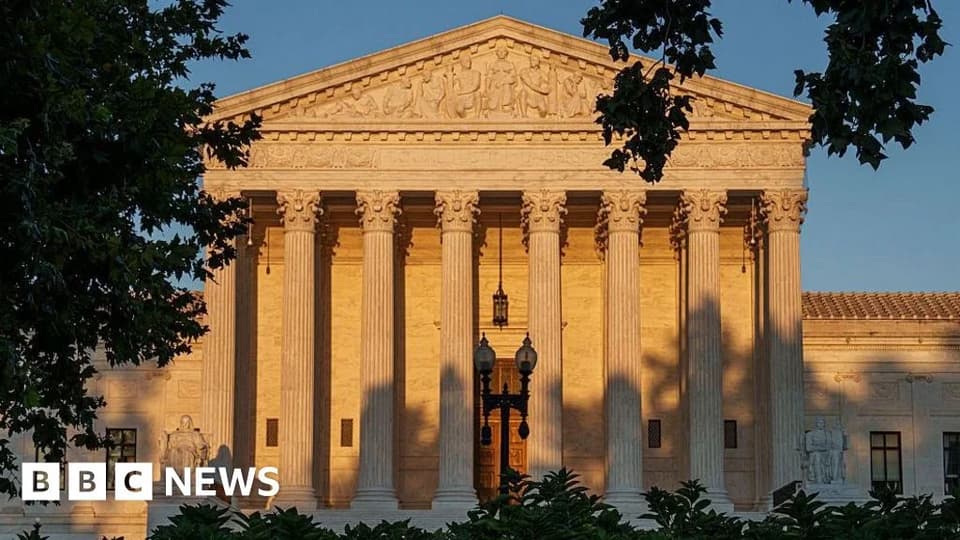
The US Supreme Court ruled 6-3 to allow the Trump administration to use the expanded SAVE database, which includes Social Security data, to verify voter citizenship. The decision reverses a lower court injunction but limits mass purges near elections. Critics warn of errors that could disenfranchise citizens, while supporters argue it is necessary to remove non-citizens.
Key points
- The Supreme Court permitted the Department of Homeland Security to use the SAVE program for individualized voter citizenship checks.
- The ruling reverses a June 2026 decision by Judge Sparkle Sooknanan that blocked the tool over privacy concerns.
- The National Voter Registration Act still prohibits mass voter purges within 90 days of an election, limiting immediate impact.
- Three liberal justices dissented, warning that the system risks wrongly removing eligible voters.
- Twenty-seven states currently use the SAVE system to check voter citizenship.
Background
In June 2026, a federal judge blocked the expanded SAVE database, citing privacy violations. The Trump administration appealed to the Supreme Court in August, seeking to use Social Security data for bulk voter roll audits. This follows earlier disputes over mail-in ballot restrictions and birthright citizenship orders.
How outlets are covering it
The Washington Post and CNN emphasize the legal victory for the Trump administration and the potential for states to use the tool. The BBC highlights the dissenting opinion of Justice Ketanji Brown Jackson and the concerns of voting rights groups like the League of Women Voters. While all sources agree on the 6-3 ruling, the BBC and CNN note that the National Voter Registration Act limits mass purges, whereas the Post focuses on the inclusion of Social Security data. Critics argue the system is error-prone, citing Texas and Utah cases where many flagged individuals were confirmed citizens, while supporters like Georgia Secretary of State Brad Raffensperger defend the accuracy of state-level vetting.
Why it matters
This ruling impacts the integrity of the 2026 midterm elections by allowing federal data to be used for voter eligibility checks. It raises concerns about privacy and the potential for disenfranchisement of eligible voters, while supporters argue it is essential for preventing non-citizen voting. The decision sets a precedent for how federal and state governments can interact on voter registration data.
What to watch
The Supreme Court will review a case regarding whether the 90-day ban on mass purges applies to non-citizen removals. States may begin using the SAVE database for individual checks, though mass purges remain restricted near election day. Voting rights groups plan to challenge the implementation to protect voter privacy and rights.
- Supreme Court allows Trump to use SAVE database to check voter citizenship BBC
- Supreme Court Allows Use of Trump Administration’s Expansive Database for Voter Screening The New York Times
- Supreme Court Greenlights Controversial Voting Database—What That Means For The Midterms Forbes
- Government can use Social Security data to identify noncitizen voters, Supreme Court rules The Washington Post
- Supreme Court says states can use controversial citizenship data tool for voter audits in win for Trump CNN
Want the full story? Read the original reporting
Read on BBC