
Supreme Court resumes third-country deportations, sets December hearing
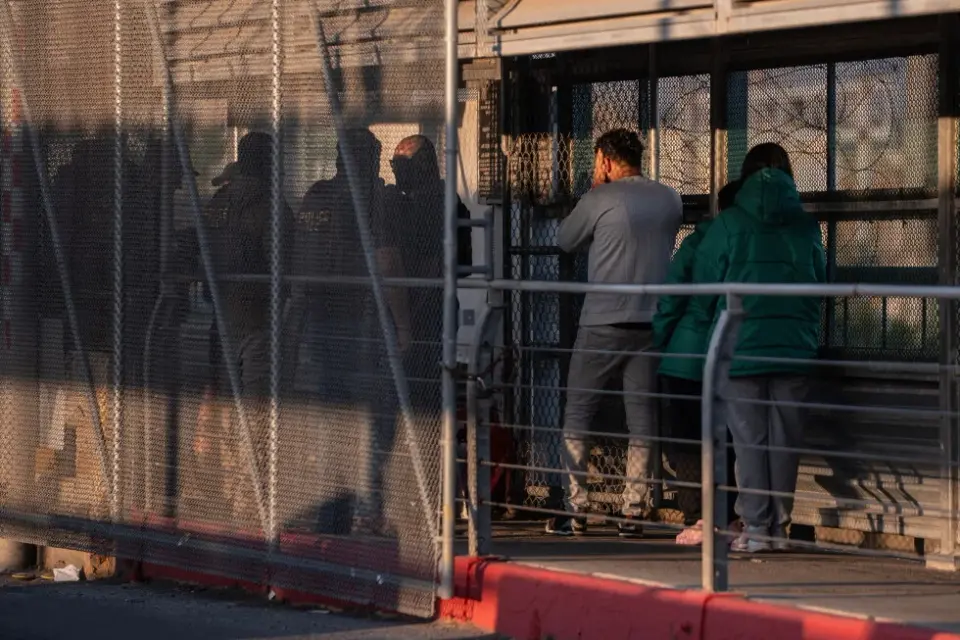
The Supreme Court has temporarily allowed the Trump administration to resume deporting migrants to third countries, overriding a lower court ruling that required due process protections. The court scheduled oral arguments for December, with a final decision expected by July. This is the third time the high court has intervened in this dispute, with liberal justices dissenting.
Key points
- The Supreme Court issued an unsigned order allowing the Trump administration to continue third-country deportations, overriding a ruling by U.S. District Judge Brian Murphy.
- The court scheduled oral arguments for December, with a final decision expected by July 2027.
- The three liberal justices, Sonia Sotomayor, Elena Kagan, and Ketanji Brown Jackson, dissented from the decision to allow the policy to continue.
- The policy, launched in 2025, has resulted in the removal of approximately 25,000 migrants to countries like South Sudan, Eswatini, and Rwanda.
- The legal dispute centers on whether migrants must be given notice and a chance to raise concerns about potential torture or persecution before being deported to a third country.
Background
This is the third time the Supreme Court has intervened in this dispute. In June 2025, the court allowed the policy to continue over the dissent of the three liberal justices. In July 2025, the court clarified its decision to apply to a specific group of migrants held in Djibouti. In February 2026, Judge Murphy issued a final judgment striking down the policy, which was upheld by the 1st Circuit Court of Appeals in September 2026 before the Supreme Court stepped in again.
How outlets are covering it
AP News and NBC News report that the policy is a 'critical tool' for immigration enforcement, while immigrant rights groups argue it violates the Convention Against Torture. CNN notes that the administration has faced difficulty deporting migrants to their home countries, leading to the third-country policy. SCOTUSblog highlights the legal questions surrounding the due process rights of migrants. The White House and DHS officials have defended the policy as lawful, while critics argue it exposes migrants to serious safety risks.
Why it matters
The decision allows the Trump administration to continue a controversial policy that has relocated tens of thousands of migrants to countries where they have no ties. The final decision by the Supreme Court could have significant implications for immigration enforcement and human rights protections.
What to watch
The Supreme Court will hear oral arguments in December 2026. A final decision is expected by July 2027. The administration may continue to deport migrants to third countries in the meantime, while the legal battle continues.
- Supreme Court lets quick deportations to third countries resume for now while it weighs Trump policy AP News
- Supreme Court allows Trump to restart controversial deportations to countries that migrants have no connection to CNN
- Supreme Court allows Trump’s ‘third country’ deportation policy NBC News
- Supreme Court lets Trump resume deporting migrants to countries not their own reuters.com
- Supreme Court to hear argument on Trump administration’s deportation of immigrants to third-party countries SCOTUSblog
Want the full story? Read the original reporting
Read on AP News