
Trump Abandons Iran Nuclear Deal, Orders Vance to Focus on Domestic Fraud
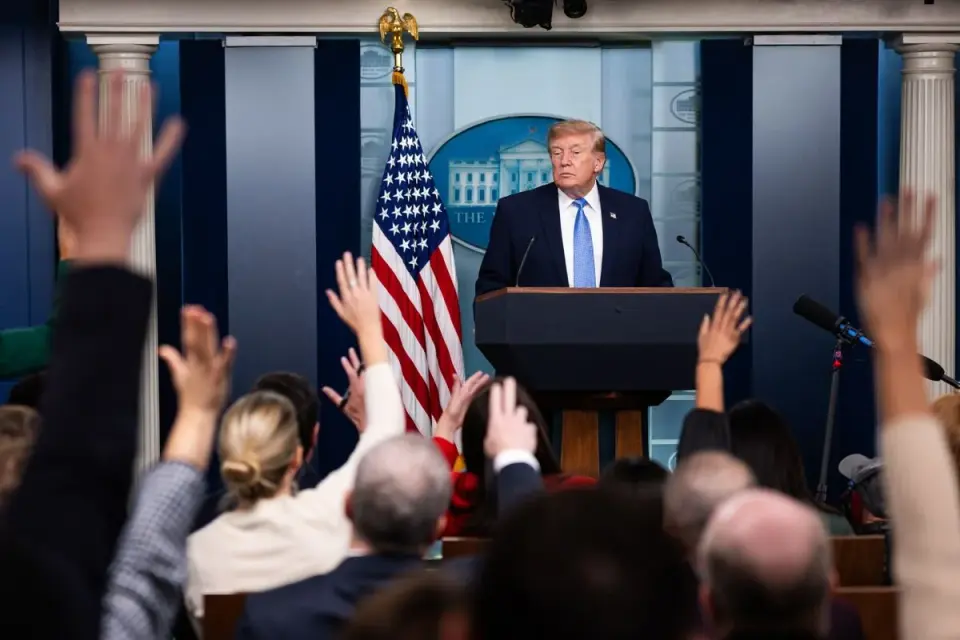
President Donald Trump has halted negotiations with Iran, declaring that a deal is unnecessary and directing Vice President JD Vance to focus exclusively on investigating fraud in Democratic-led jurisdictions. This decision follows Republican losses in the November midterms, which Vance blamed on the ongoing eight-month conflict. While Trump maintains that the war is 'militarily over,' he retains the option to resume strikes if diplomatic efforts fail, leaving the conflict in a state of indefinite limbo.
Key points
- Trump stated on social media that 'those days' of negotiating with Iran have passed, removing Vance from peace talks.
- Vance, who led previous ceasefire negotiations, publicly blamed the Iran war for Republican midterm losses, calling the cost of losing the Senate 'worthwhile' only if one argues it was justified.
- Trump redirected Vance’s attention to his anti-fraud task force, targeting corruption in Minnesota, California, and Illinois.
- Oil markets reacted negatively to the uncertainty, with stocks sinking as investors questioned the end of the conflict.
- Iran’s parliament speaker, Mohammad Bagher Qalibaf, claimed the US sought Russian mediation, a claim the White House did not confirm or deny.
Background
The US and Israel began bombing Iran eight months ago to prevent nuclear proliferation, leading to a prolonged conflict that has strained global energy supplies. Recent diplomatic efforts, including mediation by Qatar and stalled talks over sanctions relief, have failed to produce a breakthrough. In late October, Treasury Secretary Scott Bessent claimed US sanctions were causing Iran’s economy to collapse, though experts disputed this. Just days ago, Trump and Israeli Prime Minister Benjamin Netanyahu clashed over strategy, with Israel urging regime change while Trump favored continued pressure. The current decision to abandon formal talks follows a period where Trump indicated renewed strikes were 'highly unlikely' if diplomatic progress occurred, but now suggests a strategy of maintaining pressure without a formal agreement.
How outlets are covering it
Bloomberg emphasizes Trump’s new strategy of leaving the conflict in limbo without a formal deal, highlighting the shift from nuclear limitations to indefinite pressure. The New York Times focuses on the political pivot, noting Trump’s decision to redirect Vance’s efforts toward domestic fraud investigations in Democratic areas, deepening questions about the administration’s endgame. AP News provides a broader view, detailing the economic impact on oil markets and the maritime security risks in the Strait of Hormuz, where tankers are now relying on US Navy escorts. It also highlights the internal GOP tension, with Vance blaming the war for electoral losses. Axios notes the market volatility and Trump’s simultaneous threats regarding tariffs and legislation, framing the Iran decision as part of a broader political maneuvering to distract from midterm failures. While all sources agree on the cessation of talks, they differ on the emphasis: Bloomberg and AP focus on the geopolitical stalemate, while NYT and Axios highlight the domestic political consequences and Vance’s potential 2028 presidential ambitions.
Why it matters
The decision to abandon formal negotiations signals a shift from seeking a definitive end to the Iran conflict to a strategy of sustained pressure and economic strangulation. This approach risks prolonging instability in the Strait of Hormuz, a critical global oil chokepoint, and could exacerbate inflationary pressures. Domestically, it reflects the administration’s attempt to pivot from a unpopular foreign policy to domestic issues following significant electoral losses. The move also raises questions about the future of US-Iran relations, as Iran’s leadership has indicated readiness for both negotiation and war, while international partners like the G7 express concern over maritime security.
What to watch
Markets will likely remain volatile as investors assess the long-term implications of an unresolved conflict. The US Navy will continue escorting tankers through the Strait of Hormuz, where recent attacks on vessels have increased. Diplomatically, Iran may respond to the lack of engagement by escalating rhetoric or actions, while the US retains the option to resume strikes if it detects activity at Iran’s nuclear facilities. Domestically, Vance’s anti-fraud campaign will intensify, potentially drawing scrutiny from Democrats who now control Congress. The administration may also revisit its stance on tariffs and legislation as it seeks to regain political momentum.
- Trump Bets Shaky Iran Status Quo Will Hold After Midterm Loss Bloomberg.com
- Trump Says He’s Pulling Vance Off Iran Talks to Focus on Fraud Campaign The New York Times
- Trump bluntly tells JD Vance to shift focus from Iran to targeting 'corruption and crime' at home AP News
- Trump says no deal needed with Iran, closes down Vance negotiations The Washington Post
- Trump orders Vance to focus on "corruption" in Democrat-run areas, not Iran Axios
Want the full story? Read the original reporting
Read on Bloomberg.com