
Trump concedes deportation drive was 'too tough' but promotes hardliner Miller
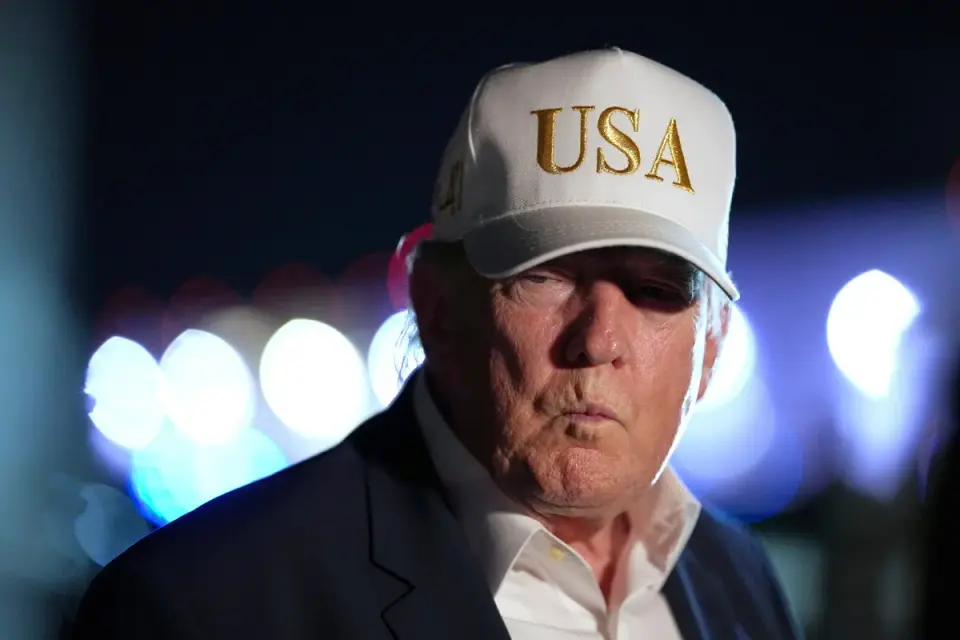
President Trump admitted in his first post-midterm interview that his aggressive deportation policy was 'too tough' and contributed to Republican losses, yet he simultaneously promoted immigration hardliner Stephen Miller to White House chief of staff. While expressing openness to a deal with Democrats to allow long-term residents to stay, Trump blamed 'bad messaging' and the Iran war for the GOP defeat, while defending his personal wealth and refusing to forgive political enemies.
Key points
- Trump stated his deportation policy was 'too tough' and hurt his party in the 2026 midterms, suggesting a potential deal with Democrats to allow workers in sectors like hospitality and landscaping to remain.
- Hours after taping the interview, Trump appointed Stephen Miller, the architect of his hard-line immigration agenda, as the new White House chief of staff, replacing Susie Wiles.
- Senate Democratic Leader Chuck Schumer criticized the appointment as a 'promotion' rather than a course correction, noting the contradiction between Trump’s concessions and his staffing choices.
- Trump blamed 'bad messaging' and the Iran war for Republican losses, though he defended the war as necessary to prevent Iran from acquiring nuclear weapons.
- The new Democratic Congress has prioritized oversight of Immigration and Customs Enforcement and the Department of Homeland Security, following incidents where two U.S. citizens were killed by federal officers during protests.
Background
This interview follows the 2026 midterm elections, where Democrats regained control of both the House and Senate, marking a significant shift in power. The administration’s return to office was characterized by major deportation operations in multiple cities, which led to soaring arrest numbers and public unrest. The current political landscape is defined by this loss of legislative control, prompting Trump to signal a potential shift in tone regarding immigration, despite internal appointments that suggest continuity in hard-line policies.
How outlets are covering it
AP News and WBAL-TV focus on the contradiction between Trump’s admission that his policy was 'too tough' and his promotion of Stephen Miller, framing it as a strategic miscalculation. CNN highlights the broader context of the interview, including Trump’s defense of Defense Secretary Pete Hegseth ahead of an expected impeachment vote and his refusal to forgive political enemies like Nancy Pelosi and James Comey. The Financial Times emphasizes the potential for a legislative 'amnesty deal' with Democrats, noting Trump’s willingness to work with figures like Texas senator-elect James Talarico. All sources agree that the deportation drive was a central factor in the Republican defeat, but they differ in emphasis: AP and WBAL focus on the internal contradiction of the Miller appointment, while CNN and the Financial Times broaden the scope to include foreign policy, personal wealth, and legislative negotiations.
Why it matters
The admission that deportation tactics were 'too tough' signals a potential pivot in executive strategy, but the promotion of Stephen Miller suggests that the administration’s core hard-line stance remains intact. This tension will define the dynamic between the White House and the new Democratic Congress, which is poised to investigate ICE and DHS. The outcome of potential immigration negotiations will directly impact millions of residents and set the tone for the remainder of Trump’s term, while the defense of Hegseth and the refusal to forgive enemies indicate a continued adversarial relationship with the opposition.
What to watch
The new Democratic Congress is expected to initiate oversight investigations into ICE and DHS. An impeachment vote for Defense Secretary Pete Hegseth is anticipated this week, with House Minority Leader Hakeem Jeffries expecting strong support. Trump has indicated he may not endorse a successor for the 2028 presidential race, though he praised Marco Rubio. Negotiations on immigration status for long-term residents may begin, though no specifics have been outlined.
- Trump says his deportation policy ‘might have been too tough’ for voters in the election AP News
- On ‘60 Minutes,’ Trump Says Immigration Crackdown May Have ‘Hurt’ Republicans in Elections The New York Times
- Trump says his deportation policy 'might have been too tough' for voters WBAL-TV
- Trump defends Hegseth ahead of expected impeachment vote CNN
- Trump says he was ‘too tough’ on immigrants as he floats amnesty deal Financial Times
Want the full story? Read the original reporting
Read on AP News