
Trump pledges MAGA Inc. funding for ads but refuses to reimburse past costs
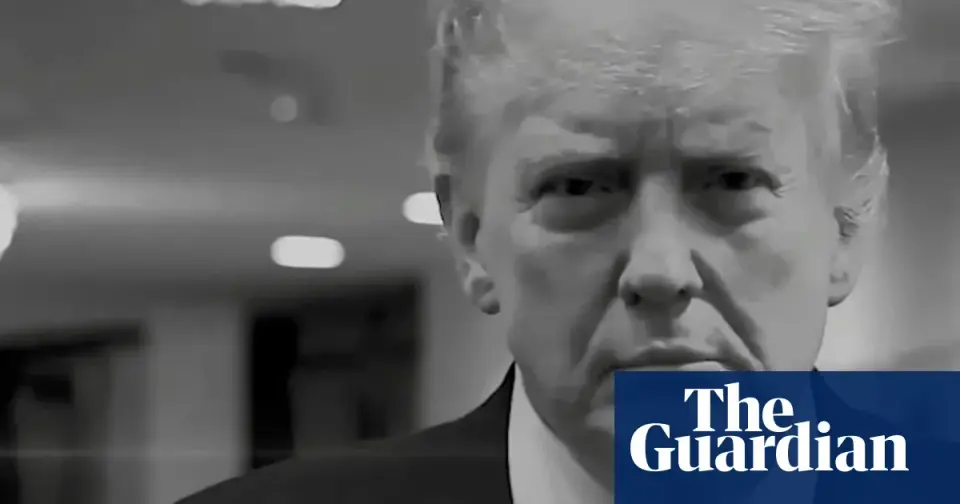
President Trump announced that his super PAC, MAGA Inc., will fund future promotional television ads previously paid for by federal taxpayers. This decision follows intense bipartisan criticism and legal concerns over the use of public funds for what critics call political propaganda. While the White House confirmed the shift in funding for new spots, Trump refused to commit to reimbursing the government for the approximately $9.7 million already spent on prior airings.
Key points
- Trump stated on Truth Social that he would pay for the ads using funds from MAGA Inc., his super PAC, which holds over $400 million in cash.
- The White House clarified that MAGA Inc. will cover costs for future ads but did not agree to reimburse the government for the roughly $9.7 million already spent on previous spots.
- Critics, including Democrats and some Republicans, argued the ads violated federal laws prohibiting the use of appropriated funds for political propaganda or partisan activities.
- The ads, which featured clips of Trump and praised his policies, were funded from a $20 million allocation shifted from Customs and Border Protection to a commemorative events budget category.
- Legal experts and lawmakers, such as Senator Adam Schiff and Representative Jamie Raskin, called for investigations into the legality of the spending and demanded proof that taxpayer funds are no longer being used.
Background
This development follows earlier reports that White House aide Natalie Harp steered a $20 million taxpayer-funded ad campaign, which included spots like 'God Made Trump.' The controversy escalated as the ads aired in the weeks leading up to the November midterm elections, with critics arguing they were designed to boost Republican candidates. The administration had previously defended the ads as standard public service announcements used by past administrations to explain policy and promote national pride.
How outlets are covering it
The Guardian and NBC News emphasized the bipartisan nature of the criticism, noting that even some Republicans, like Senator Thom Tillis, condemned the ads as inappropriate. ABC News highlighted Trump's refusal to reimburse the government for past spending, quoting a White House official who said the president's announcement did not refer to reimbursement. CNBC focused on the financial details, noting that MAGA Inc. has $415.8 million in cash on hand and that the ads were funded from a $20 million allocation shifted from Customs and Border Protection. All sources agreed that the ads were controversial and that the shift to MAGA Inc. funding was a response to public and political backlash.
Why it matters
The decision to shift funding to MAGA Inc. raises questions about the legality of using federal funds for political messaging and the boundaries between public service announcements and campaign advertising. It also highlights the potential for super PACs to influence political messaging ahead of midterm elections, with implications for campaign finance laws and the role of government in political advertising.
What to watch
Lawmakers and watchdogs are likely to continue pressing for investigations into the legality of the initial spending and whether the ads violated federal propaganda laws. The White House and MAGA Inc. may face further scrutiny over how they will fund future ads and whether they will provide proof that taxpayer funds are no longer being used. The outcome of the November midterm elections may also be influenced by the political fallout from this controversy.
- Trump says Super Pac will pay for taxpayer-funded ads that sparked outcry The Guardian
- Facing Backlash, Trump Says His Super PAC Will Pay for Taxpayer-Funded Ads The New York Times
- After bipartisan criticism, Trump says taxpayers dollars will no longer be used for TV ads promoting him NBC News
- Trump says his super PAC will pay for controversial promotional ad campaign ABC News - Breaking News, Latest News and Videos
- Trump says MAGA Inc. PAC will pay for controversial TV ads that government funded CNBC
Want the full story? Read the original reporting
Read on The Guardian