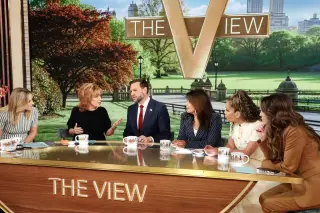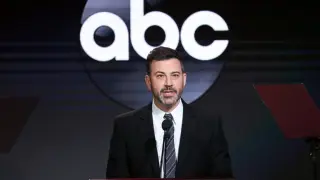
ABC has launched an on-air campaign asking viewers to comment on the FCC’s investigations into The View and ABC’s local stations over equal-time and diversity practices, as FCC Chair Brendan Carr signals potential further actions.
The FCC ordered ABC’s eight TV stations to file early license renewals amid allegations that DEI practices may violate nondiscrimination rules; ABC protested the move as an unlawful punishment of speech, while the agency warned broadcasters to meet public-interest obligations. Legal experts say ABC has a strong position and the early renewals don’t change expiration dates (2028–2031); critics argue the action could chill editorial independence and serve political aims.
ABC has submitted license-renewal applications for its eight ABC-owned stations to the FCC, but says it is doing so under protest after the agency ordered an accelerated renewal review tied to an ongoing DEI investigation; ABC contends the move is unlawful, arbitrary and unconstitutional and violates the First Amendment by pressuring speech, while the FCC says the action is part of its regulatory review. The affected stations are WABC-TV (New York), KABC-TV (Los Angeles), WLS-TV (Chicago), WPVI-TV (Philadelphia), KTRK-TV (Houston), KGO-TV (San Francisco), WTVD-TV (Raleigh-Durham) and KFSN-TV (Fresno). The network also cites concerns about the FCC’s use of the “call-up” provision and notes support from FCC Commissioner Anna Gomez for Disney/ABC’s position in this dispute.
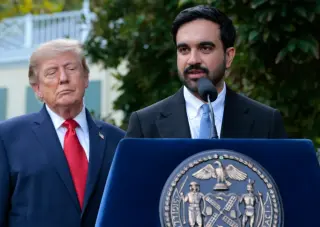
The FCC ordered a review of Disney’s ABC broadcast licenses after President Trump and First Lady Melania criticized Jimmy Kimmel’s jokes ahead of the White House Correspondents’ Dinner, with FCC Chair Brendan Carr saying the probe concerns Disney’s diversity practices; Disney plans to contest the order.
Donald Trump has escalated his assault on the press, suggesting news organizations could be charged with treason and pressing regulators to punish outlets that don’t align with his line. Allies call for more patriotic coverage as concerns grow about licensing threats, self-censorship, and the erosion of independent journalism amid his Iran war, with constitutional protections and press rights at stake and some outlets resisting through court challenges.
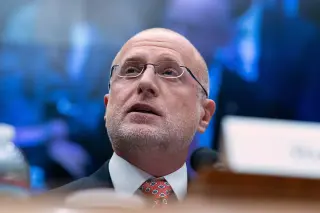
FCC Chair Brendan Carr threatened to revoke broadcast licenses over coverage of the war with Iran, accusing outlets of bias and distortions. Critics say the move would undermine press freedom and amount to government censorship during wartime, while supporters frame it as protecting the public interest; the licensing process is legally complex and contentious, drawing swift condemnation from Democrats and free-speech groups.
The Ellison father–son duo oversee a sprawling media portfolio (CBS News, Paramount Pictures, TikTok stake) but confront a harsh reality: high leverage, political and editorial controversy, and a maturing streaming landscape as Paramount presses a bid for Warner Bros. Discovery, all amid regulatory and market headwinds.
The article discusses the escalating conflict between local TV station owners and national networks over programming and regulation, highlighted by the brief suspension of Jimmy Kimmel's show due to preemptions by Nexstar and Sinclair, amid broader efforts to push back against perceived overreach by Big Media and Tech, with the FCC considering deregulation and ownership rule changes.
FCC chair is scrutinizing whether shows like 'The View' still qualify as bona fide news programs exempt from equal opportunity rules, amid recent controversies involving ABC and late-night shows like Jimmy Kimmel, raising questions about media classification and regulation.
FCC Chair Brendan Carr threatened to take action against ABC affiliates and possibly suspend Jimmy Kimmel's show after his comments linking a suspected shooter to MAGA Republicans, criticizing Kimmel's conduct as potentially violating public interest standards and hinting at regulatory consequences.
David Ellison's $8bn acquisition of Paramount, approved by the FCC under Trump, has embroiled him in political controversy, with concerns over media control, censorship, and potential interference in journalism, amid broader debates about media influence and regulation in the US.
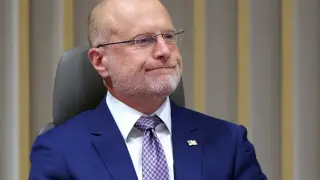
President-elect Donald Trump has selected Brendan Carr, a Republican FCC commissioner known for his pro-corporate and deregulatory stance, to lead the Federal Communications Commission. Carr, who has been vocal about dismantling what he calls a 'censorship cartel' involving major tech companies, is expected to pursue a deregulatory agenda that may include relaxing media ownership rules. Trump's choice reflects his desire to bring the FCC under closer White House control and use it to challenge media outlets critical of him.
The U.K. government has moved to block foreign state ownership of newspapers and newsmagazines, dealing a blow to former CNN chief Jeff Zucker's bid for The Telegraph and The Spectator Magazine, which relied heavily on financing from Emirati backers. The proposed legislation aims to prevent foreign influence in the British media, particularly concerning the Conservative Party's interests. RedBird IMI, Zucker's media venture company, may attempt to salvage the bid by finding new investors and reducing the Emiratis' majority stake to comply with the government's rules.
The Labour party has decided not to pursue press reforms following Prince Harry's successful phone-hacking case against the Daily Mirror. Labour leader Keir Starmer will not revive the second stage of the Leveson inquiry into press standards and will not oppose the Conservative government's plans to weaken press regulation. This decision has sparked controversy within the party, with some supporters calling for clarity on Labour's stance. It is believed that Starmer is avoiding angering big media companies in the run-up to a general election. Labour had previously supported reviving the Leveson process but has now abandoned those plans.
The coverage of Prince Harry's phone hacking case by the British press reflects a failure to address the crisis within the industry. Most newspapers either downplayed the story or cast doubt on Harry's credibility, rather than acknowledging the illegal and unethical practices exposed. This approach mirrors how the press initially handled the scandal, shifting blame onto individuals rather than addressing systemic issues. With ongoing hacking litigation involving over 100 claimants, the reputation of the press is at risk. The article argues that the industry needs to take responsibility, admit past wrongdoing, and work towards rebuilding trust, rather than relying on self-regulation or dismissing the issue. Failure to do so may lead to the media's self-destruction.