
Trump Shifts to Virtual Rallies as Midterm Battles Intensify in South Carolina and Alaska
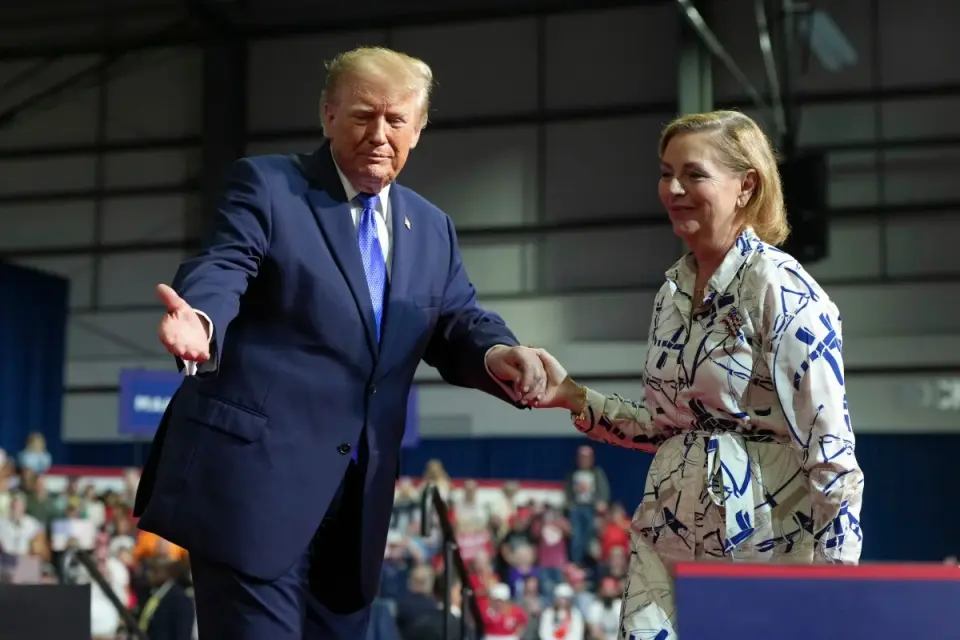
President Trump canceled in-person rallies in Kansas and Iowa to conduct over 20 telerallies, aiming to maximize reach in tight races. He remains focused on defending South Carolina, where incumbent Darline Graham faces a competitive challenge from Annie Andrews. Meanwhile, the Justice Department escalated its probe into Alaska’s Senate race following reports of a potential ballot confusion scheme involving a duplicate candidate name.
Key points
- Trump canceled weekend rallies in Kansas and Iowa, opting for a 72-hour sprint of telerallies in nearly 20 states to support candidates simultaneously.
- The president traveled to South Carolina for the second time in a month to support Darline Graham, whose Senate seat has become competitive despite historical Republican dominance.
- The Justice Department issued new grand jury subpoenas in Alaska after The New York Times reported that Democratic operatives may have recruited a candidate with the same name as incumbent Dan Sullivan.
- Republican officials expressed mixed reactions to the rally cancellations, with some noting that in-person events were time-consuming and did not significantly shift polling numbers.
- Democrats are optimistic about flipping seats in traditionally red states like Ohio and South Carolina, citing voter frustration with economic conditions and foreign policy.
Background
This strategic shift follows a month of intense campaigning where Trump held 25 rallies in October, falling short of his initial goal of 30. Recent coverage highlighted growing anxiety within the Republican Party regarding Darline Graham’s ability to connect with voters in South Carolina, a state that had not sent a Democrat to the Senate in nearly three decades. The Cook Political Report had recently downgraded the South Carolina race from 'likely Republican' to 'lean Republican,' signaling a tightening contest. Additionally, earlier reports noted that Trump’s travel schedule had become physically demanding, with concerns raised about his vocal health and the logistical burden of frequent in-person appearances.
How outlets are covering it
AP News emphasized the abrupt nature of the schedule change, noting that Trump had previously pledged to hold rally after rally to galvanize supporters. The outlet highlighted the physical toll on the president, citing his raspy voice and comments about vocal cords. CNN focused on the contrast with the 2018 midterms, where Trump held seven rallies in seven states in the final 72 hours, and noted that some GOP officials privately expressed relief at the cancellations, arguing that in-person events were too time-consuming for get-out-the-vote efforts. The Washington Post highlighted the strategic efficiency of telerallies, noting that the Kansas trip would have consumed a substantial amount of time in the final weekend. All three outlets agreed that the shift to virtual events was a tactical move to maximize reach, but they differed in their emphasis on the reasons behind the change, with AP and CNN focusing on health and logistics, while The Post focused on efficiency and resource allocation.
Why it matters
The shift to telerallies reflects a broader strategic adjustment by the Republican Party as it faces tight races in traditionally red states. The South Carolina race, in particular, serves as a bellwether for the GOP’s ability to defend its Senate majority in the 2026 midterms. The Alaska controversy, involving a potential ballot confusion scheme, highlights the increasing volatility and legal challenges in the final days of the campaign. These developments underscore the high stakes of the midterms, where control of Congress is on the line, and the need for both parties to adapt their strategies in response to shifting voter sentiment and unexpected legal issues.
What to watch
Trump is expected to hold a rally in Daytona Beach, Florida, on Friday, with no additional in-person events confirmed for the final day of the campaign. The Justice Department’s investigation into Alaska’s Senate race is likely to continue, with the DOJ seeking to block the certification of the election if the Republican incumbent loses. In South Carolina, both campaigns are expected to intensify their efforts in the final days, with Democrats pouring resources into digital advertising to highlight Graham’s lack of experience and Andrews’ platform. The outcome of these races will likely determine the balance of power in the Senate and shape the legislative agenda for the next two years.
- Trump cancels rallies in Kansas and Iowa, opting for telerallies to reach more voters, RNC says AP News
- Midterms live updates: Trump scraps another red-state rally as he shifts strategy ahead of midterms CNN
- Trump Cancels Rallies in Kansas and Iowa, Where Polls Show Tight Races The New York Times
- President Trump’s rally in Salina is canceled KSN-TV
- Trump cancels Kansas rally before midterm elections to hold virtual events The Washington Post
Want the full story? Read the original reporting
Read on AP News