
Trump voids new Russia sanctions to cut fuel costs, drawing bipartisan backlash
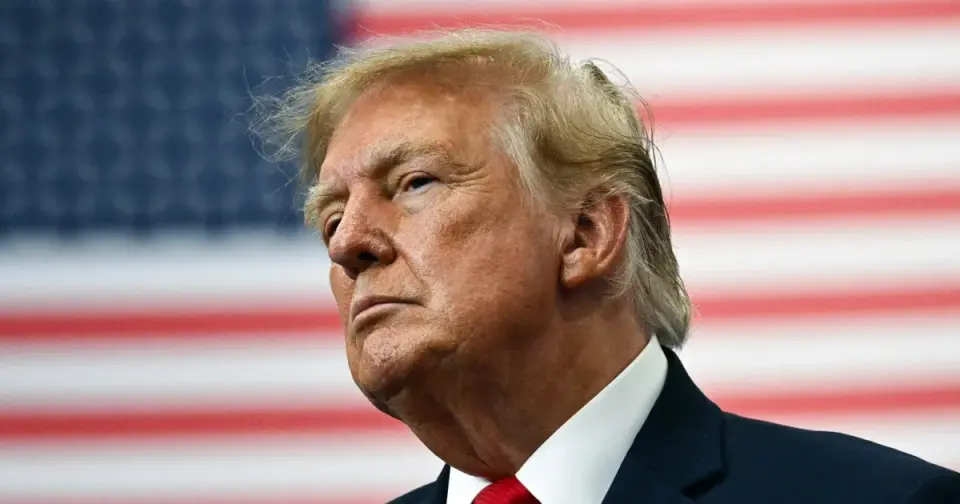
President Donald Trump issued an executive order on October 16, 2026, waiving the Lindsey O. Graham Sanctioning Russia and Iran Act, which he had signed into law just one month prior. The move suspends potential tariffs of up to 100% on major buyers of Russian oil and gas, including China and India, as well as sanctions against Russian officials and financial institutions. Trump justified the waiver by citing 'national interests,' linking it to a recent deal to release hundreds of thousands of tons of Russian diesel onto the global market to lower soaring fuel prices. The decision has triggered immediate condemnation from both Democratic and Republican lawmakers, who argue it undermines congressional efforts to pressure Moscow and prolongs the war in Ukraine. This reversal occurs less than three weeks before the midterm elections, amid a 70% spike in diesel prices since the start of the Iran war in February.
Key points
- Trump signed the Lindsey O. Graham Sanctioning Russia and Iran Act in September 2026 but waived its provisions via executive order on October 16, 2026.
- The waiver suspends tariffs on major importers of Russian oil and gas, potentially affecting countries like China and India, as well as sanctions on Russian officials and financial institutions.
- The decision follows a deal with Russian President Vladimir Putin to release Russian diesel onto the global market to address a 70% increase in diesel prices since the Iran war began in February.
- Critics in Congress, including Sen. Richard Blumenthal and Rep. Don Bacon, condemned the move as a betrayal of national security and a prolongation of the war in Ukraine.
- The waiver was issued less than three weeks before the midterm elections, with cost of living and energy prices remaining top issues for voters.
Background
The Lindsey O. Graham Sanctioning Russia and Iran Act was passed with bipartisan support in Congress, though many Democrats opposed it due to new tariff powers granted to the president. The legislation was intended to target Russia's revenue streams from its war against Ukraine. Trump had signed the bill into law in September 2026, but reversed course in October to address domestic fuel costs. The timing of the waiver, just before the midterm elections, has intensified political debates over energy policy and foreign relations.
How outlets are covering it
NBC News emphasizes the swift condemnation from Congress, highlighting statements from Sen. Richard Blumenthal and Rep. Don Bacon, and notes the potential impact on countries like China and India. CNN focuses on the worsening ties with Ukraine and the broader implications for U.S. foreign policy. Both outlets agree on the core facts of the waiver and the diesel deal but differ in emphasis: NBC highlights the domestic political fallout and congressional reactions, while CNN stresses the international consequences and the erosion of U.S. support for Ukraine. Neither outlet disputes the timeline or the justification cited by Trump, but they frame the consequences differently, with NBC focusing on domestic politics and CNN on international relations.
Why it matters
The waiver of the Lindsey O. Graham Sanctioning Russia and Iran Act represents a significant shift in U.S. policy toward Russia, potentially providing Moscow with a financial lifeline during its war against Ukraine. The decision has immediate implications for global energy markets, as the release of Russian diesel aims to lower fuel prices in the U.S. ahead of the midterm elections. The bipartisan backlash in Congress signals deep divisions over foreign policy and energy strategy, while the move may strain U.S. alliances with Ukraine and European partners. The timing, just before the elections, underscores the political stakes of energy costs and foreign policy decisions in the upcoming vote.
What to watch
Congress is expected to debate the executive order and potentially seek to override the waiver or impose new restrictions. The White House has submitted an unclassified report to Congress explaining the basis for the waiver, as required by the legislation. European leaders have moved to strengthen their own sanctions against Moscow, potentially leading to a divergence in U.S. and European policies. The midterm elections in November will likely feature energy costs and foreign policy as key issues, with the waiver potentially influencing voter sentiment. Further developments may include additional congressional hearings or legal challenges to the executive order.
- Trump waives new Russia sanctions passed by Congress, citing ‘national interests’ NBC News
- Trump Signs Order Exempting Russia From Sanctions Law The New York Times
- World in Brief: Trump waives sanctions on Russia; a lousy week for tech stocks The Economist
- Trump waives many Russian sanctions, tariffs under new law backed by Lindsey Graham Fox Business
- Trump waives Russia-related sanctions before they even kick in as Ukraine ties worsen CNN
Want the full story? Read the original reporting
Read on NBC News