
Trump Waives New Russia Sanctions to Curb Fuel Costs, Deepening Rift with Ukraine
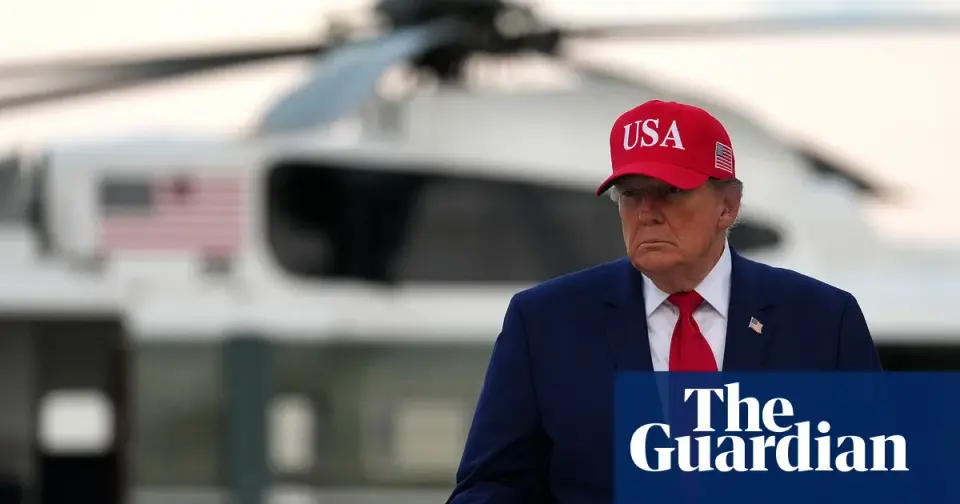
President Donald Trump issued an executive order on October 16, 2026, waiving the Lindsey O. Graham Sanctioning Russia and Iran Act, which he had signed into law in September. The waiver suspends tariffs of up to 100% on major importers of Russian oil and gas, as well as sanctions against Russian officials and financial institutions. Trump cited 'national interests' as the justification, a decision that follows his recent agreement to import Russian diesel to lower domestic energy prices ahead of the November midterm elections. The move has triggered a bipartisan backlash in Congress and deepened tensions with Ukraine, while European leaders have moved to strengthen their own sanctions against Moscow.
Key points
- Trump signed an executive order on October 16, 2026, waiving the sanctions provisions of the Lindsey O. Graham Sanctioning Russia and Iran Act, which was set to take effect on October 18.
- The waiver suspends tariffs of up to 100% on the top five importers of Russian oil and gas, as well as sanctions against Russian officials, banks, and a 'shadow fleet' of tankers.
- The decision follows Trump's announcement last week that the US would purchase over 300,000 metric tons of Russian diesel, with further deliveries planned for November and beyond, to lower global energy prices.
- A bipartisan group of senators, including six Republicans, urged Trump to rescind the diesel deal and enforce the sanctions, arguing that the waiver funds Russia's war against Ukraine.
- Ukrainian President Volodymyr Zelenskyy criticized the diesel deal, stating it would allow cash to flow back into Russia, and accused the US of withholding intelligence on incoming Russian missile strikes.
- European leaders are preparing a 22nd package of sanctions against Russia, contrasting with the US administration's move to ease restrictions on Moscow.
Background
The Lindsey O. Graham Sanctioning Russia and Iran Act was passed by Congress in September 2026 with rare bipartisan support, following the death of Senator Lindsey Graham in July. The legislation aimed to clamp down on financial resources fueling Russia's war against Ukraine. Prior to the waiver, Trump had already faced criticism for agreeing to import Russian diesel, a move that upended years of US and Western pressure on the Kremlin. The waiver comes amid deepening tensions between the US and Ukraine, including disputes over intelligence sharing and restrictions on the Starlink satellite internet network.
How outlets are covering it
The Guardian and The New York Times both report that Trump's waiver was framed as being in the 'national interest,' but note that the executive order did not provide a detailed rationale. The New York Times highlights that the waiver may not fully reintegrate Russia into the Western financial system, as the underlying sanctions architecture remains in place. CNN emphasizes the worsening relationship between the US and Ukraine, noting that Zelenskyy has accused the US of withholding intelligence and restricting Starlink services. All three outlets report on the bipartisan backlash in Congress, with Democrats like Elizabeth Warren and Don Beyer calling the waiver a 'surrender to Putin,' while Republicans like Darline Graham, Lindsey Graham's sister, acknowledged that the implementation of the sanctions was up to the president. The outlets also note that European leaders are moving to strengthen their own sanctions against Russia, in contrast to the US administration's easing of restrictions.
Why it matters
The waiver of the Lindsey O. Graham Sanctioning Russia and Iran Act marks a significant shift in US policy toward Russia, potentially undermining efforts to pressure Moscow to end its war against Ukraine. The decision could have implications for global energy prices and the US economy, as well as for the relationship between the US and its allies in Europe and Ukraine. The move also raises questions about the balance of power between the executive and legislative branches, as Trump has used his authority to waive sanctions that Congress passed with bipartisan support. The waiver may also affect the outcome of the November midterm elections, as Trump has cited the need to lower fuel prices as a key reason for the decision.
What to watch
The Trump administration has stated that it will 'monitor' the purchases of Russian oil by other countries and that its advisers will recommend whether to take further action on tariffs. It is not clear when or if the waiver will be lifted. European leaders are expected to announce a new package of sanctions against Russia in the coming weeks. The US and Ukraine are likely to continue to clash over issues such as intelligence sharing and the use of Starlink services. The November midterm elections will be a key test of the political impact of the waiver and the broader US-Russia relationship.
- Trump puts new Russia sanctions passed by Congress on hold amid deepening row with Ukraine The Guardian
- Trump Signs Order Exempting Russia From Sanctions Law The New York Times
- Trump waives many Russian sanctions, tariffs under new law backed by Lindsey Graham Fox Business
- Trump waives Russia-related sanctions before they even kick in as Ukraine ties worsen CNN
- Trump waives new Russia sanctions passed by Congress, citing ‘national interests’ NBC News
Want the full story? Read the original reporting
Read on The Guardian