
Trump’s Midterm Rally Strategy Faces Backlash from Low Approval and Shrinking Crowds
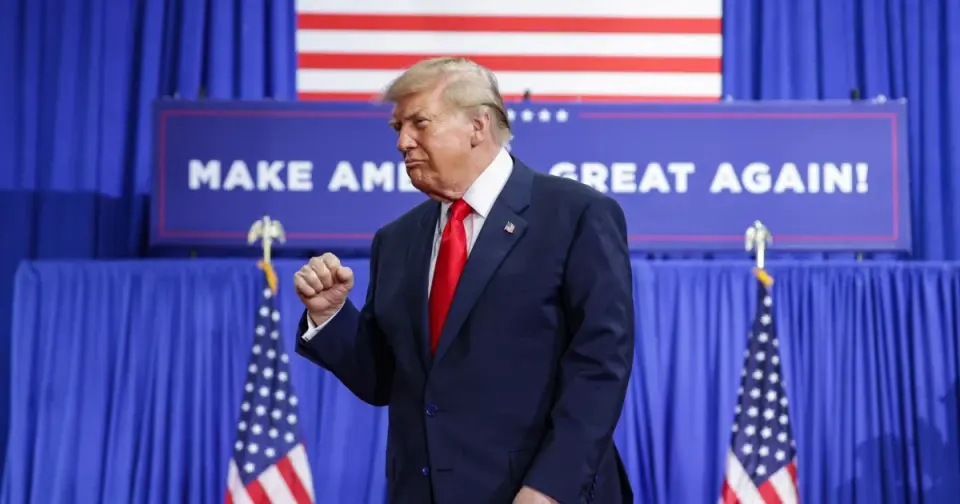
President Trump is intensifying his rally schedule to mobilize Republican voters ahead of the November midterms, but faces challenges from low approval ratings and smaller crowds. While he targets key swing states like Ohio and Alaska, some GOP candidates are distancing themselves from his brand due to economic dissatisfaction among voters.
Key points
- Trump has held eight rallies in October, focusing on states with tight races such as Ohio and Alaska.
- His approval ratings have hit record lows, with disapproval exceeding 60% nationally, driven by economic concerns.
- Some Republican candidates, like Florida’s Byron Donalds, have removed Trump references from their campaigns to mitigate political damage.
- Democrats hold a significant advantage in both the House and Senate, with key Senate races in Texas, Ohio, and Alaska trending toward them.
- The White House is urged to focus on economic messaging, as voters prioritize personal financial struggles over macroeconomic data.
Background
In the weeks leading up to the 2026 midterms, Trump’s approval ratings have plummeted to historic lows, with significant drops among Hispanic voters and independents. Democrats have capitalized on voter dissatisfaction with rising prices, holding a strong edge in both chambers of Congress. Meanwhile, some GOP candidates have distanced themselves from Trump’s brand to avoid the negative impact of his declining popularity.
How outlets are covering it
NBC News highlights Trump’s efforts to rally his base despite smaller crowds and low approval ratings, emphasizing the strategic calculations behind his travel itinerary. The Washington Post notes that while Trump can mobilize his most devoted supporters, his low approval ratings limit his effectiveness in certain areas. Yahoo focuses on his campaigns in Ohio and Alaska, where Republicans face tight races. The Washington Times argues that the White House needs to focus on economic messaging, as voters prioritize personal financial struggles over macroeconomic data. Overall, there is a consensus that Trump’s low approval ratings are a significant challenge for the GOP in the midterms, with some candidates distancing themselves from his brand to mitigate political damage.
Why it matters
Trump’s midterm strategy is crucial for the GOP’s chances of retaining power in Congress. His low approval ratings and the economic dissatisfaction among voters pose significant risks to Republican candidates, especially in key swing states. The ability to mobilize the base and address economic concerns will determine the outcome of the midterms and the future of the Republican Party.
What to watch
The next few weeks will be critical for Trump’s midterm strategy, as he continues to rally his base in key states. The impact of his low approval ratings and the economic messaging of the White House will be closely watched. Additionally, the actions of GOP candidates who have distanced themselves from Trump’s brand will be monitored to see if they can mitigate the negative impact of his declining popularity.
- Facing smaller crowds and low approval ratings, Trump tries to rally the base for the midterms NBC News
- Trump’s midterm road show reveals GOP troubles — and his own priorities The Washington Post
- Trump’s Hit-the-Road Strategy Aims to Stave Off Republican Midterm Losses WSJ
- Trump to campaign in Ohio, Alaska with Republicans facing tight races Yahoo
- White House needs tough love on midterm messaging Washington Times
Want the full story? Read the original reporting
Read on NBC News