
Oil Prices Rebound as Trump’s Energy Ceasefire Faces Immediate Russian Strikes
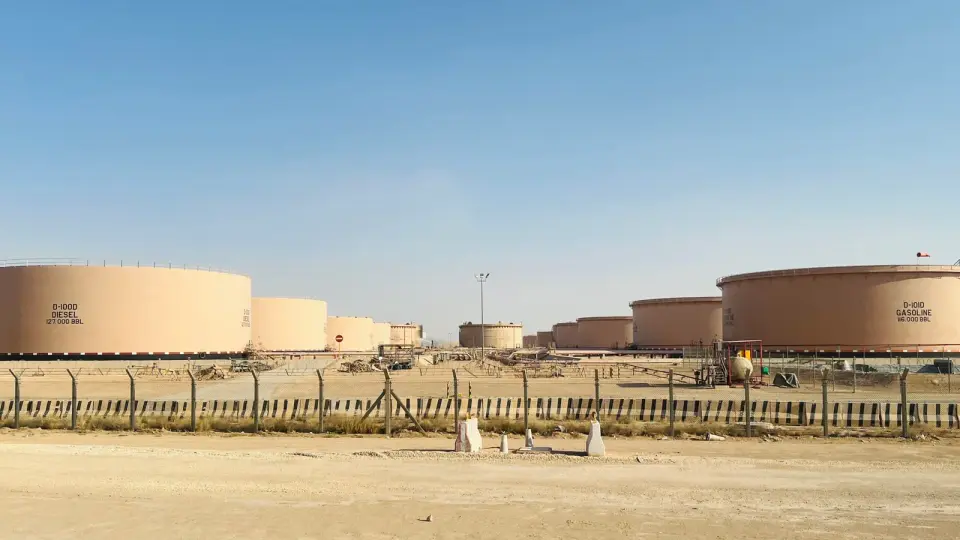
Brent and WTI crude prices rose on Monday after reversing initial losses, driven by concerns over Middle East instability and Hurricane Isaias. President Trump declared an 'energy ceasefire' between Russia and Ukraine, but Ukrainian President Zelenskyy reported that Russian strikes on power plants continued immediately after the announcement. European leaders criticized Trump’s diesel deal with Moscow, while Iran offered diplomatic assistance regarding Saudi-Yemen tensions.
Key points
- Brent crude rose 0.69% to $105.44 and WTI rose 0.54% to $92.35, reversing earlier 1.5% drops.
- Trump declared an immediate 'energy ceasefire' between Russia and Ukraine via social media on Sunday.
- Zelenskyy stated Russia struck a Kharkiv power plant immediately after the ceasefire declaration, calling the announcement 'news to me.'
- Trump announced a deal for Moscow to supply over 4 million tons of diesel to the global market.
- Iran’s foreign minister offered assistance to facilitate dialogue between Saudi Arabia and Yemen’s Houthis.
- Hurricane Isaias reached Category 3 status, forcing US Gulf Coast producers to curtail offshore output.
Background
Oil markets have been volatile since September due to Middle East conflicts and supply disruptions. Brent hovered near $102 in mid-September after Saudi crude flows resumed, but prices surged above $107 in early September amid Hormuz tensions. The current spike follows a period where Brent remained above $100 despite weekly pauses, driven by geopolitical risks and Red Sea disruptions.
How outlets are covering it
CNBC highlights the price rebound driven by supply risks from Hurricane Isaias and Middle East tensions, noting Iran’s diplomatic outreach. The Guardian emphasizes the breakdown of the ceasefire, citing Zelenskyy’s report of immediate Russian strikes on Kharkiv. European leaders, including Poland’s PM Donald Tusk and EU foreign policy chief Kaja Kallas, criticized Trump’s diesel deal and ceasefire, arguing that sanctions and pressure, not concessions, are needed to end the war. Baltic states also expressed skepticism about the deal’s impact on oil prices or transatlantic unity.
Why it matters
The failure of the energy ceasefire to halt Russian strikes undermines market confidence in supply stability. Continued Middle East tensions and hurricane-related supply cuts may keep oil prices elevated, impacting global inflation and energy costs. European skepticism of US-Russia deals could strain transatlantic security cooperation and influence future sanctions policies.
What to watch
Markets will monitor whether Russia honors the energy ceasefire or continues strikes on Ukrainian infrastructure. The EU is set to finalize sanctions against 1,600 Russian entities. Investors will watch for updates on Hurricane Isaias’s impact on US Gulf output and any further diplomatic moves between Iran, Saudi Arabia, and the Houthis.
- Oil falls after Trump declares 'energy ceasefire' between Russia and Ukraine CNBC
- Ukraine says Russia violated Trump’s ‘energy ceasefire’ – Europe live The Guardian
- Ukraine's Zelenskyy Says Strikes to Continue if Putin Rejects Energy Truce Bloomberg.com
- Backlash grows against Russia diesel deal as Trump claims Ukraine energy ceasefire The Hill
- Oil Prices Fall as Traders Weigh Russian Diesel Deal, Middle East Supply Risks WSJ
Want the full story? Read the original reporting
Read on CNBC