
Vance Links 2028 Presidential Ambitions to Midterm Election Outcomes
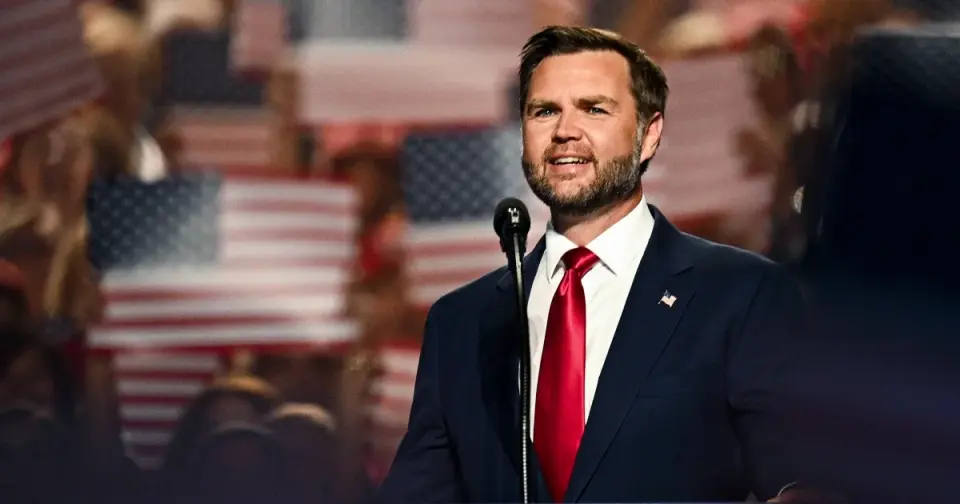
Vice President JD Vance stated that the results of the November midterm elections will be a key factor in his decision to run for president in 2028. He acknowledged a difficult political climate for Republicans but expressed cautious optimism. Vance also addressed concerns regarding AI and data centers, distinguishing his nuanced approach from President Trump's more aggressive stance.
Key points
- Vance admitted Republicans face an 'uphill climb' in the midterms but noted signs of cautious optimism among voters.
- He confirmed that midterm results will provide new information for his 2028 presidential decision, though he remains focused on his current role.
- Vance dismissed Ted Cruz's recent comments as a de facto presidential campaign, noting Cruz is actively fundraising and campaigning in key states.
- Vance adopted a middle-ground stance on data centers, acknowledging local concerns about power prices while supporting benefits for communities.
- He compared AI panic to the early stages of the pandemic, arguing for accountability for developers rather than broad regulatory shields.
- Vance highlighted high gas prices and affordability issues as central voter concerns during his campaign stops in Florida.
Background
This follows Vance's earlier signals at the September GOP convention in Dallas, where he framed the midterms as a referendum on America's future and hinted at a 2028 bid. Recent delegate discussions have shown a fragmented field, with some weighing Vance against Marco Rubio or Ted Cruz, contingent on Trump's endorsement. The current midterm climate is marked by voter dissatisfaction with gas prices, the Iran conflict, and AI infrastructure, complicating the GOP's message.
Why it matters
The midterm results will serve as a critical barometer for the political viability of the current administration's policies and the strength of potential 2028 candidates. Vance's willingness to tie his future candidacy to these results suggests a strategic calculation regarding the party's electoral health. His differing stance on AI and data centers compared to the President may signal potential internal party divisions or a shift in policy messaging aimed at moderating voter concerns.
What to watch
Vance and other GOP leaders will continue campaigning in the coming weeks, with Cruz expected to campaign in Alaska, Texas, and North Carolina. The focus will remain on addressing affordability and AI concerns until the November 3 elections, after which Vance will likely reassess his 2028 plans based on the electoral data.
Want the full story? Read the original reporting
Read on NBC News